
Zelensky sacks Ukraine’s top army commander after days of protests
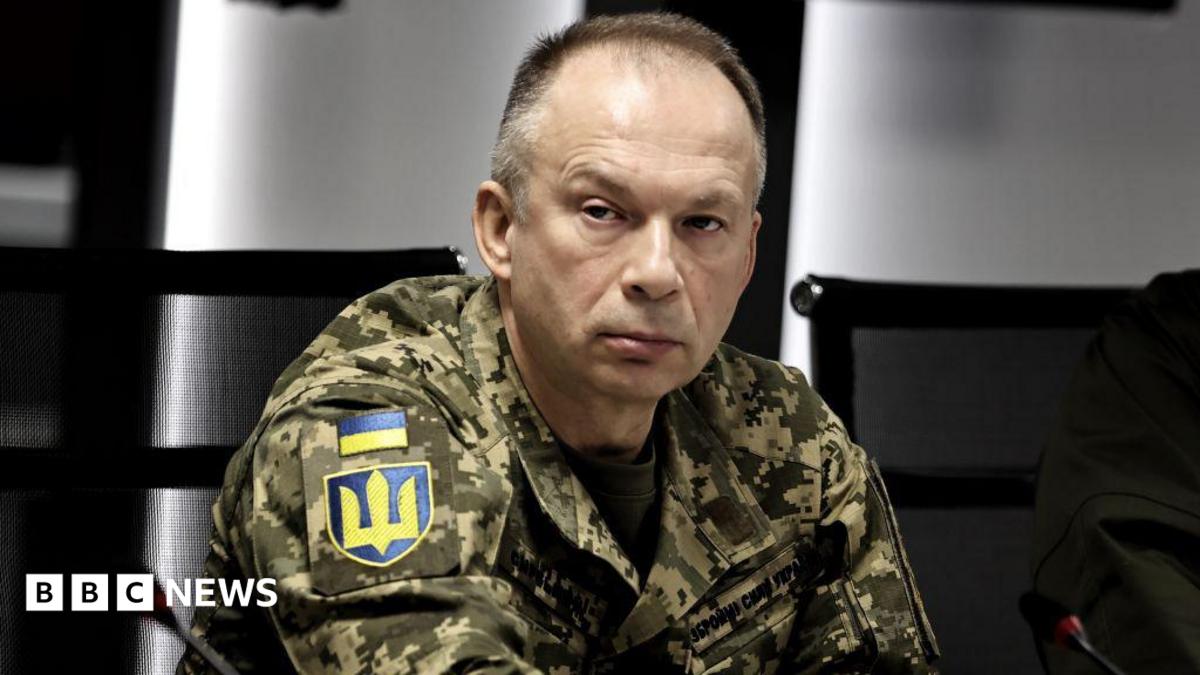
Kyiv, Ukraine — In a dramatic turn of events, President Volodymyr Zelensky has dismissed Ukraine’s top army commander, Oleksandr Syrskyi, a move that follows just days after the controversial removal of popular Defence Minister Mykhailo Fedorov. This series of high-profile departures signals a profound **Ukraine army shakeup**, reflecting internal pressures amidst the ongoing conflict.
Syrskyi’s dismissal comes after widespread street protests sparked by Fedorov’s exit. Whispers of a deepening rift between the two prominent figures—Fedorov, lauded for his modernization efforts and anti-corruption drive, and Syrskyi, often perceived as a traditional, ‘Soviet-school’ commander hesitant to embrace radical change—were quickly substantiated. Fedorov, at 35, had injected vigor into the ministry, transforming the armed forces; Syrskyi, 60, by contrast, faced scrutiny for his perceived reluctance to innovate.
In a farewell address via Telegram, Syrskyi defended his tenure. “An army that was fighting a difficult defensive campaign two years ago is now on the offensive,” he declared. “I am handing over to my successor an army that is not only holding the line but is advancing… I sincerely hope this offensive will continue.”
His replacement is Mykhailo Drapatyi, 43, a highly regarded, battle-hardened general. Drapatyi expressed his commitment on Facebook: “I will work responsibly, with full focus, and with respect for the people who are defending our country today.” He also extended gratitude to Syrskyi for his work in strengthening the Ukrainian army, adding a personal note, “I grew up in it.”
President Zelensky, in a social media video, acknowledged Syrskyi’s critical role in defending Kyiv during the initial invasion. Intriguingly, Zelensky also revealed a meeting with Fedorov earlier that day, offering him a “worthy position in power,” though whether Fedorov accepted remains unconfirmed. Fedorov had been replaced as defence minister by Yevhenii Khmara, a former top official from Ukraine’s Security Service (SBU).
Leadership Changes Spark Ukraine Army Shakeup
The protests over Fedorov’s initial ousting had intensified, putting immense pressure on Zelensky to take further action. His decision to replace Syrskyi with Drapatyi, a younger and more innovative commander reportedly close to Fedorov, appears to be a direct response to public sentiment. Fedorov himself celebrated Drapatyi’s appointment as a “new hope in the fight of free people for freedom and justice,” calling it “the voice of change that could not be ignored.” He also confirmed speaking with Syrskyi, thanking him for the defense of Kyiv and other “historic battles,” but stressed the urgent need to “move even faster and write new chapters correcting all previous mistakes.”
Fedorov’s brief but impactful tenure as defence minister saw him harness data to refine front-line performance. A former minister of digital transformation, he mobilized a volunteer “IT Army of Ukraine” for cyber-attacks and orchestrated the successful “Army of Drones” fundraising campaign, even incorporating elements of ‘gamification’ into the war effort. His innovative approach to modernizing defense forces is widely praised.
Meanwhile, acting Defence Minister Khmara remains in his role. President Zelensky has tasked both Khmara and Drapatyi with forging a new comprehensive defense strategy, tackling crucial issues like military corps reform, weapons supply, and drone integration, further solidifying this period of significant **Ukraine army shakeup**.
Earlier, Syrskyi had penned an op-ed for the Militarny website, acknowledging his professional relationship with Fedorov: “I perceived our relationship as a working one… If I offended anyone, Mykhailo Albertovych [Fedorov], I’m sorry.” He emphasized the complex realities of military contracts, procurement, and mobilization, stating, “Decisions on which people’s lives depend are not made with slogans. Real work, not the public drama surrounding it, wins the war.”
While Zelensky’s move may appease some, many protesters still clamor for Fedorov’s return to a position of substantial authority where he can continue spearheading innovation in Ukraine’s ongoing struggle. Should he accept such a role, Zelensky might mitigate the immediate political fallout, yet the sentiment among some that the initial choices were erroneous may prove difficult to erase.