A palpable unease has gripped global markets as **Oil Prices** breached the formidable $100 per barrel mark for the first time since last May. This alarming resurgence is directly attributed to the escalating geopolitical tensions in the Middle East, stoking profound anxieties over the stability of worldwide energy supplies.
Brent crude, the international benchmark, witnessed a staggering more than 6% surge on Thursday, capping several days of relentless increases. The impetus? A significant intensification of US military operations against Iran, coupled with audacious attacks on oil tankers in the Red Sea by Houthi militia in Yemen. These brazen assaults have critically jeopardized a vital export corridor, circumventing the Strait of Hormuz, that Saudi Arabia relies upon.
The sudden spike in crude is a direct consequence of a collapsed ceasefire between the US and Iran. US Secretary of State Marco Rubio minced no words, stating unequivocally that Iranian leadership was “not ready to make a deal.” This diplomatic deadlock, tragically underscored by military action initiated by the US and Israel on February 28, has sent ripples across the energy sector. Consequently, gas prices have followed suit, with the benchmark UK gas price rocketing to approximately 150p per therm, a stark contrast to the 98p recorded at June’s close.
The Tug-of-War: Oil Prices and Inflationary Pressures
This renewed instability poses an existential threat to the delicate balance of global economies. Inflation, previously showing signs of abatement in both the UK (down to 2.6% in June) and the US (at 3.5%), now stares down a renewed uphill battle. Elevated **oil prices** translate directly into more expensive petrol and diesel at the pump, impacting everyday drivers. But the insidious tendrils of increased transportation costs stretch further, stealthily driving up the prices of essential goods, from groceries to household necessities.
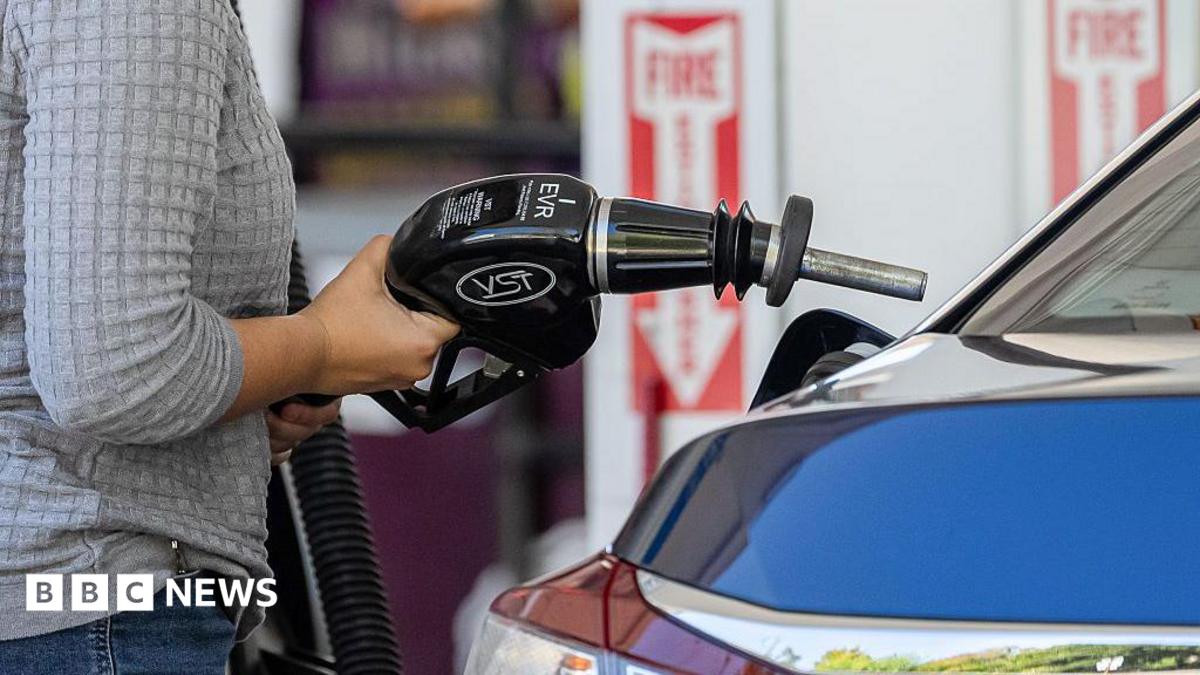
The impact is already being felt. UK petrol prices have climbed by 5p a litre since early July, now averaging nearly £1.56, while diesel stands at £1.72 per litre. Across the Atlantic, US gasoline prices have again surpassed $4 a gallon, up from $3.92 just a month prior. “More expensive fuel and energy can ripple through the wider economy, increasing costs for businesses and ultimately feeding through into the price of food and other goods,” warns Jonathan Raymond, an investment manager at Quilter Cheviot. He elaborated, “This creates another headache for central banks as they continue their battle against inflation.”
Indeed, central bankers find themselves between a rock and a hard place. The Bank of England has held its interest rates steady at 3.75% for four consecutive meetings, with economists like Paul Dales of Capital Economics predicting another hold. However, persistent energy price elevation could force policymakers to keep rates higher for longer, or even raise them further. This grim prospect looms large for mortgage holders and borrowers already navigating a challenging economic landscape.
In the US, newly-appointed Federal Reserve Chair Kevin Warsh declared to Congress his “no tolerance to persistently elevated inflation,” despite pressure from President Donald Trump for rate cuts. The Fed, under Warsh’s initial leadership, maintained interest rates between 3.5% and 3.75%. The commitment to “restoring price stability” appears paramount, even as the global economic recovery faces unforeseen headwinds. For further insights into central bank strategies, consider exploring the Bank of England’s monetary policy decisions.
About the Author