
Israeli forces tear gas journalists reporting Nablus shootout
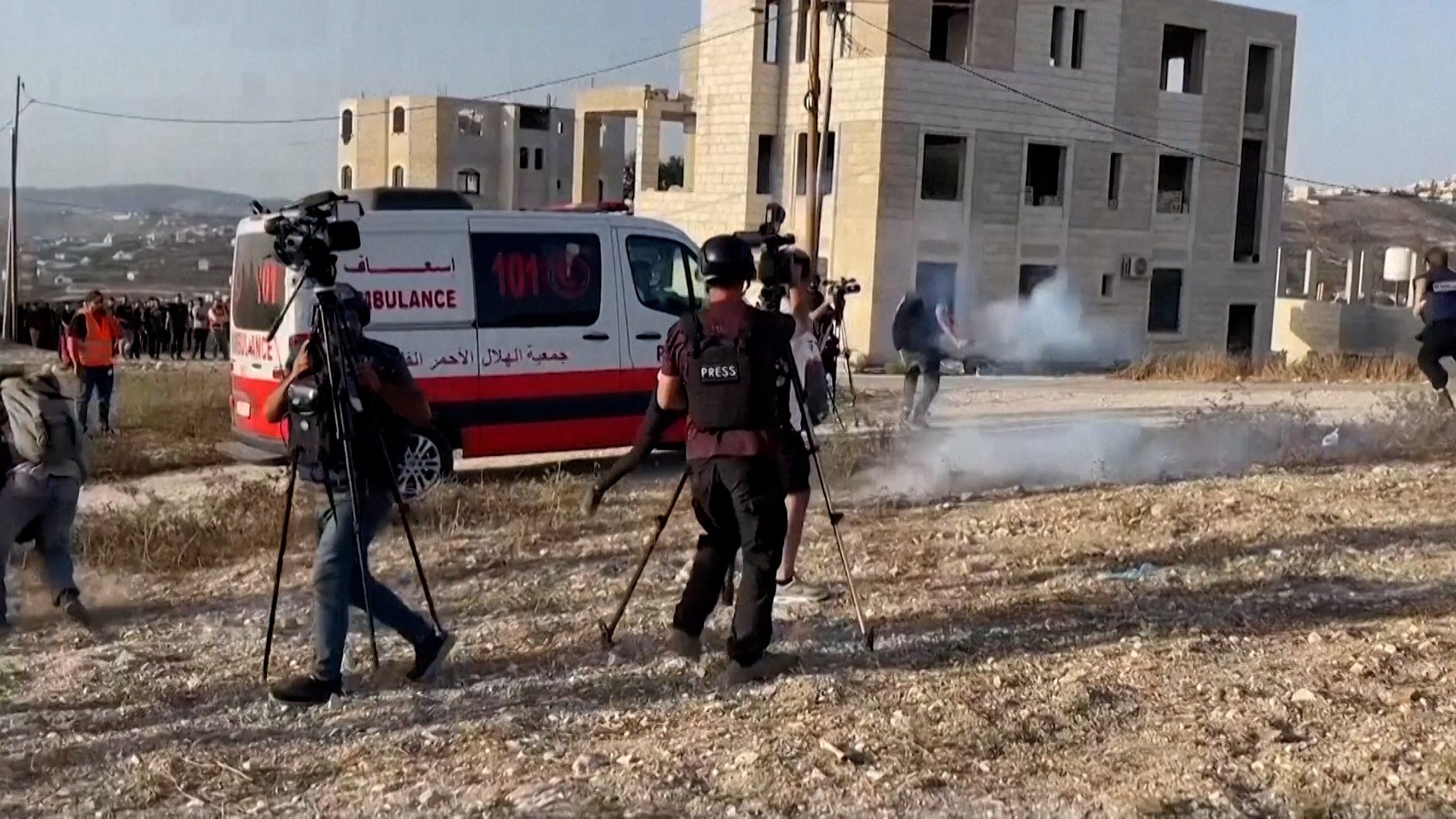
A tense calm shattered in Tal this week as Israeli forces deployed tear gas against journalists documenting the volatile aftermath of a deadly Nablus shootout. The incident occurred just one day after a fierce confrontation that claimed the lives of four Palestinians and two Israeli soldiers, intensifying an already fraught atmosphere in the region.
Reporters, diligently capturing the unfolding story, found themselves targeted by the fumes, a stark illustration of the perilous conditions under which news is often gathered in conflict zones. This aggressive dispersal of media professionals underscores significant concerns for press freedom and the ability of journalists to report on critical events without obstruction.
Escalating Tensions Following Nablus Shootout
The situation escalated further with reports from a local paramedic, who described palpable fear among residents. Many expressed grave concerns about potential further violence following a disturbing spree of settler attacks that saw homes and vehicles deliberately torched in the village. The grim events surrounding the Nablus shootout have left a profound mark on the community, amplifying a pervasive sense of insecurity.
Such incidents amplify the cycle of violence in the region, turning reporting on the Nablus shootout into a hazardous endeavor. As international press freedom advocates, like the Committee to Protect Journalists, frequently highlight, safeguarding the ability of media to cover these complex situations is paramount for global understanding.
Local inhabitants now grapple with a heavy pall of apprehension, uncertain of what tomorrow might bring amidst the continued clashes and retaliatory actions. The call for de-escalation echoes, but for now, the reality on the ground remains one of profound instability.