
Uganda begins emergency food handouts after 19 die from hunger
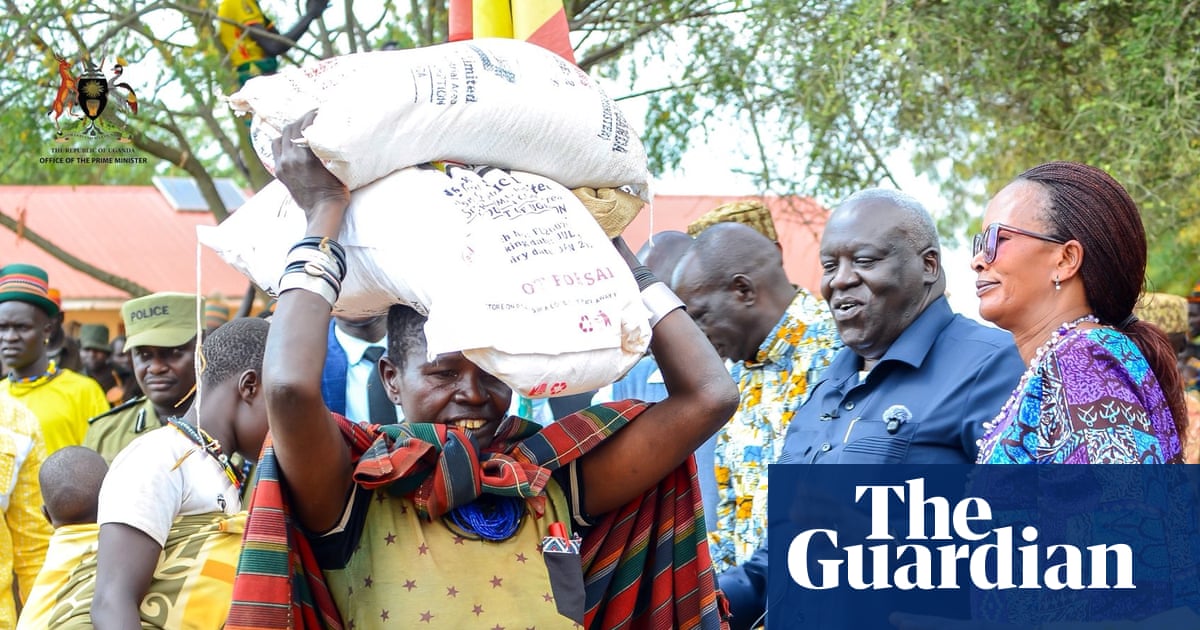
Uganda has initiated a critical Uganda emergency food relief operation in its eastern Karamoja region. This decisive government action follows reports of at least 19 deaths from hunger and a burgeoning crisis in an area ravaged by prolonged drought. The situation is dire for 1.5 million people now grappling with severe food shortages.
For months, the Karamoja region has been under siege from unforgiving dry spells. Crops, crucial for sustenance, have withered without the anticipated seasonal rains. The Famine Early Warning Systems Network (Fews Net), a renowned global food security network, recently confirmed the situation had plummeted into a full-blown crisis across this vulnerable region.
In a significant move, and amidst a notable void left by international aid cuts, the Ugandan government has allocated a substantial 45bn-shilling (£9m) emergency fund. This will facilitate the distribution of 9,400 tonnes of relief food over the coming two months. Sam Engola, the Minister for Disaster Preparedness and Refugees, personally spearheaded the initial aid distribution efforts at a primary school in Lodiko sub-county, Kaabong district, signaling the government’s commitment.
“The president does not want to hear of anyone in Karamoja dying of hunger,” Engola declared unequivocally. “I am here to supervise the distribution of this food to the end. I will ensure that everyone receives food. No one will be left behind.” His words underscore the gravity of the crisis and the state’s resolve.
The human toll is profound. Angelina Nakiru, a 21-year-old mother of two from Rupa, struggles daily. Her family’s crops failed completely after April’s inadequate rainfall—the start of the planting season. Now, she toils at a small-scale grinding mill, crushing rock for a pittance to buy maize and beans. “The work is dusty and exhausting,” Nakiru lamented, “but it is the only way I can earn money to feed the children. If I don’t, they will sleep hungry. Other days when I fail to get the meagre income from the mill, we go to bed on empty stomachs.” Her stark reality paints a harrowing picture of desperation.
Malnutrition Epidemic: Addressing Uganda Emergency Food Needs
Health facilities throughout Karamoja are overwhelmed, treating hundreds of children for severe malnutrition. A recent nutrition report highlighted that nearly half the population in Kaabong and Kotido districts are in a crisis situation. Experts pinpoint climate shocks, rampant deforestation, overgrazing, and persistent poverty as underlying drivers of the region’s chronic food insecurity.
While immediate Uganda emergency food aid offers a lifeline, the government is simultaneously charting a course for long-term resilience. The newly approved Karamoja regional development plan seeks to inoculate communities against future droughts. John Baptist Lokii, Minister for Karamoja, affirmed, “The government will provide drought-resistant, disease-resistant and early-maturing seeds ahead of the next planting season.”
Agnes Kirabo, Executive Director of Uganda’s Food Rights Alliance (FRA), observed a significant shift. Government leadership in food distribution is not merely policy but a necessity, she explained, given the dramatic changes in humanitarian aid. Major funding cuts, particularly from USAID, have compelled agencies like the World Food Programme (WFP) to drastically scale back operations. In Uganda, the WFP has ceased food assistance for 63% of the refugee population, impacting over a million individuals.
Kirabo champions this transition as a potential “positive shift towards nationally owned, sustainable development,” provided it underpins a durable national system. She emphasized that “emergency food distribution is a life-saving measure, not a permanent solution.” The FRA advocates for access to food as a fundamental human right, urging government investment in water infrastructure and climate resilience. Karamoja, she noted, possesses sufficient rainfall and water routes for self-sufficiency, requiring only political will for strategic investment.
Ultimately, the crisis in Karamoja transcends mere drought; it is fundamentally a governance challenge. The government’s proactive role in this emergency is commendable. However, it must be matched by the unwavering political will to implement systemic changes, thereby permanently shielding the people of Karamoja and wider Uganda from predictable, preventable hunger.