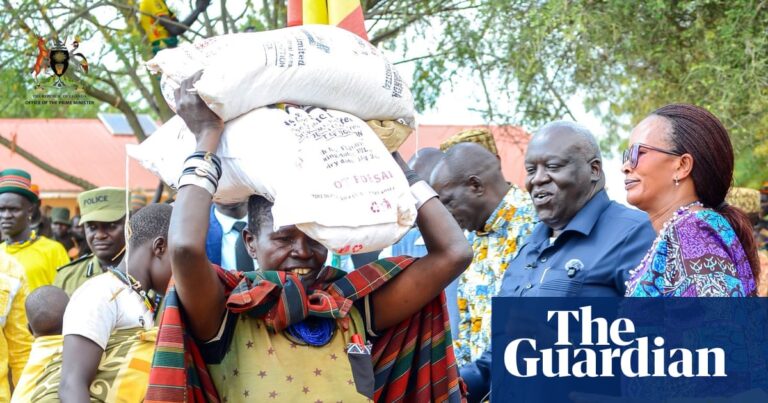
A devastating human tragedy is unfolding in Uganda’s Karamoja region, where a prolonged drought has escalated into a dire Karamoja hunger crisis. At least 19 lives have already been lost to starvation, prompting the Ugandan government to initiate an emergency food relief program. This urgent intervention comes after months of severe crop failures, leaving an estimated 1.5 million people grappling with acute food shortages and escalating malnutrition across the eastern expanse of the nation.
The situation, as monitored by global food security experts, has deteriorated to a critical level. The Famine Early Warning Systems Network (FEWS Net), a respected authority on food security monitoring, explicitly reported a crisis across Karamoja. This declaration underscores the urgent need for action, highlighting the severe deprivation faced by countless families.
Karamoja Hunger Crisis: Beyond Immediate Relief
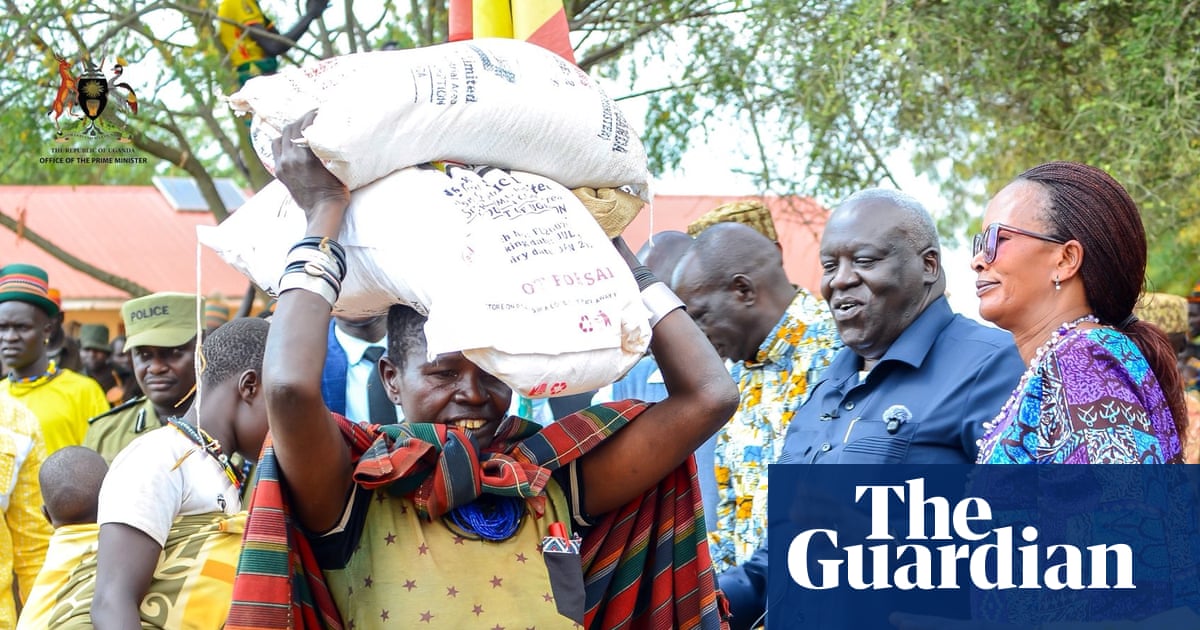
In a significant shift, and following substantial reductions in international aid, the Ugandan government has stepped forward to lead the massive relief operation. Authorities plan to distribute 9,400 tonnes of vital food supplies over the next two months. This monumental undertaking is financed by a 45-billion-shilling (£9m) emergency allocation, meticulously approved by parliament, demonstrating a profound commitment to its citizens.
Sam Engola, the minister for disaster preparedness and refugees, personally launched the distribution efforts at a primary school in Lodiko sub-county, Kaabong district. His words resonated with urgency: “The president does not want to hear of anyone in Karamoja dying of hunger. I am here to supervise the distribution of this food to the end. I will ensure that everyone receives food. No one will be left behind.” A clear, unwavering promise from the government.
The region has endured its most brutal dry spell in recent memory. Farmers, dependent on the April rains to sustain their crops, have watched helplessly as their livelihoods withered away. The impact on individual lives is heartbreaking. Angelina Nakiru, a 21-year-old mother of two in Rupa, eloquently described her daily struggle. “The work is dusty and exhausting,” she said of her meagre earnings from a gold-bearing ore grinding mill, “but it is the only way I can earn money to buy a cup of maize and beans to feed the children.” Often, her children sleep hungry. This is the stark reality for many caught in the throes of the Karamoja hunger crisis.
Health facilities across the region are overwhelmed, treating hundreds of children afflicted by severe malnutrition. A recent nutrition report indicated that nearly half the population in Karamoja’s Kaabong and Kotido districts is in crisis. Experts point to a confluence of factors: climate crisis shocks, rampant deforestation, overgrazing, pervasive poverty, and alarmingly low agricultural productivity as the root causes of this recurrent food insecurity. In 2022, a similar catastrophe claimed over 2,200 lives, a stark reminder of the region’s vulnerability.
While emergency handouts offer a crucial temporary reprieve, the government acknowledges the necessity of long-term solutions. They are committed to the recently approved Karamoja regional development plan, designed to bolster communities’ resilience against future droughts. John Baptist Lokii, Minister for Karamoja, affirmed this commitment, stating, “The government will provide drought-resistant, disease-resistant and early-maturing seeds ahead of the next planting season.”
Agnes Kirabo, Executive Director of Uganda’s Food Rights Alliance (FRA), underscored the changing landscape of humanitarian aid. “This transition should not be viewed solely as a reaction to aid cuts, but also as a positive shift towards nationally owned, sustainable development.” She advocates for a systemic approach, emphasizing that emergency food distribution is a life-saving measure, but far from a permanent solution. The FRA champions the recognition of access to food as a fundamental human right and urges strategic investment in water infrastructure to harness Karamoja’s natural rainfall and water routes, fostering self-sufficiency.
Ultimately, the escalating Karamoja hunger crisis is symptomatic of broader governance challenges. The government’s present leadership in this emergency is indeed welcome. However, it must be robustly matched by the political will to enact profound systemic changes. Only then can the people of Karamoja, and indeed all Ugandans, be permanently shielded from the predictable and entirely preventable specter of hunger.
About the Author