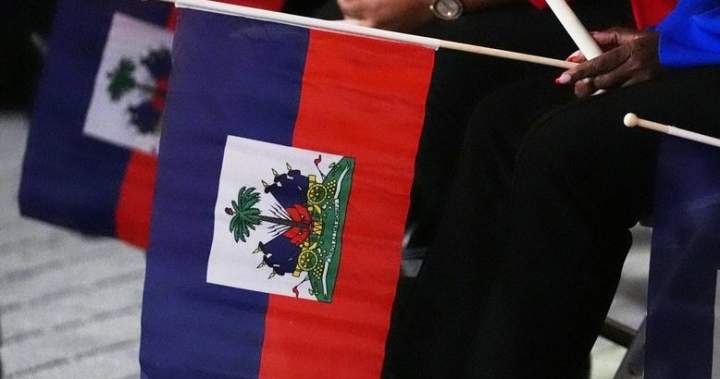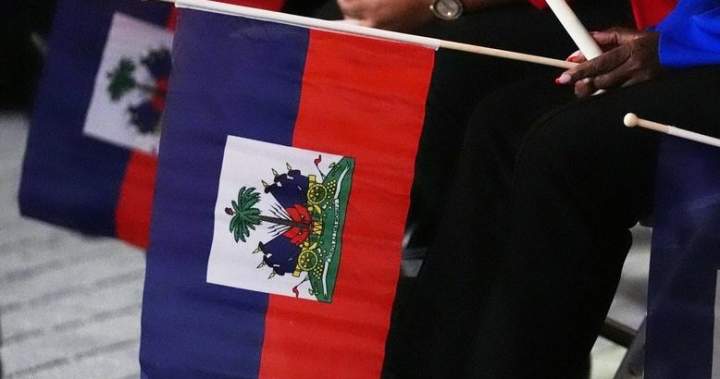
Montreal is bracing for a profound shift in its immigration landscape, as advocates prepare for a potential surge in demand for services. This urgent readiness follows the United States’ decision to terminate Temporary Protected Status (TPS) for over 300,000 Haitians. The abrupt cessation of these protections has ignited widespread concern among human rights organizations and legal experts regarding the fate of these **Haitian asylum seekers**.
The U.S. policy, which had permitted Haitians to live and work legally on American soil since a devastating 2010 earthquake, officially expired recently. This pivotal change leaves hundreds of thousands vulnerable to detention or, more severely, deportation back to a nation grappling with rampant gang violence and profound instability. Frantz André of the Action Committee for People Without Status minced no words, stating, “Now 350,000 people are officially non-status or illegal, so it’s going to be a fair game for ICE and Haitians are gonna be the first ones targeted.” A small contingent of approximately 6,000 Syrians were also impacted by the same measure.
The Plight of Displaced Haitian Asylum Seekers
Immigration and refugee lawyer Fedora Mathieu denounced the decision as “inhumane,” highlighting the escalating security crisis in Haiti. There, gang warfare has not only displaced thousands but also plunged countless residents into a constant state of fear. “They have to flee because otherwise, if they are at the wrong place, at the wrong time, they’re gonna get killed,” Mathieu passionately argued, underscoring the dire circumstances necessitating escape.
Community groups throughout Montreal anticipate that many Haitians, now devoid of protected status south of the border, may attempt to seek refuge in Canada. However, the path to asylum here is fraught with significant legal impediments. The contentious Safe Third Country Agreement mandates that most refugee claimants arriving at the Canada-U.S. border must seek asylum in the first country they entered. While limited exceptions exist for specific groups, such as unaccompanied minors or those with immediate family in Canada, recent federal legislation has further restricted avenues for individuals attempting to cross irregularly.
Despite these daunting barriers, advocates fear the termination of TPS will inevitably push some **Haitian asylum seekers** towards unofficial entry points, inadvertently fostering opportunities for human smugglers. “Yes. They’re asking thousands of dollars. However, stopping two groups, there will be 10 more because there is a huge demand,” André warned.
Legal luminaries are now vociferously urging Ottawa to implement additional measures to safeguard those affected. Julia Sande, a lawyer with Amnesty International, asserts that Canada must withdraw from the Safe Third Country Agreement. “Canada is violating the rights of people by sending them back to the States, knowing there’s a real risk,” Sande declared. Furthermore, calls are mounting for the federal government to establish a specialized program for Haitians leaving the United States, particularly acknowledging that many have resided there for years, often contributing as skilled workers. Advocates stress Canada’s moral imperative to provide protection amid Haiti’s ongoing national crisis, citing principles of international refugee law.
About the Author