
Calgary maintains rules for backyard suites but secondary suites will get ‘automatic approval’
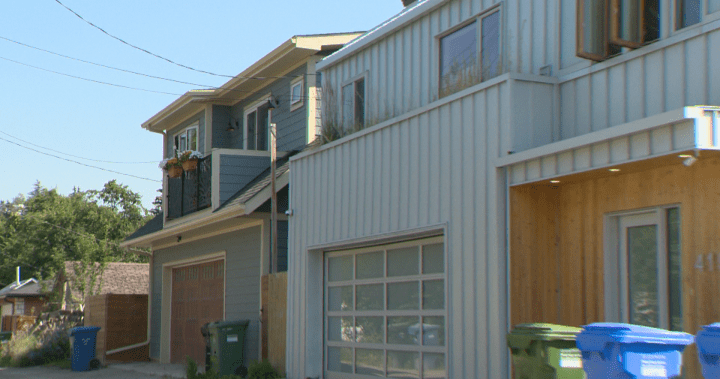
Calgary’s city council has made a pivotal decision impacting the city’s housing landscape, particularly concerning Calgary secondary suites. In a move expected to significantly streamline development, these internal dwelling units will now receive automatic approval, becoming a “permitted use.” However, despite administrative recommendations, the council chose to maintain stricter rules for backyard suites, keeping them under a discretionary approval process.
This shift comes as the city grapples with the impending repeal of citywide rezoning, set for August 4th, which threatened to plunge the suite application process into a quagmire of inconsistency across 16 distinct low-density zoning districts. Administration had initially pushed for both secondary and backyard suites to be classified as permitted use. This crucial designation means that secondary suites will no longer require a development permit, needing only a building permit if all bylaw requirements are meticulously met. Such an alteration is projected to shave off up to six weeks from processing times and save developers over $600 in fees. City officials anticipate this change will spur the construction of roughly 2,300 new secondary suites annually. Last year alone, a staggering 98.9 percent of secondary suite applications were approved, with Calgary boasting 6,232 registered units in 2025.
The Future of Calgary Secondary Suites: Streamlined but Discretionary for Others
Calgary Mayor Jeromy Farkas expressed strong support for the council’s decision regarding Calgary secondary suites, stating, “Council, and I think the public as a whole, has recognized that there’s a reason that we should have an automatic approval for basement suites. This is a needed way to be able to provide housing.”
Yet, the path wasn’t as smooth for backyard suites. Council ultimately quashed the recommendation to make them a permitted use, opting instead to uphold their status as a discretionary use, which necessitates a development permit. Ward 11 Coun. Rob Ward championed this amendment, arguing that a secondary suite exists within an existing building envelope. In stark contrast, a backyard suite represents an entirely new structure, and “every parcel in the city is different.” This nuanced approach, Ward suggested, affords administration greater flexibility to tailor decisions to specific property characteristics while preserving neighbours’ right to appeal. Despite 190 out of 192 backyard suite development applications being approved last year, the council felt the move to automatic approval, coupled with proposed increases in maximum interior floor area, was “a bit too much.” These changes, according to Mayor Farkas, stirred significant public and council apprehension.
The council’s choice did not sit well with everyone. Stephanie Chipeur, an expert in Law & Disability Policy at the University of Calgary, voiced her profound disappointment. Chipeur, who uses a wheelchair, passionately advocated during the public hearing for at-grade backyard suites, emphasizing their pivotal role in removing accessibility barriers for individuals with disabilities. Such suites would allow them to live in close proximity to essential family supports, fostering independence and community. “It is those kinds of connections and relationships that we need in order to live our lives, and if we had to pay for it, it would be enormously expensive and it’s not covered by any provincial supports,” she articulated, underscoring the vital nature of these adaptable living arrangements. While Calgary secondary suites move forward with ease, the journey for backyard units remains more challenging. It’s critical for residents to understand all implications of these updated local urban planning information.