
Quebec Liberal Party leader Charles Milliard unveils economic plan
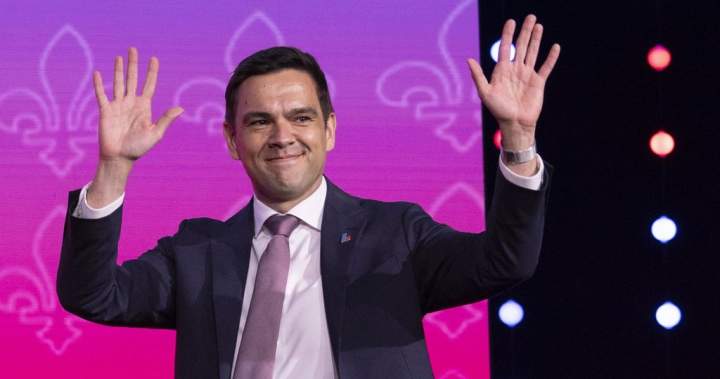
Quebec Liberal Leader Charles Milliard has broken his silence, finally unveiling his party’s much-anticipated economic vision. With the provincial election campaign looming just weeks away, this marks Milliard’s first significant policy announcement in recent memory, drawing both scrutiny and renewed interest from a public largely unfamiliar with his agenda.
On a recent Wednesday, speaking outside the U.S. Consulate in Quebec City, Milliard articulated a plan centered on bolstering Quebec’s standing within the Canadian federation, forging new trade alliances, and strategically preparing the province for the evolving dynamics of the North American economy. “We’re proposing something clear and pragmatic,” Milliard declared, “which is to work for a stronger Quebec and a stronger Canada.”
The Challenge Facing Charles Milliard
Political analyst Karim Boulos noted an initial surge in momentum for Milliard following his Liberal leadership victory in February. “When he was announced, the number spiked. The liberals looked great,” Boulos commented, adding that they briefly “outshined the CAQ.” However, this early enthusiasm appears to have waned over subsequent months. Meanwhile, Premier Christine Fréchette deftly worked to differentiate herself from the legacy of the François Legault era.
Boulos highlighted a missed opportunity for the Quebec Liberal leader. “The PQ over the last few months has begun to lose some steam, so that created a window of opportunity that Mr. Milliard could have seized. However, it was Madame Fréchette who seized it.” Indeed, many Montrealers surveyed by Global News confessed they couldn’t identify Milliard or knew little of his specific priorities, though curiosity about the upcoming election, slated for October 5, is undeniable.
Despite the current perception, voters can anticipate a more visible Charles Milliard in the immediate future. Désirée McGraw, Liberal MNA for Notre-Dame-de-Grâce-Côte-des-Neiges, assured the public: “I think you can expect to see a lot more of him and more announcements in terms of unveiling our platform at the appropriate time.”
The economic message, Boulos suggests, holds potential. It could resonate with those seeking enhanced collaboration between Quebec and the broader Canadian landscape. Yet, to truly distinguish himself before the polls open, Milliard must present a robust and comprehensive platform, swiftly tackling critical issues like health care, education, infrastructure, investment strategies, and technological advancement. Understanding the provincial electoral process can provide further context for this crucial period.
For now, Charles Milliard steadfastly maintains that Quebec has been playing an insufficient role on the national stage. He argues that greater cooperation with the rest of Canada is not merely beneficial but absolutely essential to amplify Quebec’s economic influence and secure its future prosperity.