
US launches ‘heavy’ strikes on Iran after attempted attack on American troops
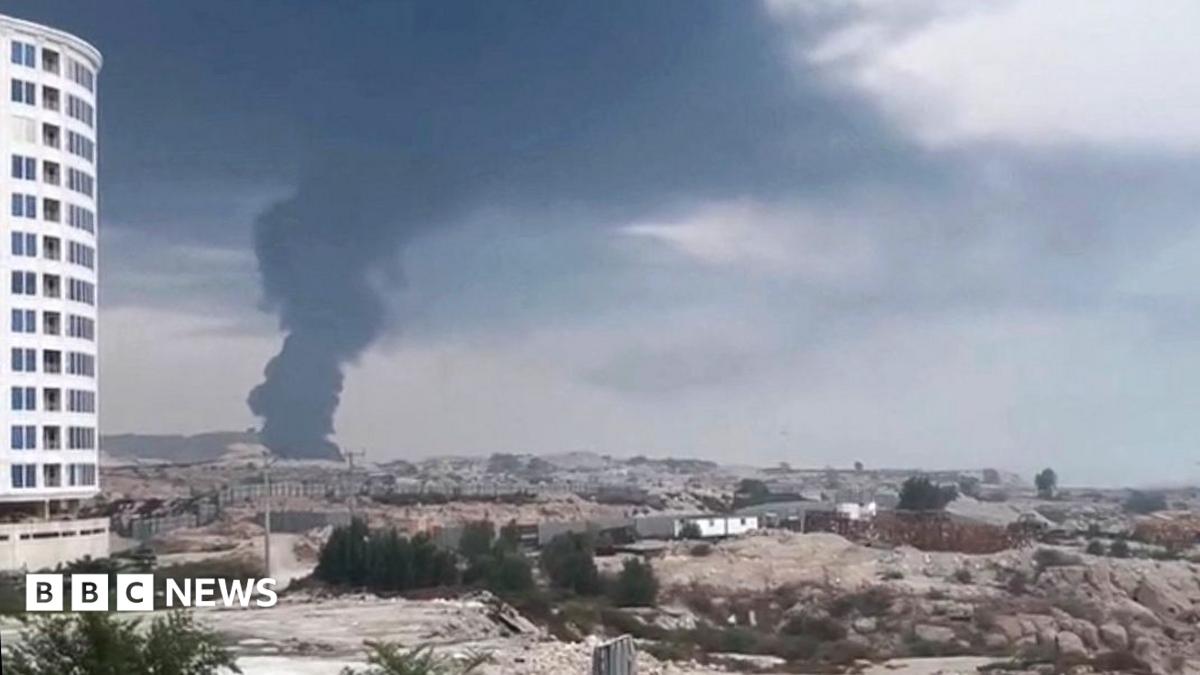
The Middle East once again finds itself in the grip of escalating tensions as the US military confirms a “heavy wave” of US Iran strikes in retaliation for recent attempted ballistic missile attacks on American forces. This latest surge in hostilities paints a grim picture, with Iranian state media reporting civilian casualties, including a two-year-old child, on Qeshm island.
Centcom, the US Central Command, stated its forces targeted “dozens” of Islamic Revolutionary Guard Corps (IRGC) sites. This decisive action follows Iran’s recent firing upon US bases in Jordan and threats to shipping lanes in the crucial Strait of Hormuz. Such direct engagements underscore a worrying expansion of the conflict, which has seen its intensity rise dramatically in recent weeks.
Understanding the Impact of US Iran Strikes
The conflict’s tendrils have stretched further across the region this week, marked by the first publicly announced joint US-Saudi strikes against Iranian proxies in Iraq. A ceasefire, painstakingly negotiated in April to quell the months-long war, tragically crumbled in June. Since then, a relentless cycle of strikes and counter-strikes has become the dangerous new normal.
Washington has not only blockaded Iranian ports but also launched aerial bombardments on Iranian installations. Tehran, in turn, has unleashed missiles and drones against American assets across the Middle East, while also menacing vital shipping in the Strait of Hormuz, the narrow gateway connecting the Persian Gulf and the Arabian Sea, crucial for global oil transit.
Amidst the chaos, a flicker of diplomatic hope emerged briefly on Wednesday. News outlet Axios cited an unnamed US official indicating that former President Trump had met Saudi Defence Minister Prince Khalid bin Salman, who reportedly expressed a desire for de-escalation. The White House, however, has remained tight-lipped.
Further unsettling developments include an apparent drone attack causing a fire at an Egyptian port on Wednesday. This marks a new, concerning front, as Egypt, a steadfast US ally, had previously avoided direct engagement in the conflict.
After a fleeting period of relative calm, the US-Iran conflict has roared back to life. Previous “very friendly negotiations,” as Trump once described them (a claim Tehran fiercely denied), had seen both sides halt strikes. Yet, the Iranian missile assault on a US base in Jordan on Tuesday ignited a furious response. “We’re going to be hitting them very hard because it’s our turn to hit them. They know it’s coming. They asked us not to do it,” Trump declared.
The recent barrage of US Iran strikes commenced at 20:00 ET on Wednesday (01:00 BST on Thursday), lasting approximately an hour. Centcom characterized it as a “powerful response” to the prior day’s Iranian aggression, noting all incoming Iranian missiles were intercepted. Targets included “military command centers, missile and drone facilities, coastal surveillance and defense sites, and maritime capabilities.”
Iranian state media, Irib, reported that the oil-rich islands of Qeshm and Abadan were among those impacted. A particularly harrowing account from Fars, citing Hormozgan University of Medical Sciences, detailed the deaths of a father, mother, and their two-year-old child in a US attack on a residential home in Qeshm’s Chah Tangu neighbourhood. A local resident described the situation as increasingly perilous, grappling with internet outages, electricity cuts, and terrifying explosions since early morning.
Meanwhile, Jordan’s armed forces confirmed their air defence systems successfully downed five Iranian missiles aimed at its territory on Thursday, averting potentially devastating impacts. The IRGC, for its part, claimed its Tuesday strikes on the Jordanian US air base and command center were “in response to the acts of aggression of the American child-killing army.” They also asserted naval forces had struck three oil tankers in the Strait of Hormuz for ignoring warnings and traversing “unsafe and illegal” routes.
This week’s events follow a 13-night bombing campaign suspended last Friday by the US, which focused on Iranian weapons and military sites, reportedly causing scores of fatalities. Centcom also disclosed that joint US-Saudi strikes on Tuesday hit “multiple terrorist logistics and weapons sites across eastern Iraq” in response to over 30 IRGC-directed drone attacks within 72 hours. Iraq’s Popular Mobilisation Forces (PMF), dominated by Iran-backed Shia militias, reported at least 20 members killed in these strikes, prompting the Iraqi presidency to condemn the bombing as “an unacceptable attack and a blatant violation of Iraq’s sovereignty.” However, Trump countered that these strikes were “co-ordinated with the Iraqi government.” For a deeper dive into these complex regional dynamics, explore this Middle East analysis.
The struggle for regional dominance between Sunni-led Saudi Arabia and Shia-majority Iran continues to fuel this long-standing, volatile rivalry. The latest US Iran strikes serve as a stark reminder of the fragile peace and ever-present danger across the Middle East.