
EU to hold urgent meeting after Spanish PM calls Ceuta crisis response ‘selfish’
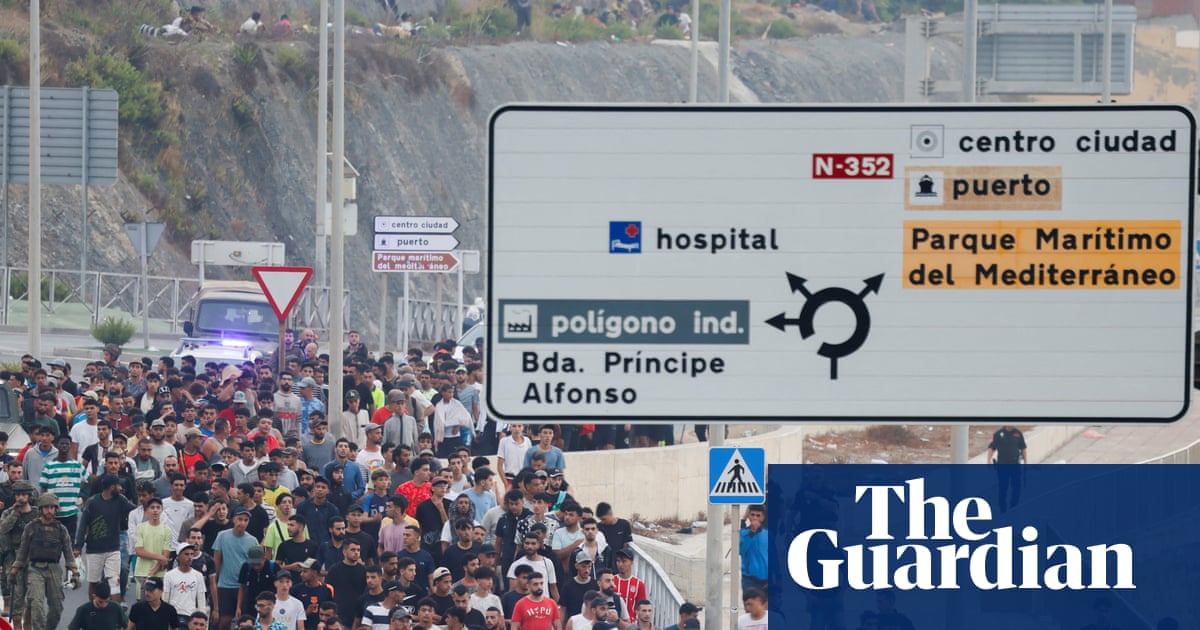
Europe finds itself embroiled in a fresh diplomatic row. Spanish Prime Minister Pedro Sánchez has lashed out at what he termed “selfish” reactions from certain EU states following a monumental influx of over 50,000 irregular migrants into Ceuta, Spain’s North African enclave. This sudden surge has plunged the continent into a profound Ceuta crisis, prompting an urgent, extraordinary meeting of interior ministers to grapple with shattered political unity.
Fractured Fronts Amidst the Ceuta Crisis
The sheer scale of the crossings, occurring across Thursday and Friday, saw an estimated 50,000 individuals, many desperately seeking a new life, breach the border from Morocco. Tragically, at least 67 lives were lost in the perilous journey, some drowning, others succumbing to crushing injuries near the breakwater barriers. Madrid responded by swiftly deploying reinforced police and military presence and initiated the construction of new sea barriers.
Sánchez’s frustration boiled over as he openly accused some EU nations, Italy chief among them, of “weaponising” the unfolding situation rather than extending “solidarity and empathy.” Spain, he pointedly remarked, had previously shown staunch support for Poland when similar border surges were deemed “hybrid attacks” from Belarus.
The fallout was immediate: Italy threatened to suspend its Schengen free-movement arrangements with Spain for a month, despite Ceuta’s unique status within the zone. Foreign Minister Antonio Tajani controversially linked the influx to Spain’s now-closed scheme to regularise over a million undocumented migrants.
In a stern letter to EU leaders, Sánchez unequivocally decried attitudes “driven by prejudice, fake news, ignorance or political interest,” asserting such reactions contradicted European and humanitarian law. He emphasized Spain’s standing, citing Frontex data that positions Spain as “one of the least porous external borders of the European Union.”
While many of the recent arrivals have voluntarily returned, local authorities in Ceuta, including President Juan Jesús Vivas, confirm thousands remain. The city remains gripped by “unease and concern.” Efforts to contain the situation include installing a 500-meter inflatable barrier and anchored buoys at Tarajal beach. This current Ceuta crisis significantly eclipses the 2021 incident when 10,000 people crossed over two days.
Migration experts, however, challenge the Spanish government’s narrative of “human-trafficking mafias” leveraging a recent Supreme Court ruling. Mauricio Valiente, Director General of the Spanish Refugee Aid Commission, highlights the distinct nature of the Ceuta route compared to more organised “Atlantic journeys” to places experiencing similar migration challenges. He argues that factors contributing to the increased arrivals are complex, extending beyond simple legal or criminal explanations.
As the EU grapples with this latest challenge to its external border policy and internal cohesion, Ireland, holding the current EU presidency, has convened a crucial Justice and Home Affairs Council meeting for Tuesday. Ursula von der Leyen, the European Commission president, has endorsed Sánchez’s call for dialogue, stressing that “fighting illegal migration requires solidarity and a united European response” to navigate this complex Ceuta crisis. France, notably, has stated it will not seek Spain’s suspension from Schengen.