
No Petrol, Diesel Price Cut Yet: Centre Explains Why Fuel Rates Remain Market-Driven
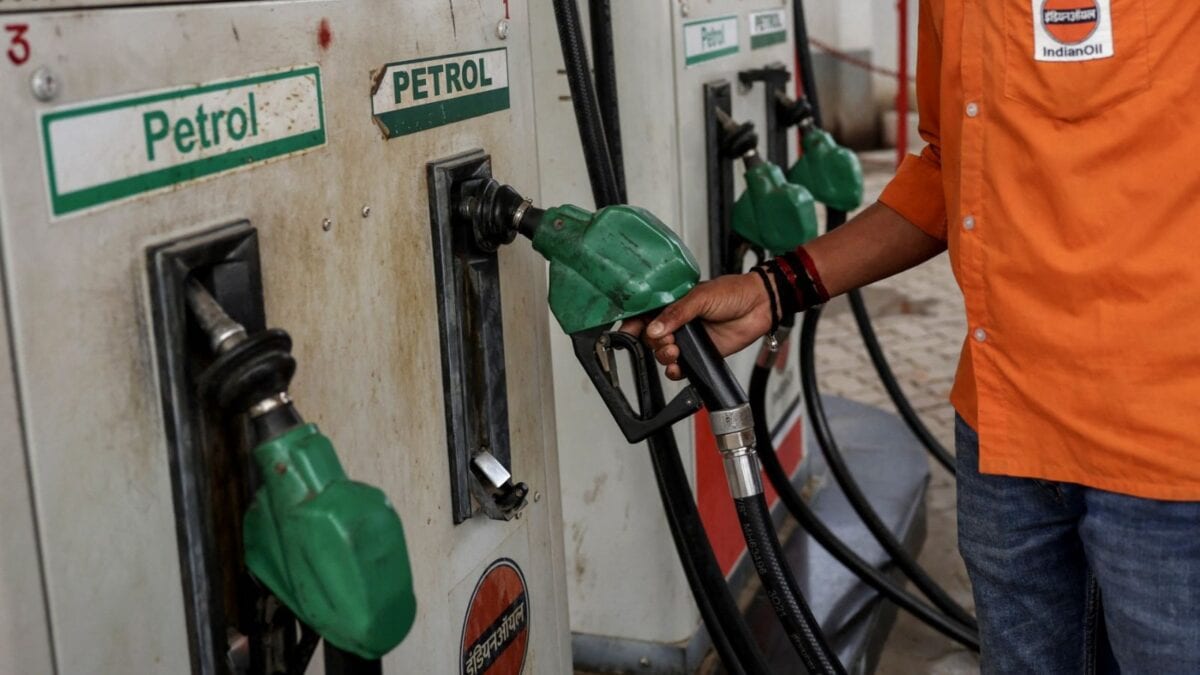
The central government recently clarified there would be no immediate fuel price cut, asserting that retail rates for petrol and diesel are fundamentally market-driven. This announcement came amidst public anticipation and queries regarding potential relief at the pumps, particularly after reported fluctuations in international crude oil prices. Minister of State for Petroleum and Natural Gas, Suresh Gopi, addressed the Rajya Sabha, definitively stating the government’s limited direct involvement in setting these crucial consumer prices. It appears relief isn’t on the horizon anytime soon for Indian motorists.
Why No Immediate Fuel Price Cut?
The Ministry of Petroleum and Natural Gas emphasized that public sector oil marketing companies (OMCs) bear the responsibility for determining daily retail prices, guided by prevailing international market conditions. This decentralization of pricing power means the government itself does not directly mandate price reductions, even when global crude prices soften. The situation became particularly challenging following geopolitical events; India’s crude oil basket, which stood at a manageable $69 per barrel in February 2026, violently surged to $136.68 per barrel by March. These drastic, unpredictable swings, fueled by global instability and the US-Israel war on Iran, have undeniably complicated the pricing landscape.
During these periods of escalated international prices, the government noted that OMCs absorbed a significant portion of the increase. This strategic absorption prevented the full burden from falling onto the everyday consumer, effectively shielding them from even sharper hikes. Such measures, while beneficial to the public, inevitably impacted the financial health of these companies.
Oil Companies Absorb Shocks, Report Losses
The financial repercussions of maintaining stable prices despite volatile crude markets were starkly evident in the first quarter of 2026-27. India’s three major public sector oil marketing companies faced substantial losses. Indian Oil Corporation registered a loss of Rs 2,662 crore, while Bharat Petroleum Corporation Ltd reported a deficit of Rs 3,962 crore. Hindustan Petroleum Corporation Ltd bore the brunt, recording a staggering loss of Rs 11,526 crore during that quarter alone. These figures vividly illustrate the financial strain undertaken by these companies to mitigate the impact on consumers, making any further fuel price cut challenging without significant policy shifts or external relief.
Past Interventions and Revenue Sacrifices
It’s vital to recall the government’s direct intervention in March 2026, when it strategically slashed excise duty on both petrol and diesel by ₹10 per litre. This significant move was explicitly designed to cushion consumers from the then-soaring international crude oil prices. However, such a substantial reduction in duty naturally led to a considerable dip in government tax revenue. This past action highlights the delicate balance between consumer relief and national fiscal health, explaining why another broad fuel price cut via excise duty reduction might not be immediately feasible.
Currently, the prices of petrol and diesel continue to exhibit regional disparities across India. These variations are primarily attributable to differing state taxes and local levies. In the bustling capital, Delhi, petrol hovers around Rs 102.12 per litre, with diesel at Rs 95.20. Mumbai experiences higher rates, at Rs 111.21 for petrol and Rs 97.83 for diesel. Similarly, Chennai sees petrol at Rs 107.77 and diesel at Rs 99.55, while Bengaluru’s residents pay Rs 111.68 for petrol and Rs 99.56 for diesel. Other major metropolitan areas, including Kolkata and Hyderabad, also report petrol prices exceeding Rs 110 per litre, reflecting the cumulative effect of market dynamics and regional taxation.
The period following February 28, coinciding with the onset of the US-Israel war on Iran, saw multiple upward adjustments in retail fuel prices. State-run oil companies implemented an initial hike of Rs 3 per litre for both petrol and diesel on April 16. Further increases followed in May, with an approximate Rs 0.90 per litre rise on May 19, and another adjustment later that month. Cumulatively, by mid-May, Delhi witnessed an increase of Rs 4.74 per litre for petrol and Rs 4.82 per litre for diesel. For a deeper understanding of global energy dynamics, one might consult resources on global energy market trends. The government’s current stance, therefore, underscores the enduring influence of these market-driven forces, leaving consumers without the immediate prospect of cheaper fuel.