
Afghan women tell the BBC their lives are unrecognisable after five years of Taliban rule
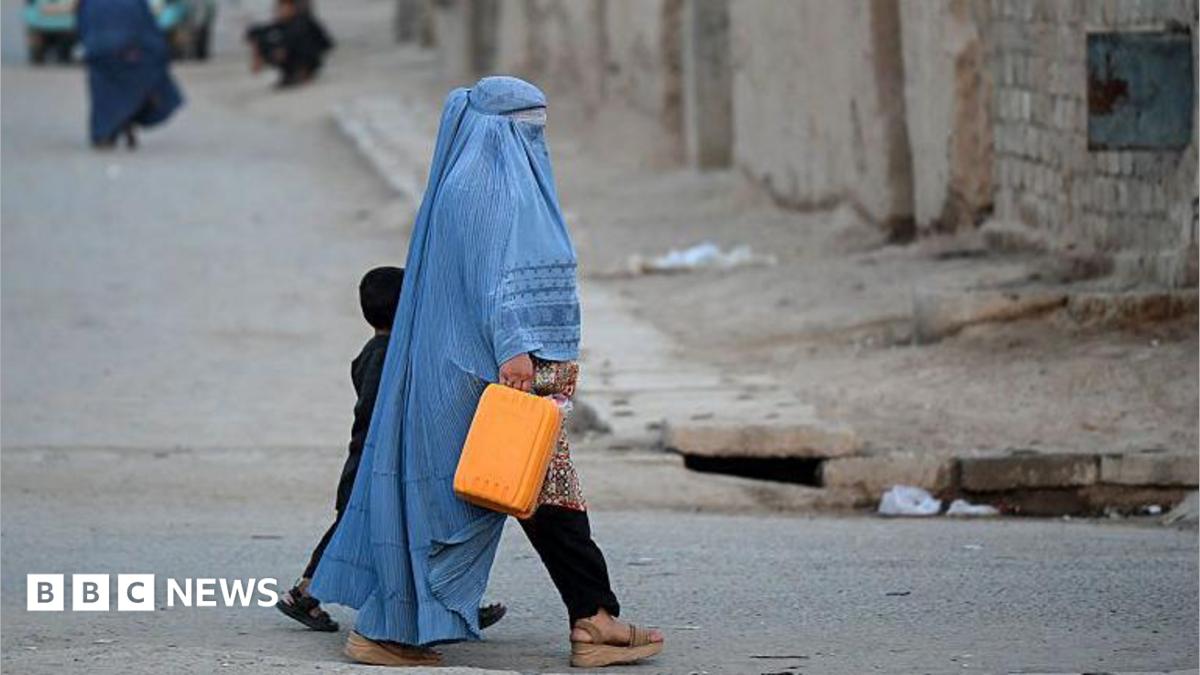
Five agonizing years have passed since the Taliban’s resurgence in Afghanistan, plunging the lives of millions into an abyss of despair. Women and girls, once hopeful for a brighter future, now find their existence fundamentally unrecognizable under the regime’s suffocating grip. The systematic erosion of Afghan women’s rights has been relentless, a grim reality starkly highlighted by poignant testimonies collected by the BBC across the beleaguered nation.
This hard-line Islamist group has painstakingly dismantled the freedoms of 22 million women in the country, a stark reversal since regaining control in 2021—two decades after being ousted by a US-led military coalition. The BBC, maintaining rare access, ventured from Kabul’s bustling heart to the vast, rural expanses, documenting these harrowing changes.
Restrictions abound: girls over 12 are barred from schools, travel without a male chaperone is forbidden, and a new law even tacitly approves child marriage. While the Taliban’s foreign minister claimed, “Women are not totally restricted on all walks of life,” the accounts of women like Ela, a dental assistant from Kabul, paint a far grimmer picture. “People are so overwhelmed by poverty and daily hardships that many have been forced to put their education, dreams, and hopes for the future aside,” she lamented. “Today, survival has become the priority.”
The Systematic Erosion of Afghan Women’s Rights
Afghanistan remains the only nation globally where girls are officially denied secondary and higher education. Shakiba, an 18-year-old aspiring pilot, recounted August 15, the day the government fell, as “the worst and most painful day of my life.” Her lifelong dream of flying now feels utterly impossible, despite completing secondary education online – a small, personal victory.
Amir Khan Muttaqi, the Taliban’s foreign minister, responded to BBC inquiries about UNICEF’s report on 2.6 million girls out of school, asserting that “three million girls are going to schools and madrassas.” Yet, the practical implications of religious education producing essential professionals like doctors remain disturbingly vague.
Employment prospects for women are equally dire. The United Nations reports a mere 7% of Afghan women are employed, having been purged from numerous workplaces and fields of study. Zuhal, a 32-year-old former journalist, described the profound loss: “My work was part of my identity and life.” Now, her days are spent at home, devoid of the vibrant purpose she once embraced.
Despite the foreign minister’s claims of an increase in female entrepreneurs, from 30,000 to 120,000, the chilling return of public corporal punishment reveals a brutal reality. Hundreds have been flogged since 2021; the actual figure is undoubtedly higher. Shaima endured 50 lashes, leaving her body scarred and her family traumatized. Manizha was publicly lashed 39 times and jailed for her friendship with a man, contemplating suicide after her ordeal.
The healthcare crisis deepens with restrictions on female access to male doctors, exacerbating one of the world’s highest maternal mortality rates. Midwife Marzia recounted the devastating loss of a 45-year-old mother of six, a preventable tragedy. Maryam, expecting a daughter, worries profoundly about her child’s future. “If things continue like this, what will happen to her?” she asks, terrified her daughter may lack access to even basic medical care. These testimonies collected by the BBC paint a harrowing portrait of the challenges faced by **Afghan women’s rights** advocates and ordinary citizens alike.
Despite the overwhelming adversity, flickers of resilience persist. Noori, 24, whose law degree was cut short, channeled her determination into establishing a jam-making company, employing ten brave women. “I want them to become independent, strong, and successful women like me,” she declared. Thirteen-year-old Asma, resolute in her dream of becoming a doctor, believes, “One day, everything will change.” Ela urges the international community not to forget Afghan women and girls: “Speak up for Afghan women, support their right to education and work.” We need solidarity, not silence. For those seeking further information on the humanitarian situation, you can explore resources from international human rights organizations.