
Landslide at waste mound in Guinea capital kills 30, government says
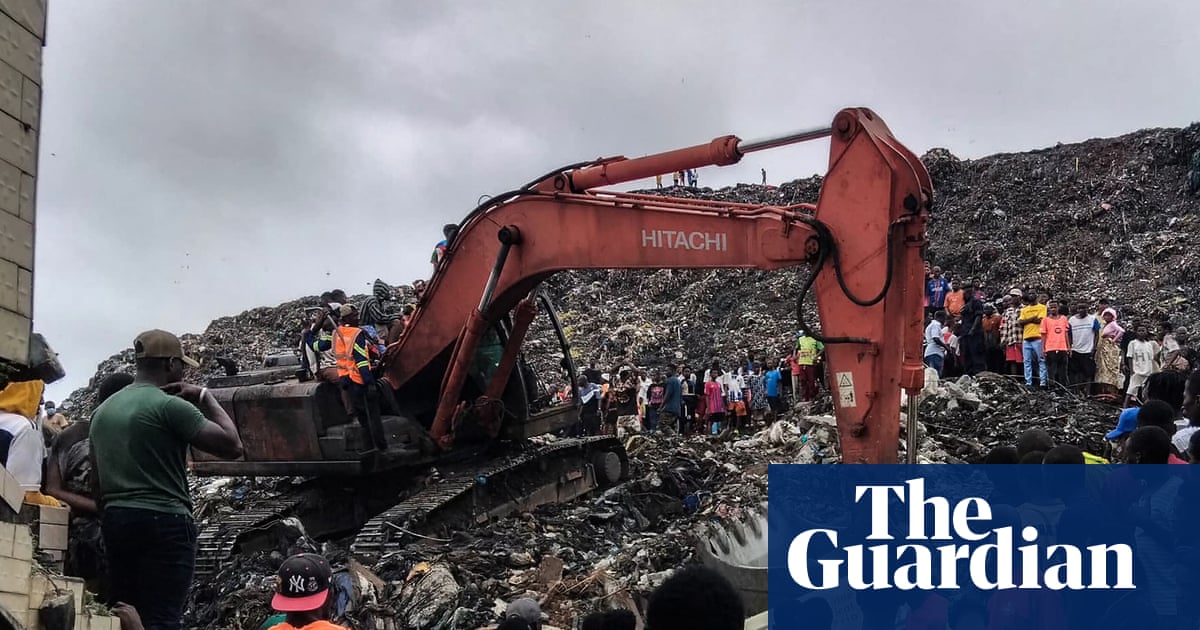
A thunderous collapse ripped through Conakry in the early hours of Sunday, as a monumental waste dump gave way under the relentless assault of heavy rainfall. This devastating Conakry landslide claimed the lives of at least 30 people, a tragic tally that underscores the dire consequences of neglected urban infrastructure in Guinea’s bustling capital. The incident, which unfolded in the Gbessia commune, saw shacks and makeshift homes near the vast waste mound instantly engulfed, burying families beneath tonnes of refuse and mud. It’s a catastrophe made even more poignant by the stark reality that this very site was slated for closure just days before, a grim premonition of the disaster that was tragically unheeded.
The tragedy struck around 2 AM local time, plunging the informal settlements surrounding the dump into chaos. Residents, jolted awake by the ground-shaking roar, quickly joined rescue workers in a desperate, frantic search for survivors amidst the colossal mound of debris. Equipped with excavators and basic tools, they painstakingly navigated the treacherous landscape, a testament to raw human resilience in the face of overwhelming destruction. Witnesses described a scene of unimaginable devastation, where the sheer volume of displaced waste was enough to swallow not just precarious dwellings but potentially an entire apartment building, erasing lives and livelihoods in an instant.
The Devastating Conakry Landslide: A Preventable Tragedy?
The narrative surrounding this disaster is particularly heartbreaking because of the clear warnings that preceded it. Less than a week before the fateful collapse, Guinea’s Minister of Territorial Administration, Djénabou Touré Camara, had publicly announced plans to close the landfill, citing its inherent dangers, especially during the notorious rainy season. The intent was to relocate the waste outside Conakry, recognizing the potent threat it posed to nearby communities. This period of heavy rainfall frequently triggers landslides and deadly flash floods each year, a recurring nightmare for precarious urban developments across West Africa.
For years, the vast waste mound in Conakry has loomed large, not just as an environmental blight but as a ticking time bomb for those living in its shadow. Informal settlements, often a consequence of rapid urbanization and a scarcity of affordable housing, spring up around such sites, leaving their inhabitants vulnerable to the myriad risks. Beyond the immediate threat of collapse, living near an active dump exposes communities to severe health hazards, from respiratory illnesses caused by burning waste to waterborne diseases stemming from contaminated groundwater. The lack of proper waste management infrastructure is a systemic issue, one that too often sees the most vulnerable populations bearing the brunt of governmental or municipal oversight failures.
The human toll of the Conakry landslide is starkly exemplified by stories like that of Cire Diallo, a woman who, in the aftermath, tearfully told reporters, “I have lost all my children. All I can do is put my trust in God.” Her profound grief encapsulates the despair gripping a community that has lost everything – not just homes, but entire families. These are not mere statistics; they are individuals, dreams, and futures extinguished by a preventable disaster. The trauma inflicted upon survivors and the wider community will undoubtedly linger for years, a deep scar etched into the collective memory of Conakry.
Guinea itself presents a perplexing paradox: a nation immensely rich in natural resources, boasting the world’s largest bauxite reserves and the richest untapped iron ore deposit at Simandou. A massive mining project was even launched there last November, highlighting the country’s potential for economic prosperity. Yet, this natural wealth stands in stark contrast to the widespread poverty and poor infrastructure that plague the nation. According to a World Bank report published in April, a staggering 3.7 million of Guinea’s 15.1 million people live on less than $4.20 a day. This economic disparity often forces a significant portion of the population into precarious living situations, creating the very conditions for such tragedies.
In response to the tragedy, Prime Minister Amadou Oury Bah visited the landfill on Sunday, assessing the damage and overseeing the emergency response. The government’s statement urged citizens to “remain calm, show solidarity, and strictly follow the instructions of rescue services and the competent authorities.” While swift action in a crisis is commendable, the timing of the government’s closure announcement – just days before the disaster – raises critical questions about the implementation timeline and the efficacy of preventative measures. Addressing such systemic failures in governance, particularly concerning urban planning and public safety, remains paramount for preventing future catastrophes.
The Conakry landslide serves as a harrowing reminder of the fragile balance between urban development, environmental safety, and human life. As rescue efforts continue, the focus must inevitably shift towards long-term solutions – not just relocating waste, but comprehensively rethinking urban planning, investing in robust infrastructure, and providing safer, dignified housing alternatives for all citizens. Only then can Guinea truly turn the page on such avoidable tragedies and build a more secure future for its people.