
Burial of King Oyo takes place in Uganda as news anchor prepares for throne
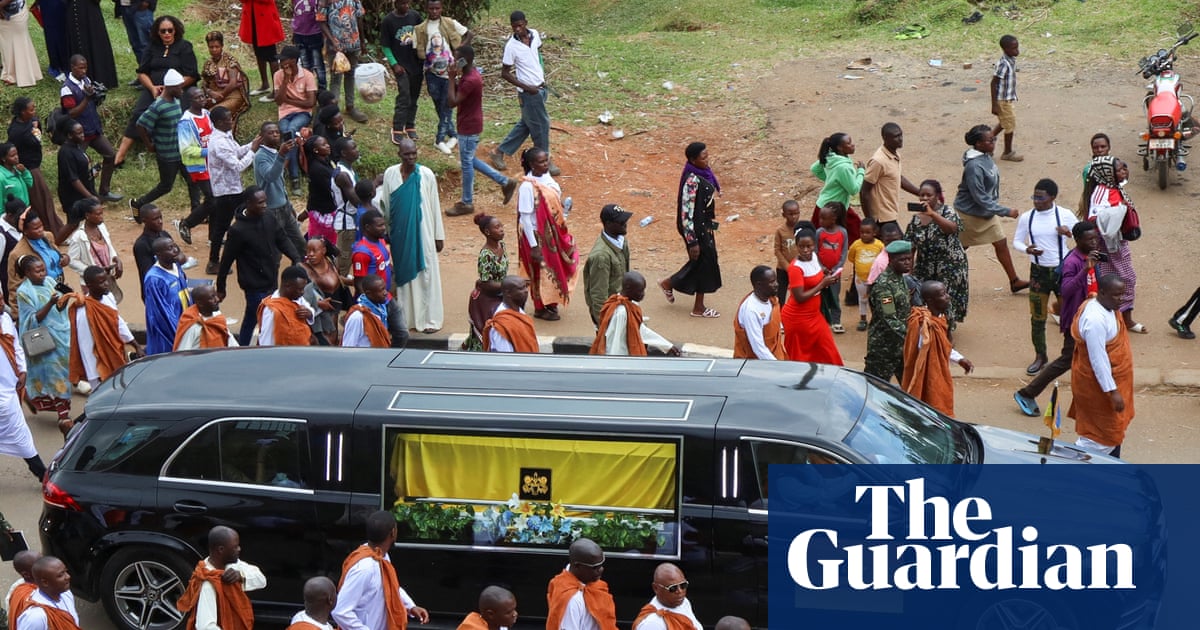
In a solemn ceremony steeped in centuries-old tradition, Uganda’s Tooro kingdom laid to rest its beloved, albeit controversial, King Oyo Nyimba Kabamba Iguru Rukidi IV. The air in Fort Portal, the kingdom’s capital, was thick with the twin emotions of profound grief for a monarch who ascended the throne as a toddler and a palpable tension surrounding the thorny `Uganda King Succession` dispute that threatened to overshadow his final rites. Royal guards, distinctive in their vibrant orange robes, escorted the hearse carrying King Oyo’s casket through the thronged streets to the sacred Karambi Royal Tombs, a procession that drew thousands of mourners in a poignant display of collective sorrow and respect.
The late King Oyo, who passed away at the age of 34 in the United States while receiving cancer treatment, made global headlines in 1995 when he became the world’s youngest reigning monarch at a tender three years old. Images of the toddler king, adorned in an oversized crown and elaborate royal robes, captivated international audiences, sparking widespread curiosity and a touch of endearment. His reign, though tragically cut short, was marked by significant ceremonial responsibilities and a notable commitment to public service. He served as a United Nations goodwill ambassador, tirelessly campaigning against HIV and AIDS, demonstrating a maturity and dedication far beyond his years. His sister, Ruth Komuntale, eloquently eulogized him at a pre-burial church service, stating, “Although he became king and carried responsibilities far beyond what most people ever experience, he never completely lost the young boy who loved to have fun.” This human touch resonated deeply with a populace grappling with his untimely departure.
The Tumultuous Uganda King Succession
However, the somber atmosphere of mourning was inescapably intertwined with a bitter and highly public succession battle that had embroiled the notoriously fractious royal family for days. The controversy centered on the identity of Oyo’s rightful successor. A committee comprising members of the royal clan had officially announced Edward Rukidi Kijanangoma, a 56-year-old news anchor and editor at state broadcaster UBC, as the chosen king. This decision, however, was vehemently contested by the late king’s immediate family, who asserted that Oyo’s hitherto unknown son, whose existence was only revealed by the kingdom’s prime minister in the statement announcing the king’s death, should inherit the throne as per his will. The legitimacy of this claim was immediately questioned, with Kijanangoma’s supporters arguing that the family had failed to provide substantial evidence or basic information about the purported heir.
Sources close to the crisis talks indicated that Ugandan authorities intervened, successfully navigating the complex web of traditional customs and modern legalities to push through Kijanangoma’s succession. This intervention highlights the delicate balance between the elected government of Uganda and its pre-colonial kingdoms, which are revered as crucial bulwarks of traditional identity and heritage. The Archbishop of the Church of Uganda, Stephen Kaziimba Mugalu, implored for unity amidst the discord, cautioning that, “Words spoken in grief can cause pain, division and conflict. It can even destroy the legacy of the king we are mourning.” This plea underscores the profound societal impact of such internal struggles, mirroring challenges seen in a turbulent political landscape elsewhere, where unity often proves elusive.
Edward Kijanangoma: A New Chapter for Tooro
With the casting of nine coffee berries into King Oyo’s grave by Edward Rukidi Kijanangoma at the Karambi Royal Tombs, the formal handover of power was complete. This ancient ritual marked not just a farewell, but a contentious beginning. Kijanangoma, described by his journalistic peers as quiet and humble, had maintained a low profile during the succession dispute. He now steps into a role laden with immense expectations, both ceremonial and practical. As the new King, he inherits not only the symbolic crown of the Tooro Kingdom but also a substantial royal estate, including extensive landholdings and significant financial disbursements from the central government. His predecessor, King Oyo, himself ascended after a protracted succession battle that ended in court, a stark reminder that this current `Uganda King Succession` saga is but the latest chapter in a long history of royal challenges.
The continuity of these traditional kingdoms in modern Uganda reflects a unique aspect of the nation’s governance, where cultural leadership coexists with a democratic state. These institutions serve as vital anchors for ethnic identity, cultural preservation, and community cohesion. For the new King Kijanangoma, the immediate priority will be to heal the divisions wrought by the succession dispute and unite his people. His leadership will be crucial in steering the Tooro kingdom forward, preserving its rich heritage while addressing the contemporary needs of its subjects. Just as nations strive for progress and opportunities for their citizens, as seen in efforts for a new growth story in other parts of the world, King Kijanangoma now faces the daunting task of forging a harmonious future for the Tooro people, upholding the legacy of his predecessors while embarking on his own royal journey. His reign will undoubtedly be watched closely, both within Uganda and by those fascinated by the enduring power of traditional monarchies.