
‘Beware Of Babri Bhakts’: Yogi Warns ‘Bajrangis’ Of Attempts To Defame Ram Mandir Movement
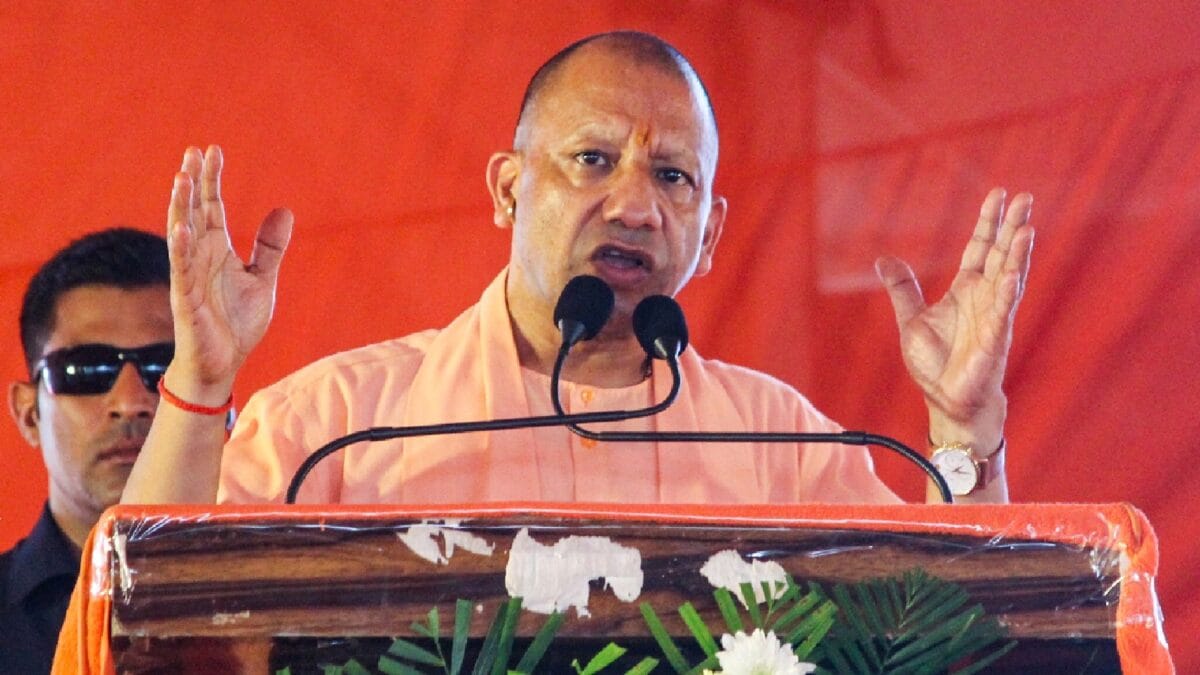
Uttar Pradesh Chief Minister Yogi Adityanath recently issued a stern warning to the supporters of the Ram Mandir movement, cautioning them to remain vigilant against individuals he characterized as “Babri bhakts.” Speaking at a commemorative event in Lucknow, the Chief Minister suggested that these figures are actively attempting to infiltrate and undermine the long-standing efforts surrounding the temple’s establishment.
Addressing the birth centenary celebrations of former Vishwa Hindu Parishad (VHP) leader Ashok Singhal, Adityanath utilized a powerful mythological metaphor to illustrate his point. He invoked the story of Kalnemi, a demon from the Ramayana, who was dispatched by Ravan to obstruct Lord Hanuman during his quest to retrieve the life-saving Sanjeevani herb. By comparing contemporary critics to this mythical figure, Adityanath argued that the movement must remain alert to those who claim devotion while harboring motives to damage the integrity of the cause.
The Legacy of the Ram Mandir Movement
The event served as a platform for Adityanath to reflect on the historical struggles of the movement. He specifically recalled the tumultuous events of 1990, during which security forces engaged in a violent confrontation with protesters under the previous state administration. Highlighting the resilience of leaders like Ashok Singhal, the Chief Minister emphasized that the current political landscape represents an ideological victory for the VHP, despite lingering opposition. For more context on political controversies involving judicial and legislative scrutiny, readers may look into the recent updates regarding administrative transparency and law reforms.
Adityanath also pivoted to address the transformation of Ayodhya, a city he claimed was plagued by neglected infrastructure, poor sanitation, and stagnant water in historical decades. He showcased the current state of the city as a success story of the modern administration, pointing to the restoration of the Saryu river flow, the development of expansive road networks, and the inauguration of the Maharishi Valmiki International Airport as tangible proof of progress.
Beyond development, the speech touched on broader cultural issues, including cow protection and persistent political disagreements. The Chief Minister did not shy away from criticizing the Congress party, leveling allegations regarding their past legal stances on the existence of historical deities. These comments were part of a broader narrative aimed at consolidating support and framing the political battlefield for the future. For additional insights on global debates surrounding religious and social movements, please refer to official accounts of the historical evolution of the region.
As the VHP launches a year-long series of programs to honor Singhal’s legacy, the rhetoric from leaders like Adityanath remains central. The focus on identifying “infiltrators” within the Ram Mandir movement serves as a reminder that for many in the ruling party, the fight for cultural preservation continues long after the construction of the monument itself. Whether this narrative will effectively sway public sentiment in the upcoming electoral cycle remains a subject of intense speculation and ongoing political debate across the state.