
Senators ‘attitude adjustment’ paying off
Introduction & Key Takeaways
The Ottawa Senators have embarked on a remarkable 4-1 start to their season, sparking conversations about a fundamental shift in team culture. This Ottawa Senators attitude adjustment appears to be the driving force behind their early success, moving the team toward a more cohesive, collective identity. Observers suggest that the current roster is actively distancing itself from the individualistic shadow cast by previous leadership, opting instead for a unified approach to high-pressure games.
- A strong 4-1 record marks the best start for the franchise since the 2014-15 season.
- The team is prioritizing collective effort over individual personality-driven narratives.
- Mental fortitude is being tested and proven in close, low-scoring encounters.
- Off-ice philanthropy, such as the initiative supporting CHEO, is fostering a deeper sense of purpose among the players.
Background & Context
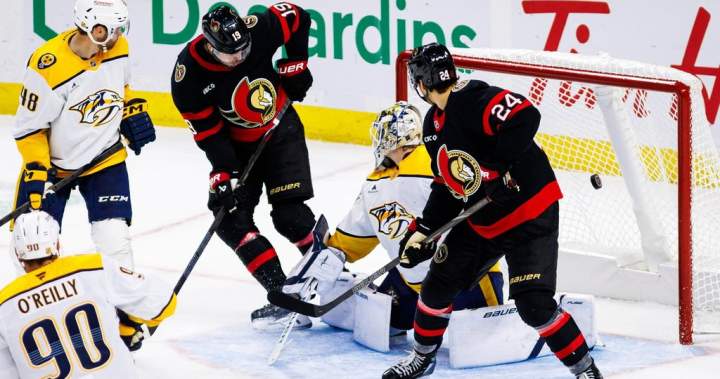
What just happened in the capital is more than just a favorable win-loss record. In the recent clash against the Nashville Predators, the Senators demonstrated a level of patience that had been absent in previous iterations of the team. Despite trailing 2-1 and facing a defensive onslaught from an opponent that effectively blocked 26 shots, the Senators remained composed. Their ability to force a late tie and eventually secure a 3-2 victory in a shootout signals a mature approach to professional hockey.
Root Cause & Deep Dive Analysis
Why did this happen? Many analysts point to the transition away from a captain-centric identity. While the influence of former leaders was undeniable, it often created a gravitational pull that could stifle the development of other locker room voices. The current group, led by coach Travis Green, is emphasizing a specific brand of urgency and tactical discipline. The shift is not merely physical, it is psychological. Players like Shane Pinto have openly discussed a different ‘mojo’ permeating the room, noting that the collective belief in winning regardless of the game state has replaced the fragility that defined past rosters.
The tactical shift is equally critical. By emphasizing attention to detail, the coaching staff has instilled a belief that the team can thrive even when missing key defensive pieces like Jake Sanderson and Artem Zub. This resilience is the hallmark of a system that trusts its depth, rather than relying on a singular superstar to carry the burden of victory.
Strategic Implications & Future Impact
The broader implications of this transformation are significant for the organization’s trajectory. Learning to win tight games during the initial weeks of the campaign creates a psychological foundation that pays dividends in the spring. If the Ottawa Senators can maintain this level of consistent performance, they will likely avoid the mid-season slumps that have historically derailed their postseason aspirations. Furthermore, the commitment to community-based initiatives, such as the charitable donation program started by Tim Stutzle and Thomas Chabot, creates a virtuous cycle of positive feedback that extends beyond the arena walls. This alignment of success and civic responsibility can solidify fan support, which in turn fuels player motivation.
Conclusion & What to Watch Next
As the schedule intensifies with three games in four days, the real test of this new attitude begins. The upcoming matchups against the New Jersey Devils, the St. Louis Blues, and the New York Islanders will serve as a barometer for how well this team handles fatigue and external pressure. Observers should monitor whether the Senators can maintain their defensive integrity and scoring urgency when legs grow tired. If they succeed, the 2026 season could prove to be a watershed moment for a franchise clearly eager to redefine its standard of excellence.