
MI5 chief warns of threats to UK from Russia, Iran and AI
Introduction & Key Takeaways
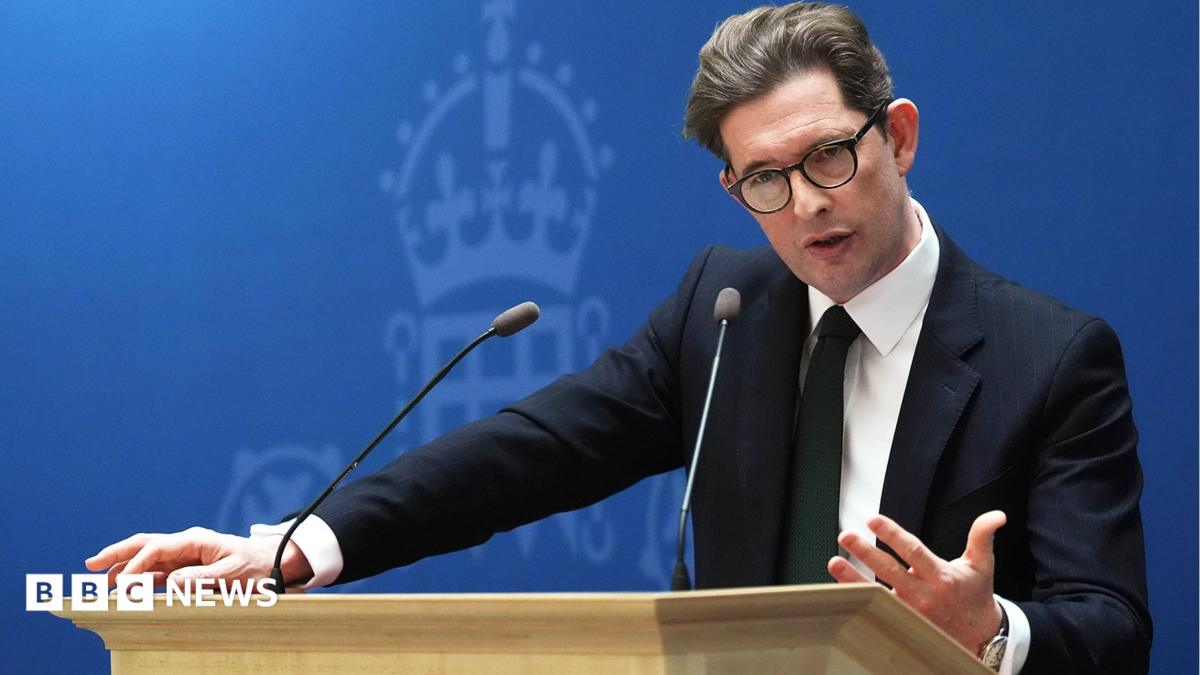
The landscape of modern national security is shifting rapidly as the UK faces a convergence of traditional state aggression and transformative technological perils. In a recent, somber address at Thames House, the head of MI5, Sir Ken McCallum, outlined an unprecedented increase in threats facing the United Kingdom. Among these, the MI5 chief highlighted the persistent hybrid warfare campaigns waged by Russia and Iran, alongside the emerging, unpredictable danger posed by the weaponization of artificial intelligence. Key takeaways from this assessment include:
- Foreign adversary threats have quadrupled over the past decade.
- The Kremlin is increasingly relying on criminal proxies to carry out acts of sabotage as its formal intelligence presence in the UK is diminished.
- Artificial intelligence is being actively exploited by terrorist groups to improve reconnaissance and potentially harness bioweapons.
- Domestic radicalization is trending younger, with recent investigations involving individuals as young as 13 years old.
Background & Context (What Just Happened?)
The annual address delivered by Sir Ken McCallum serves as a critical temperature check for British national security. As global geopolitical tensions remain elevated, the UK intelligence community is navigating a complex environment. The MI5 chief explicitly stated that the agency is dedicating more resources to countering state-sponsored aggression than it did during the peak of the Cold War. This shift reflects a move away from conventional, battlefield conflict toward the murky, low-visibility realm of hybrid attacks, including cyber-sabotage, disinformation campaigns, and the tactical use of criminal actors to mask state involvement.
Root Cause & Deep Dive Analysis (Why Did This Happen?)
The rise in adversarial activity is rooted in the strategic objectives of nations seeking to weaken Western alliances without triggering a direct conventional war. Russia, described as the leading aggressor, has faced severe setbacks in its conventional military operations in Ukraine. Consequently, it has pivoted toward hybrid methodologies. As one expert source on modern security paradigms notes, these non-military methods are designed to exert pressure and destabilize opponents while maintaining plausible deniability. Furthermore, the Iranian regime has expanded its shadow operations, with authorities reporting dozens of arrests related to activities targeting Jewish communities and military installations.
The most alarming development, however, is the role of artificial intelligence in accelerating these threats. AI is not merely a tool for efficiency, but a force multiplier for chaos. It allows for the hyper-personalization of propaganda, making radicalization efforts more effective than ever before. For further insight into the intersection of technology and national security, explore how vulnerabilities in artificial intelligence are becoming a focal point for international intelligence agencies.
Strategic Implications & Future Impact (What Does This Mean Globally?)
The global implications of this warning are profound. As state actors lose their traditional intelligence footprints due to expulsion and legal pressure, the reliance on ad-hoc criminal networks introduces a volatile and unpredictable element to domestic security. This ‘scrambling’ by adversaries, as described by Sir Ken, suggests a weakening of centralized strategic control, which paradoxically makes these actors more reckless. Moreover, the integration of AI-enabled drones and the theoretical potential for AI-driven bioweapons represent a paradigm shift in threat assessment. Governments are now forced to confront entities that operate at speeds and levels of sophistication previously unimaginable in the human-led history of counter-intelligence.
Conclusion & What to Watch Next
The warning from the MI5 chief underscores that the era of binary, state-on-state threats has evolved into a multilayered crisis. While the National Security Act provides a robust legal framework to mitigate these risks, the sheer speed of technological change poses a perpetual challenge. As the agency launches a dedicated AI Threat Assessment Centre, policymakers, the private sector, and the public must remain vigilant. Moving forward, the focus will likely remain on how effectively intelligence agencies can separate ‘bluster from reality’ in an age where digital misinformation and AI-enhanced tactics define the new frontline of defense.