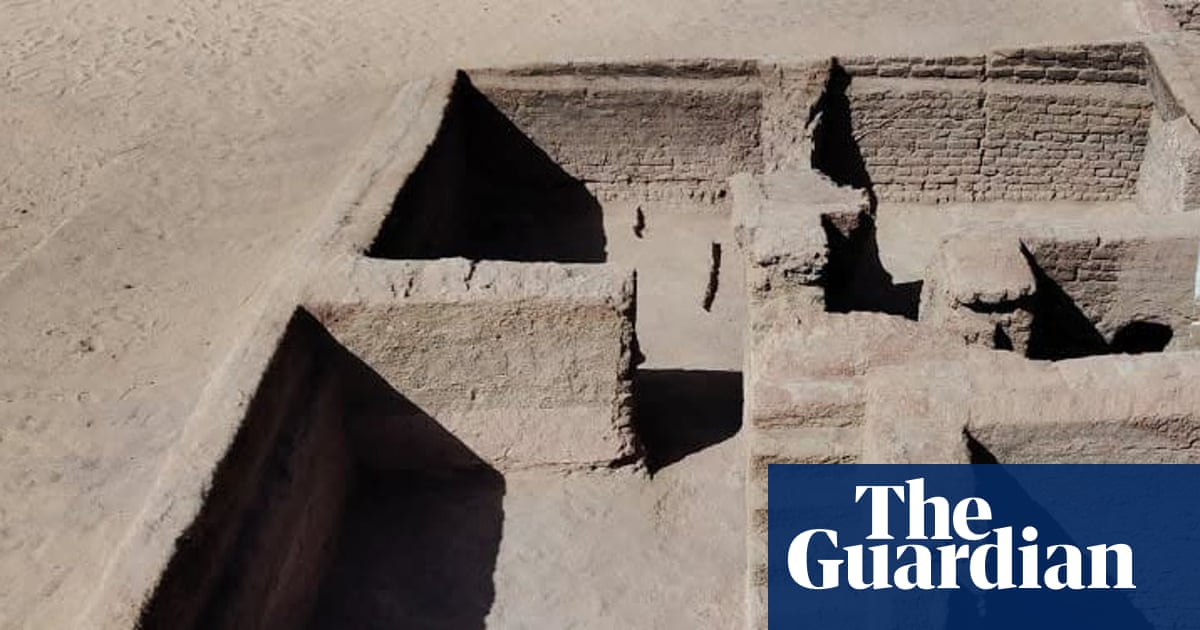
A breathtaking archaeological triumph has unfolded in Egypt’s vast western desert, where researchers have unveiled a remarkably preserved **ancient Byzantine city**. This momentous discovery, nestled within the Dakhla oasis, offers an unparalleled window into daily existence, urban planning, and the economic pulse of Egypt during its tenure as a vital part of the sprawling Byzantine empire. What secrets do its time-worn stones whisper from the fourth century?
The city’s residential and religious quarters, astonishingly intact, paint a vivid picture of bygone life. Intricate north-south thoroughfares, gracefully intersected by east-west streets, define the urban grid, creating charming open squares and communal spaces that once bustled with activity. Towering above the settlement’s main arteries stands a majestic basilica, dating back to the mid-fourth century. Furthermore, remnants of two sturdy watchtowers on the outskirts suggest a society keen on safeguarding its populace, while heavily fortified structures featuring robust defensive walls and houses complete with inviting reception halls and vaulted roofs attest to advanced architectural prowess.
Among the countless revelations is the house of Tisous, a church deacon from the latter half of the fourth century, believed to have served as a more intimate house church before the grand basilica’s construction. Archaeologists have also meticulously unearthed a treasure trove of artifacts: ancient bread ovens, bustling kitchens, an assortment of grinding tools, and a rich collection of bronze coins adorned with the visages of Byzantine emperors, Latin inscriptions, and potent Christian symbols. An intriguing cache of gold coins, specifically, dates to the reign of Roman emperor Constantius II (337-361 AD), providing precise chronological anchors for the settlement’s vibrant history. Moreover, an astonishing 200 pottery fragments, known as ostraca, serve as ancient scribblers’ pads, bearing inscriptions detailing commercial transactions, personal correspondence, and the intimate minutiae of daily life.
Echoes of a Flourishing Ancient Byzantine City Life
Simultaneously, a separate yet equally significant finding has emerged near Alexandria. At the Marina el-Alamein archaeological site, a total of 18 ancient tombs have been brought to light, swelling the site’s overall tally to 48. These include 11 impressive rock-cut tombs, some plunging eight meters deep, alongside seven surface-built limestone tombs. The funerary offerings are equally compelling: pottery vessels, amphorae, lamps, plates, altars, and limestone basins.
Perhaps the most arresting find at Marina el-Alamein is a 2.5-meter-long granite sarcophagus, its skeletal contents currently undergoing rigorous study. Close by, the weathered remains of a plaster sphinx statue stand sentinel. Intriguingly, four gold pieces, dubbed the “golden tongue,” were discovered within the mouths of some of the interred, a practice steeped in the funerary beliefs of the era. This ancient Greco-Roman port city of Leukaspis, thriving from the second to the fourth century, continues to yield secrets, enriching our understanding of a complex past. These collective findings are not merely historical footnotes; they are sprawling narratives etched in stone and earth, revealing the intricate tapestry of human endeavor in ancient Egypt. UNESCO recognizes the extraordinary value of such sites, and the Dakhla Oasis is already on its tentative list for global heritage recognition.
About the Author