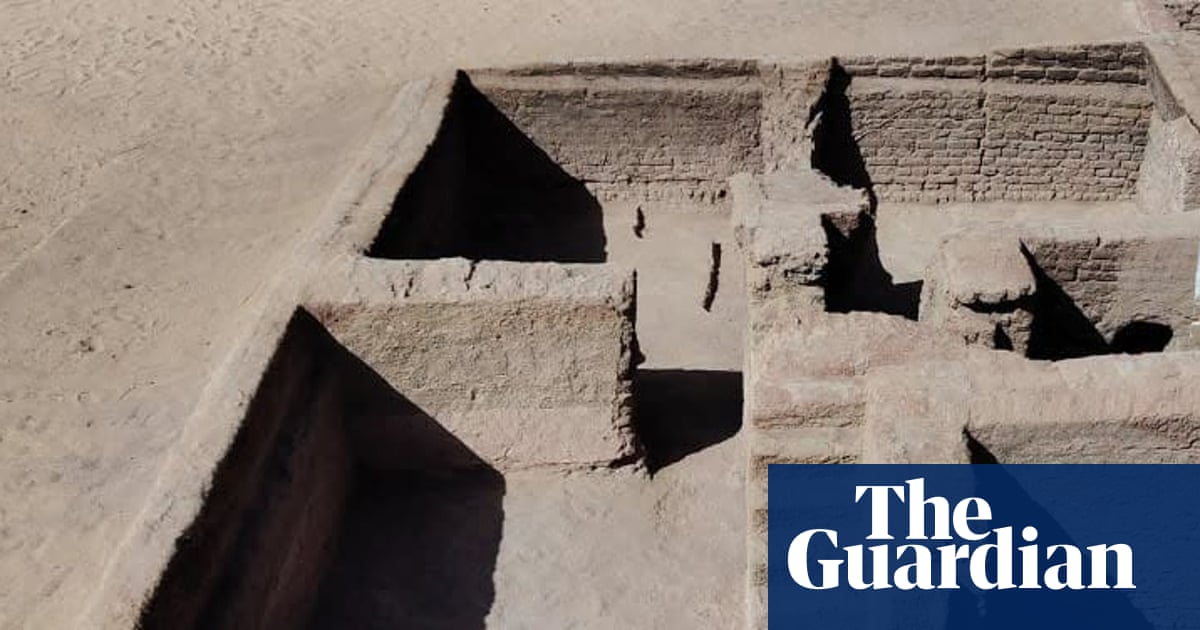
A spectacular archaeological breakthrough has gripped the world’s attention, with the discovery of a remarkably preserved Ancient Byzantine City deep within Egypt’s Western Desert. This monumental find, nestled in the Dakhla oasis, reveals an astonishingly detailed snapshot of daily life, urban planning, and economic activities during Egypt’s Byzantine era in the fourth century.
Archaeologists, working tirelessly, unearthed well-preserved quarters boasting residential and religious structures, including a magnificent basilica-style church. Alongside these architectural marvels, a treasure trove of artifacts surfaced: ancient coins, fragments of pottery, and an array of tools. The implications for understanding this period are immense.
Unearthing the Ancient Byzantine City’s Daily Life
The newly revealed settlement showcases sophisticated urban development. Imagine walking through north-south thoroughfares, gracefully intersected by east-west streets, leading to open squares and inviting public spaces. This deliberate layout paints a vivid picture of a bustling metropolis. At its heart stands a mid-fourth-century basilica, proudly overlooking the main arteries of what was once a vibrant hub. Remains of two sturdy watchtowers guard the outskirts, a testament to the city’s strategic importance and its need for defense.
Remarkably, the site, situated in Egypt’s New Valley governate, is already on UNESCO’s tentative list, signaling its profound global significance. Excavators found heavily fortified structures with impressive, thick defensive walls. Many houses, complete with reception halls and vaulted roofs, provide clues to domestic life. One notable discovery was the house of Tisous, a church deacon from the second half of the fourth century, believed to have served as a house church before the grand basilica’s construction. This vibrant Ancient Byzantine City offers an unprecedented window into a bygone era.
Further discoveries included bread ovens, kitchens, and stone grinding tools, hinting at the daily routines of its inhabitants. Bronze coins featuring portraits of Byzantine emperors, Latin inscriptions, and Christian symbols circulated, alongside a cache of gold coins from the reign of Roman emperor Constantius II (337-361 CE). Intriguing pottery fragments, known as ostraca, served as writing material, detailing everything from commercial transactions to personal correspondence. These finds underscore the extraordinary efforts in uncovering Egypt’s rich archaeological heritage.
But the sands of Egypt held yet more surprises. Separately, near Alexandria, archaeologists at Marina el-Alamein unearthed 18 ancient tombs. These included both rock-cut and surface limestone-built tombs, adding to the 30 already discovered at the site, bringing the total to 48. Within these burial sites, pottery vessels, amphorae, lamps, plates, altars, and limestone basins were found.
A monumental 2.5-meter-long granite sarcophagus, containing skeleton remains currently under study, was a standout find. Nearby, remnants of a plaster sphinx statue added to the intrigue. Fascinatingly, four gold pieces, referred to as “the golden tongue,” were placed in the mouths of some deceased, reflecting a distinct funerary belief system of that period. Marina el-Alamein, a site known since 1986, is believed to be Leukaspis, an ancient Greco-Roman port city that flourished until the fourth century.
About the Author