
Archaeologists uncover ancient Byzantine city in Egypt’s western desert
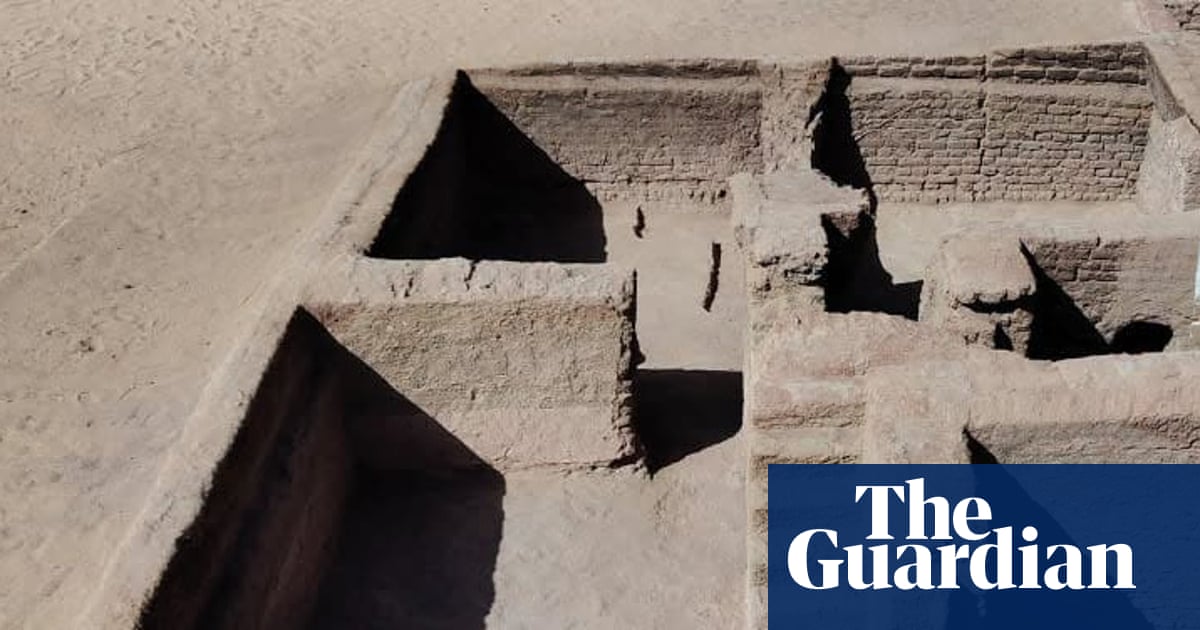
Egypt’s vast Western Desert has once again yielded a breathtaking secret! Archaeologists have announced the spectacular discovery of a remarkably preserved ancient Byzantine city within the Dakhla oasis, offering an unprecedented window into life during the fourth century. This monumental find illuminates urban development, economic activities, and daily routines from an era when Egypt flourished under the Byzantine Empire.
Unveiling the Ancient Byzantine City’s Secrets
The unearthed settlement, nestled deep in what is now Egypt’s New Valley governate, boasts an intricate layout of residential quarters and sacred sites. Researchers documented a basilica-style church, suggesting a thriving spiritual community. Beyond structural marvels, the site presented a treasure trove of artifacts: coins, delicate pottery fragments, and an array of tools, all hinting at a vibrant, self-sustaining populace.
Hisham el-Leithy, secretary general of the supreme council of antiquities, described a meticulously planned urban landscape. North-south thoroughfares crisscrossed by east-west streets, culminating in inviting open squares and public gathering places. Towering over this ancient metropolis, a magnificent basilica, dating to the mid-fourth century, proudly overlooked the main arteries. Additionally, the remains of two formidable watchtowers stood vigilant, guarding the city’s outskirts against unseen threats.
The Dakhla oasis, a jewel in Egypt’s western province, is already recognized on Unesco’s tentative list for its outstanding universal value. This latest discovery significantly bolsters its claim for full World Heritage status. Excavators further encountered robust, heavily fortified structures with impressive defensive walls. Many homes revealed sophisticated architectural features, including welcoming reception halls and distinctive vaulted roofs, a testament to the advanced building techniques of the period.
Among the specific revelations was the home of Tisous, a church deacon. Dating to the latter half of the 14th century, it is believed to have functioned as a house church long before the grand city basilica was erected. Culinary remnants abound; bread ovens, full-fledged kitchens, and an assortment of stone grinding tools painted a vivid picture of domestic life. Bronze coins, adorned with portraits of Byzantine emperors, Latin inscriptions, and potent Christian symbols, circulated freely here. Furthermore, a remarkable cache of gold coins, dating back to Emperor Constantius II’s reign (337-361 AD), underscored the economic prosperity of this ancient Byzantine city.
Diaa Zahran, head of the Islamic, Coptic and Jewish antiquities department, highlighted the discovery of approximately 200 ostraca – pottery fragments used as writing material. These fascinating pieces offer intimate glimpses into daily existence, from commercial transactions to personal correspondence, providing unparalleled insight into the social fabric of the time.
As if one astonishing find wasn’t enough, Egyptian archaeologists concurrently unveiled 18 ancient tombs at Marina el-Alamein, an archaeological site roughly 62 miles (100km) west of Alexandria. This separate, yet equally significant, discovery includes 11 meticulously carved rock-cut tombs, some plunging eight meters deep, alongside seven surface limestone-built tombs. The total number of tombs at Marina el-Alamein now stands at an impressive 48.
Within these burial grounds, a wealth of funerary objects emerged: pottery vessels, amphorae, lamps, plates, altars, and limestone basins. Eman Abdel-Khaliq, the mission chief, reported the dramatic find of a 2.5-meter-long granite sarcophagus, containing skeletal remains currently under intense study. Nearby, the partial remains of a plaster sphinx statue added to the mystique. Intriguingly, four gold pieces, dubbed “the golden tongue,” were discovered in the mouths of some deceased, a practice linked to ancient funerary beliefs. Marina el-Alamein, believed to be the ancient Greco-Roman port city of Leukaspis, thrived between the second and fourth centuries, reminding us of the rich tapestry of ancient Egyptian coastal life. For more fascinating archaeological discoveries, explore historical excavations worldwide.