
At least 44 dead after overcrowded ferry capsizes on Lake Kariba in Zimbabwe
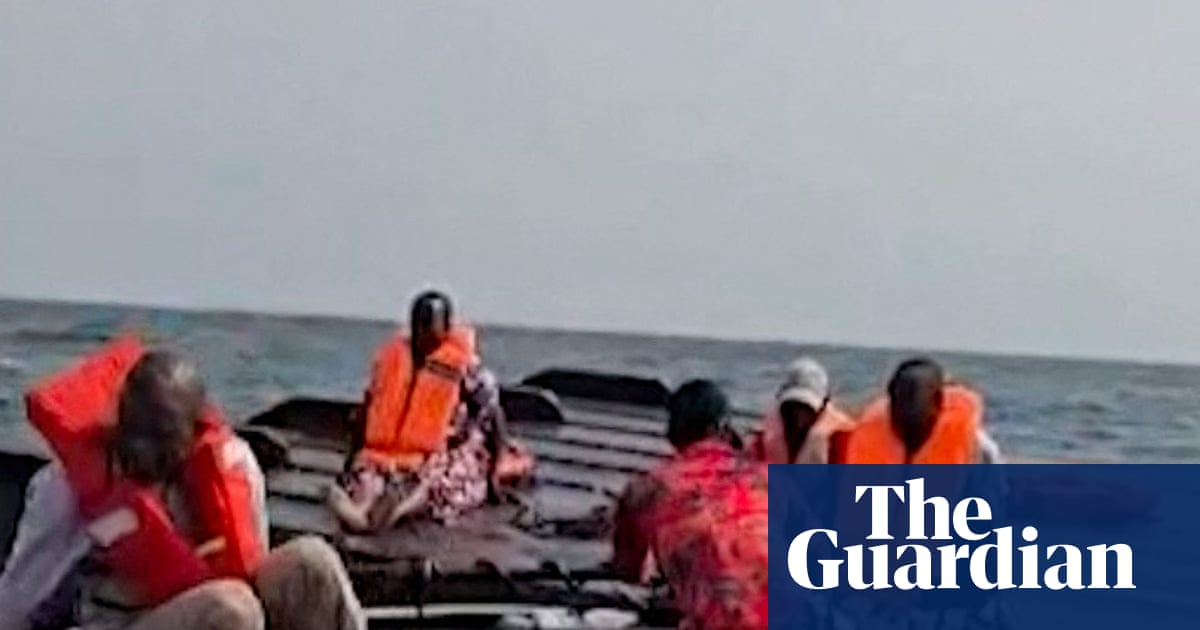
A catastrophic event has unfolded on the vast, often unpredictable waters of Lake Kariba, Zimbabwe, as an overcrowded Lake Kariba Ferry capsized, claiming the lives of at least 44 individuals. The incident, which occurred on Tuesday, has cast a somber shadow over the region, prompting an intensive search and rescue operation for dozens still missing. Authorities are grappling with the grim reality of a vessel carrying far beyond its legal capacity, turning a routine journey into an unimaginable disaster.
Initial reports from Zimbabwe’s civil protection unit (CPU) indicated the ferry, designed for a maximum of 90 passengers, was dangerously overloaded with 114 adults, five crew members, and an unspecified number of children. However, a harrowing account from a crew member later suggested as many as 153 souls were on board when the vessel succumbed to large waves. Passengers recounted the boat rapidly taking on water approximately 30 minutes after departing the lakeshore town of Kariba, bound for remote islands and fishing camps.
The Escalating Death Toll and Ongoing Rescue Efforts for the Lake Kariba Ferry
The grim count of fatalities has surged dramatically throughout Wednesday. Initially, the CPU reported 15 deaths and 27 missing. But in a harrowing sequence of updates, Zimbabwe’s police twice revised the death toll in a mere 32 minutes via social media posts. The figures climbed from 38 to a staggering 44 as more bodies were recovered from the lake’s depths. A specialized underwater team has been dispatched to aid the relentless search, a race against time to locate any survivors or additional victims.
Video footage, shared widely, depicts a chilling scene: individuals clinging desperately to the upturned hull of the Lake Kariba Ferry, surrounded by at least four speedboats rushing to their aid. A helicopter circles overhead, a beacon of hope against the backdrop of despair. Maxwell Kanhema Page, a media practitioner who originally captured and shared footage, described the lake that day as “angry.” Moments later, his phone was inundated with calls confirming the unimaginable – the ferry had sunk. “A sad day indeed,” he lamented.
Lake Kariba itself is an imposing geographical feature. The world’s largest human-made lake by volume, it stretches an impressive 150 miles along Zimbabwe’s northern border with Zambia. Conceived and constructed in the 1950s during British colonial rule through the damming of the Zambezi River, it stands as a critical hydroelectric power source for both nations, despite its creation displacing some 57,000 people.
Tragically, such incidents on these waters are not isolated. The dangers of navigating this immense body of water are well-documented. In 2014, 26 lives, including 24 children, were lost when a boat capsized on the Zambian side during independence day celebrations. More recently, in 2021, five people drowned on the Zimbabwean side. Just last year, in October 2023, three individuals were feared dead after another vessel overturned, and a police boat also capsized the month prior, though thankfully without fatalities. This pattern underscores a worrying trend regarding maritime safety on the lake.
The incident involving the ill-fated Lake Kariba Ferry serves as a stark, heart-wrenching reminder of the inherent risks when safety protocols are disregarded and vessels are pushed beyond their limits. As the search continues, questions loom large about enforcement, oversight, and preventing such a profound loss of life from ever happening again on Lake Kariba.