
Baraat Vs Badebandi: Why Rajasthan’s Winning Netas Have Nowhere To Hide This Wedding Season
Introduction & Key Takeaways
In the vibrant political landscape of Rajasthan, the intersection of democratic processes and cultural traditions has created a logistical nightmare for local parties. As the state undergoes its latest round of local body elections, a phenomenon known locally as badebandi, or resort politics, has hit an unexpected wall. With counting scheduled for November 20, political parties are scrambling to secure luxury accommodations to protect their elected representatives from potential poaching, only to find that the peak Indian wedding season has left no room at the inn.
- Rajasthan’s panchayat elections coincide with the auspicious wedding dates of the Devuthani Ekadashi.
- The lack of anti-defection laws at the local level necessitates the physical sequestration of winners.
- The convergence of tourism, weddings, and political corralling has created a severe shortage of suitable venues.
Background & Context (What Just Happened?)
Under the ambitious ‘One State, One Election’ initiative, thousands of candidates are competing for positions in panchayats and district councils across Rajasthan. In a state where political loyalties are fluid, the period immediately following the declaration of results is often marked by intense horse-trading. To prevent newly minted representatives from shifting allegiances, parties employ badebandi. This practice involves whisking away winning candidates to resorts, often confiscating their mobile phones and restricting their movement until the formal selection of leaders is complete.
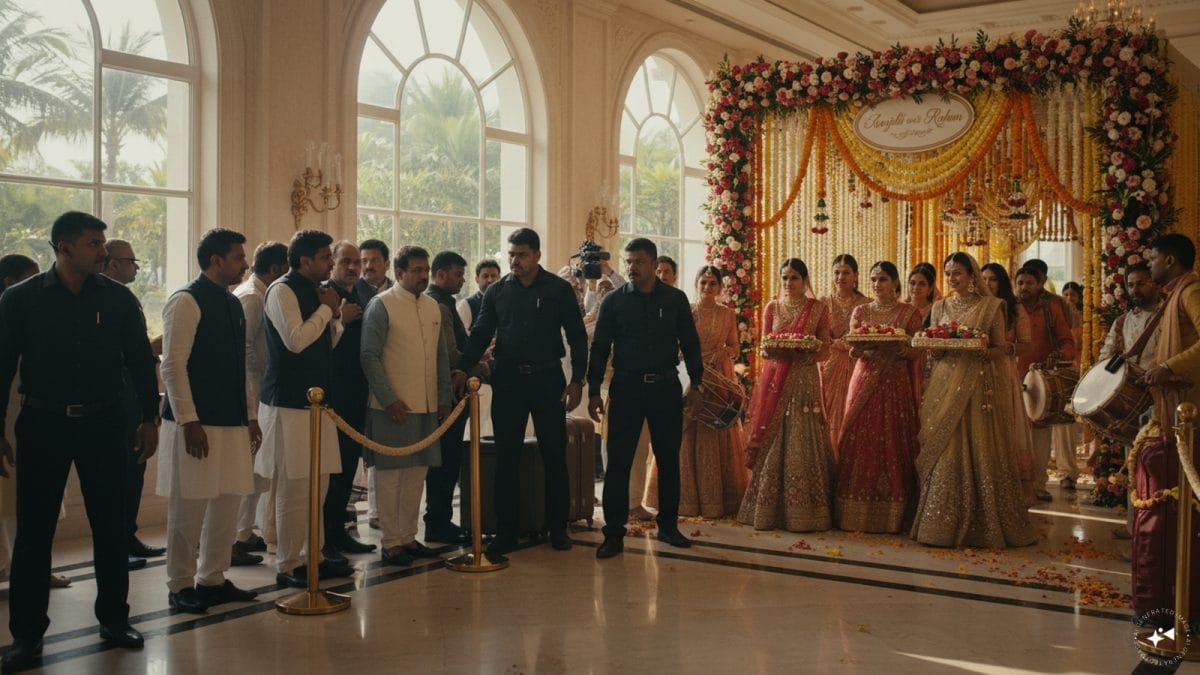
However, 2026 presents a unique calendar clash. The first post-monsoon, auspicious wedding period, known as sava, begins on November 20 and 21. Because these dates align perfectly with the election counting and subsequent leadership votes, political strategists find themselves competing for the same limited inventory of hotels as thousands of families planning elaborate wedding festivities.
Root Cause & Deep Dive Analysis (Why Did This Happen?)
The primary driver of this crisis is the absence of the anti-defection law in local body elections. Unlike state or national assembly members who face disqualification for switching parties, local representatives operate in a regulatory vacuum. They are free to follow their ‘voice of conscience’ (aatma ki aawaz) and vote for the highest bidder or the opposition, which inherently creates a culture of distrust.
Historical context reveals that this high-stakes game has been the standard for decades. Since 1967, when the Congress party under Mohanlal Sukhadia first utilized this tactic to secure a majority, the practice has become a staple of Rajasthan’s power plays. Whether it was the BJP in 1990 or various political crises in 2020, resort politics has remained a consistent, albeit controversial, strategy. The intensity of this demand has only increased as parties prioritize loyalty over democratic debate.
Strategic Implications & Future Impact (What Does This Mean Globally?)
The convergence of democratic elections and social events highlights the fragility of internal party discipline. When elected representatives must be kept in ‘royal captivity’ to ensure they adhere to their party’s platform, it raises fundamental questions about the maturity of local governance. Furthermore, the extreme shortage of hospitality venues reflects the broader economic pressures on infrastructure during peak seasons in a state that relies heavily on both tourism and seasonal migration for revenue. If parties cannot secure space to hide their candidates, we may witness a series of high-profile defections that could redefine local power structures before the end of the year.
Conclusion & What to Watch Next
As November 20 approaches, all eyes will be on both the banquet halls and the voting booths of Rajasthan. Will the political parties manage to secure their badebandi sanctuaries, or will the weight of the wedding season force a more transparent, albeit riskier, approach to building consensus? The saga of Rajasthan’s political candidates serves as a stark reminder of the complexities involved in maintaining party discipline in the absence of robust anti-defection legislation.