
YS Jagan Stages Protest Outside Andhra RO Office, Demands Repoll At All 80 Booths
Introduction & Key Takeaways
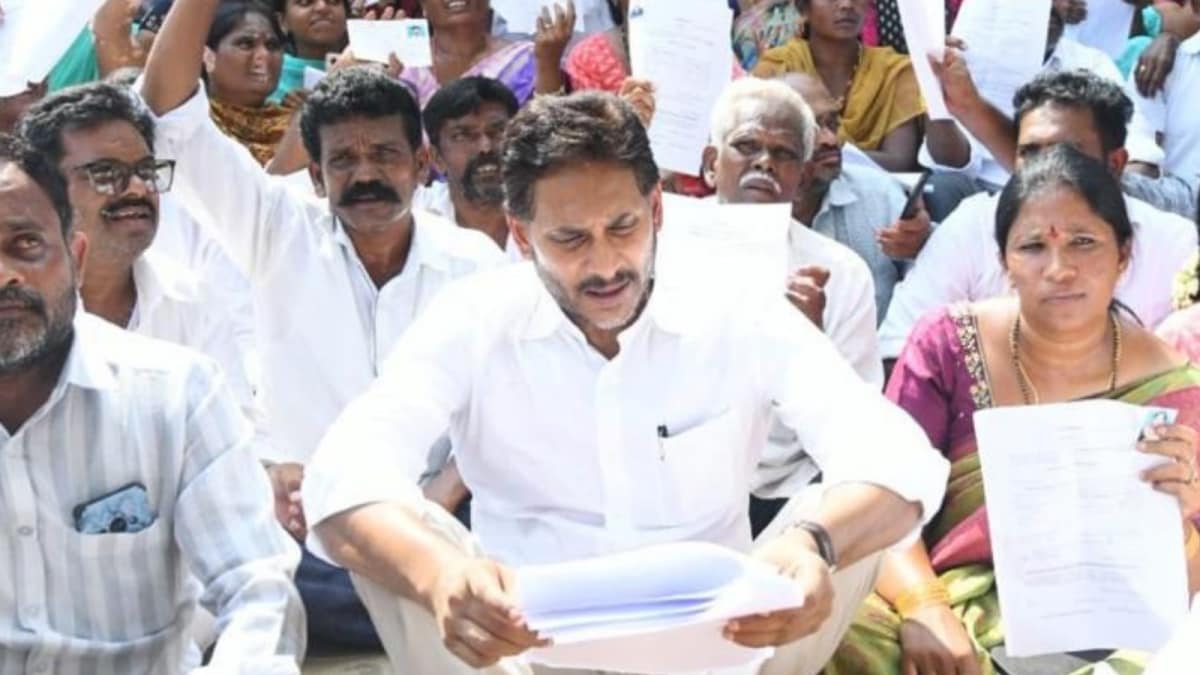
In a volatile turn of events within Andhra Pradesh, the political landscape witnessed a significant confrontation as YSRCP president and former Chief Minister YS Jagan Mohan Reddy staged a public protest. The former leader marched to the Returning Officer’s office in Pulivendula to air grievances regarding systemic failures during the municipal elections. This YS Jagan protest underscores the fragility of electoral oversight in local governance, sparking a debate over the sanctity of the democratic process in the state. Key takeaways from this incident include:
- YS Jagan Mohan Reddy demanded an immediate repoll across 80 polling booths, citing massive irregularities.
- The YSRCP leadership claims that agents were systematically barred from accessing 70 of those 80 booths.
- Accusations of violence and intimidation, including the tearing of authorization documents, have been leveled against ruling party cadres.
- The former CM has officially called for a high-level inquiry and the preservation of all digital and physical election evidence.
Background & Context (What Just Happened?)
The incident occurred on a Sunday during the critical local body polls in Pulivendula. As the voting process unfolded, reports of disruption began circulating, prompting the YSRCP to react aggressively. YS Jagan attempted to engage directly with the Returning Officer to highlight the obstruction of his party’s polling agents. Denied entry into the office, he opted for a sit-in demonstration, creating a high-stakes standoff. This event mirrors broader tensions often observed in local elections, where regional power dynamics frequently clash with official administrative procedures.
Root Cause & Deep Dive Analysis (Why Did This Happen?)
The core of the YS Jagan protest lies in the alleged systematic exclusion of opposition agents. Electoral transparency relies on the presence of party representatives to monitor proceedings. When these agents are barred, as alleged in the 70 booths, the entire legitimacy of the ballot is questioned. Observers note that such confrontations often stem from deep-seated animosity between the YSRCP and the ruling Telugu Desam Party (TDP). The accusations include the forced removal of agents and the mobilization of external workers to influence outcomes, a practice that historically destabilizes local governance.
The State Election Commission plays a pivotal role here, yet its inability to maintain order often leads to such explosive, on-ground resistance from high-profile political figures.
Strategic Implications & Future Impact
The decision to demand a repoll in all 80 booths is a strategic move to cast doubt on the ruling party’s mandate. If the allegations are substantiated, the implications for the current administration in Andhra Pradesh could be severe, potentially leading to legal battles or administrative intervention. Such incidents have wider consequences, as seen in other contexts, such as when protests turn violent in other regions, forcing authorities to re-evaluate security and transparency measures. The political future of the region now depends on how the election authorities handle these specific demands for evidence preservation, including CCTV footage and official records.
Conclusion & What to Watch Next
The YS Jagan protest serves as a stark reminder that even in local elections, the stakes remain incredibly high. As Jagan continues to press for a full-scale inquiry and the involvement of the District Superintendent of Police, all eyes are on the potential for a re-vote. Political observers must watch whether the state authorities will cave to the pressure of these allegations or hold their ground, potentially escalating the conflict. For the voters of Pulivendula, the primary concern remains the restoration of trust in an electoral system that appears, at least for now, to be under a cloud of deep suspicion.