The specter of rising prices looms large over Canadian households, as Canadian inflation soared to an alarming 29-month high in May, reaching 3.2 percent. This significant jump, largely propelled by escalating global oil prices linked to geopolitical tensions, marks a critical juncture for the nation’s economic stability.
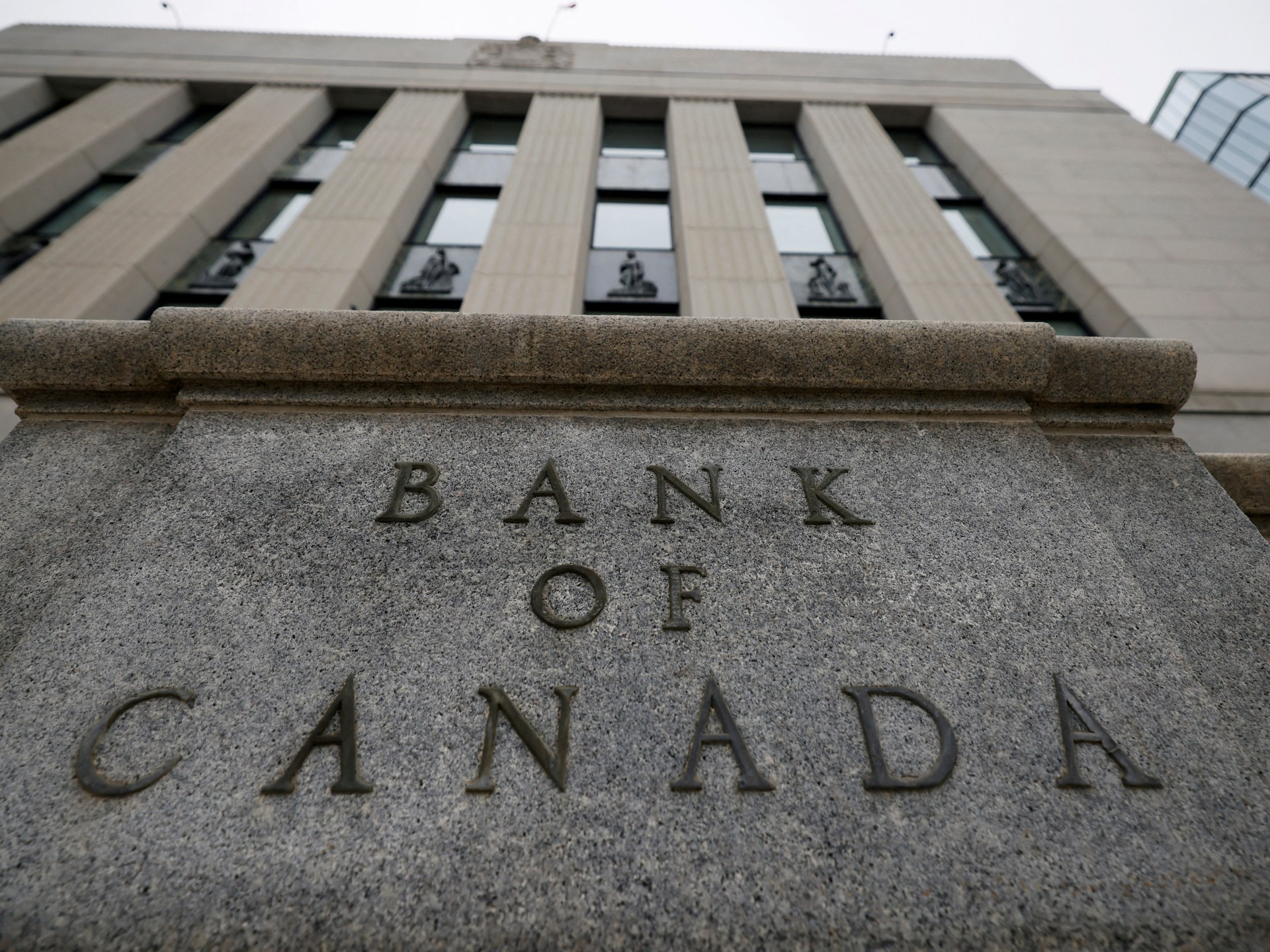
Statistics Canada’s latest release confirms what many consumers have felt at the pump and in grocery aisles: headline inflation has now breached the Bank of Canada’s long-held target range of one to three percent for the first time in nearly two and a half years. This development, though potentially transient, immediately raises questions about future monetary policy.
“It’s never good news to see the overall inflation rate track above three percent, even if it is for one month only,” remarked Doug Porter, chief economist at BMO Capital Markets, reflecting a sentiment shared across the financial sector. Indeed, the monthly inflation rate alone surged by a full percentage point in May, the sharpest gain observed in 15 months.
Unsurprisingly, petrol prices spearheaded this dramatic escalation, skyrocketing an astounding 33.2 percent annually in May. Such an increase, the highest recorded since the full-scale Russian invasion of Ukraine, reverberated throughout the economy, directly impacting transportation costs which subsequently climbed 9 percent month-over-month.
Understanding the Surge in Canadian Inflation
But the inflationary pressure wasn’t confined solely to fuel. Overall consumer prices climbed 2.2 percent year-over-year, reflecting heightened expenditures across various sectors. Food prices, a constant concern for many families, jumped 3.8 percent in May. Fresh fruit saw a 5.3 percent increase, while vegetables experienced an even steeper 9 percent rise. Even shelter costs increased by 1.7 percent, although a slight reduction in mortgage costs offered a minor offset. This latest data point on Canadian inflation from Statistics Canada reveals a concerning trend, pushing the rate beyond the Bank of Canada’s comfort zone of one to three percent for the first time in over two years.
Despite these alarming figures, the Bank of Canada, having previously indicated limited evidence of energy prices broadly fueling inflation, may not immediately alter its assessment of underlying inflationary pressures. However, public and political scrutiny intensifies. Understanding national economic policy is more crucial than ever.
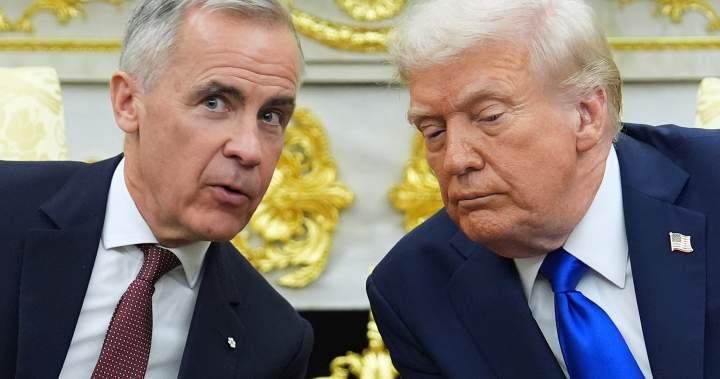
Prime Minister Mark Carney now faces a palpable political challenge. Having secured a parliamentary majority in April on a platform promising to tackle affordability, rising living costs put his administration squarely on the defensive. The everyday financial strain on citizens is undeniable.
Yet, a glimmer of potential relief exists. Following an interim peace deal between the United States and Iran last week, aimed at de-escalating US-led tensions, oil prices have already begun to reverse course in June. This agreement, critically, involved the reopening of the Strait of Hormuz, a vital conduit for approximately 20 percent of global oil supply. “The US-Iran agreement to reopen the Strait of Hormuz has caused oil prices to fall sharply in June, so May will likely represent the near-term peak for headline inflation,” noted Michael Davenport, Senior Canada Economist at Oxford Economics. Economists are closely watching these figures, debating whether this spike in Canadian inflation is a temporary blip or indicative of deeper, more persistent price pressures. Still, Davenport cautioned, “There’s still plenty of uncertainty about the durability of the ceasefire, and the risk of a resurgence in oil prices remains elevated.” The path for Canadian inflation remains uncertain, but a potential easing of global oil tensions offers a cautiously optimistic outlook.
About the Author