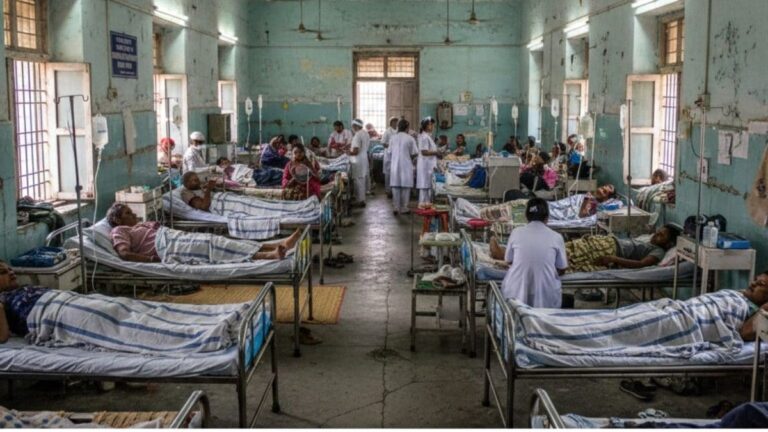
Canadians are experiencing unprecedented delays when seeking urgent medical attention. A recent report from the Canadian Institute for Health Information (CIHI) paints a grim picture, revealing a dramatic surge in Emergency Department Wait Times across the nation, leaving countless patients languishing for hours, even days, before receiving crucial inpatient care.
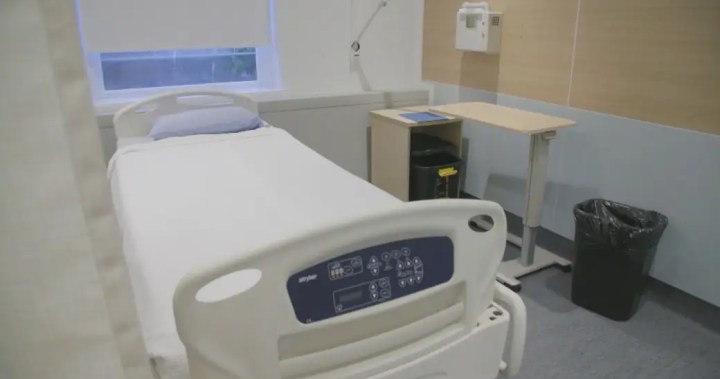
The data for 2024-25 is alarming: one in ten admitted patients, approximately 180,000 individuals, endured over 48 hours awaiting an inpatient bed. Furthermore, around 1.5 million people spent more than 14 hours in emergency rooms during the same period – a staggering 28 per cent jump since 2018–2019. CIHI’s findings underscore a system under immense strain, grappling with overcrowding, persistent staffing shortages, and a glaring lack of bed capacity unable to keep pace with escalating demand. Older adults and those managing chronic conditions like diabetes or high blood pressure disproportionately bear the brunt of these extended waits. Such protracted delays for physician assessment carry severe risks, potentially worsening clinical conditions and increasing the likelihood of adverse events, according to the report. For more details on these concerning trends, refer to the new data released by CIHI.
Understanding Escalating Emergency Department Wait Times
Cheryl Chui, CIHI’s director of health system analytics, pinpoints the root cause: pressures originating well beyond the emergency department walls. Patients presenting with increasingly complex needs, coupled with significant bottlenecks in moving discharged patients to the next level of care – whether home care, long-term facilities, or rehabilitation centres – exacerbate the problem. These systemic pressures collectively inflate Emergency Department Wait Times, indicating that genuine improvement necessitates a holistic, system-wide approach. Age, notably, emerged as a key factor; older patients, often with multiple comorbidities or requiring isolation, face longer waits for appropriate beds. Patients ready for discharge to community care settings spend an average of 24 additional days in hospital inpatient units, further clogging the system.
Dr. Michael Howlett, a physician and former president of the Canadian Association of Emergency Physicians, emphatically states that this critical sector of Canada’s healthcare system demands urgent rectification. He highlights the aging population with complex health issues, requiring extensive hospital care and robust community support post-discharge. Dr. Howlett stresses the societal imperative to prioritize care for the elderly and frail. Adding to the crisis, ongoing staffing shortages have forced temporary closures of emergency departments, disproportionately impacting rural and remote communities. Many residents in these areas face a “high or very high travel burden” for specialized care, a predicament Dr. Howlett fears will not abate quickly due to limited increases in specialist emergency positions. Chui reiterates that addressing Emergency Department Wait Times demands coordinated action across the entire health system – encompassing primary care, hospitals, home and community care, and long-term care – rather than isolated efforts.
About the Author