
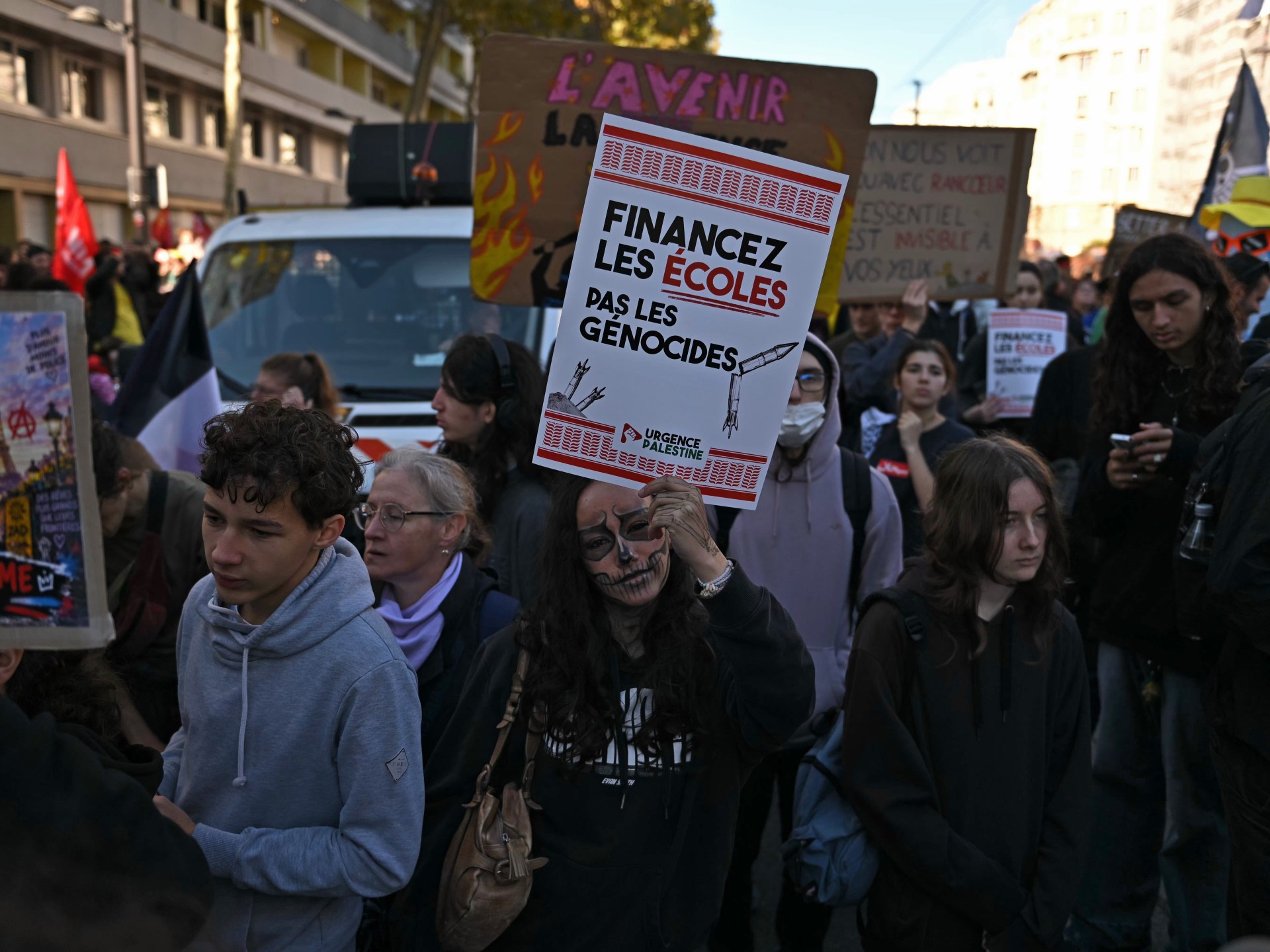
French school protests resume on small scale as students return from break
Introduction and Key Takeaways
As French pupils return from their autumn holiday break, the intensity of the student-led movement has entered a complex, shifting phase. While the French school protests have resumed on a diminished scale, the underlying grievances remain potent and unresolved. The current situation represents a critical juncture for the administration, as it attempts to balance economic austerity with public demands for educational reform. Key takeaways include the government’s attempt to isolate protesters by labeling blockades as illegal, the strategic expansion of the movement to include cost-of-living concerns, and the continued friction between youth activists and state authorities.
Background and Context: What Just Happened?
The student unrest, which originated in the Parisian suburbs during September, has evolved into a nationwide phenomenon. Initially confined to grievances regarding the Parcoursup university admissions platform and general educational infrastructure, the movement has broadened. The recent return of students to classrooms has seen only 41 schools, or roughly one percent of the total, experiencing blockades. Education Minister Edouard Geffray has characterized these incidents as marginal, emphasizing that while the right to protest exists, obstructing school access remains a violation of the law. This follows a period of intense activity where hundreds of schools were affected, often resulting in broader social friction similar to the civil disturbances observed in other European nations.
Root Cause and Deep Dive Analysis: Why Did This Happen?
The core of these French school protests lies in a profound disconnect between the student body and the current educational policy framework. The Parcoursup system, which governs university entrance, is viewed by many as an instrument of social stratification, inadvertently limiting the aspirations of pupils from marginalized backgrounds. Furthermore, the decay of physical school infrastructure has become a powerful symbol of state neglect. The movement has tapped into a deeper reservoir of frustration regarding inflation and economic stability, drawing support from trade unions and broader political activists. This intersection of educational reform and economic survival has challenged the legitimacy of the administration’s fiscal strategy.
Strategic Implications and Future Impact: What Does This Mean Globally?
Globally, France often serves as a barometer for continental social stability. The ability of a minority government to manage such persistent dissent is being closely watched by international observers. The government has already conceded to several demands, including the planned 2028 phasing out of the controversial admission platform and a promise of 4 billion euros for school infrastructure. However, these fiscal commitments add further pressure to a stretched national budget. As noted by historical observers of French civil movements, when student advocacy aligns with broader economic grievances, the potential for political realignment increases. Future success for the state depends on whether these promises of reform can be delivered before the next wave of civil unrest reaches a boiling point.
The Evolving Nature of Youth Activism
The resilience shown by student organizations like the Union Syndicale Lyceenne indicates that the current lull in physical blockades may be tactical rather than a retreat. By calling for “black days” at universities, the movement is attempting to shift the disruption from the secondary school level to higher education, where the impact on economic productivity is more pronounced. The strategy reflects an increasingly sophisticated approach to political leverage, moving beyond local school grievances to a direct challenge of the state’s administrative capacity.
Conclusion and What to Watch Next
The trajectory of the French school protests will likely depend on the government’s ability to implement promised reforms with tangible speed. The coming weeks are critical, particularly as student unions prepare for further nationwide demonstrations. If the administration fails to bridge the gap between its policy framework and the students’ expectations, it risks reviving a larger movement that could once again merge with broader, systemic anti-government sentiments. We must continue to watch for signs of reconciliation, or conversely, further escalation as the 2028 reform timeline remains under intense public scrutiny.