
Indigenous cultural burn near Osoyoos revives traditional fire stewardship
Introduction and Key Takeaways
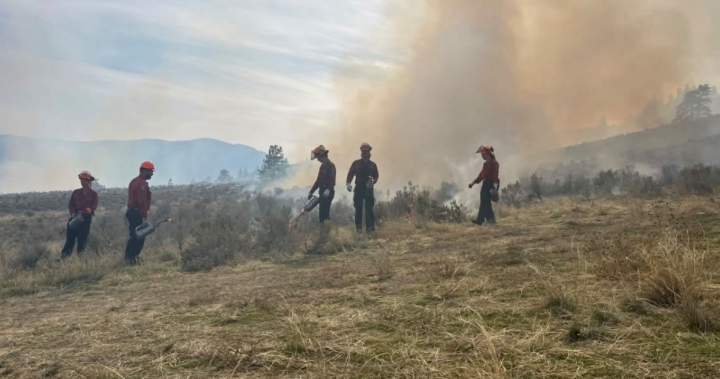
The recent collaborative effort between the Lower Similkameen Indian Band and the B.C. Wildfire Service highlights a pivotal shift in environmental management. By conducting an Indigenous cultural burn near Osoyoos, these groups are proving that ancient ecological wisdom remains highly relevant in the face of modern climate challenges. This initiative represents more than just fire suppression; it is a movement toward land restoration and shared sovereignty.
- Indigenous traditional knowledge is being formally integrated with Western wildfire science.
- Controlled burns effectively clear hazardous fuel loads, such as overgrown sagebrush, to restore natural grasslands.
- Collaboration across jurisdictions is essential for successful regional fire mitigation strategies.
Background and Context
For generations, the practice of fire stewardship was actively suppressed by government policies. These restrictive laws effectively broke the cycle of controlled, small scale burns that Indigenous communities utilized for centuries to maintain healthy ecosystems. Today, we are seeing a reversal of this history. The 160-hectare project in the Nighthawk Road area serves as a powerful testament to the resurgence of these practices. By reintroducing fire to the landscape, the band is not only preventing future catastrophic wildfires but also healing the relationship between the community and their ancestral territory. This transition from total fire suppression to active management reflects a broader, global shift in prescribed burning methodologies.
Root Cause and Deep Dive Analysis
Why is this happening now? The intensification of wildfire seasons, driven by changing weather patterns and decades of fuel accumulation, has forced emergency managers to rethink their approach. For decades, the Western approach was to extinguish every spark as quickly as possible. This led to an overgrowth of vegetation, creating a tinderbox environment. Julia Peterson, a councillor with the Lower Similkameen Indian Band, emphasizes that this initiative is as much about ceremony as it is about safety. The connection to the land is a vital component of cultural identity. When the community participates in these burns, they are engaging in a reciprocal relationship with the local environment. This is a crucial element of Canada wildfire policy evolution. By removing invasive brush and promoting native grasses, the band is restoring a biodiversity balance that existed before colonial intervention.
Strategic Implications and Future Impact
The success of the Nighthawk Road project holds significant implications for how agencies nationwide handle environmental hazards. Justin Smith, representing the Lower Similkameen Indian Band Emergency Management, aptly notes that fire does not respect administrative boundaries. As our climate warms, the necessity for a unified, cross-jurisdictional approach becomes undeniable. This partnership serves as a scalable model for other First Nations and government entities. It demonstrates that integrating traditional ecological knowledge with high-tech monitoring can produce superior results compared to siloed operations. The economic impact is equally profound, as proactive fuel management significantly lowers the long-term costs associated with emergency response, property damage, and ecosystem rehabilitation.
Conclusion and What to Watch Next
The revival of the Indigenous cultural burn is a hallmark of reconciliation in practice. Moving forward, observers should monitor how provincial and federal authorities adapt their legal frameworks to facilitate more of these controlled interventions. The integration of science and culture is not just a trend, but a necessary strategy for future environmental resilience. As the Lower Similkameen Indian Band continues its work, the broader message remains clear: the path to community safety lies in listening to those who have stewarded the land for millennia. The integration of Indigenous cultural burn techniques will likely define the next decade of forest management policy across British Columbia and beyond.