
‘Absence From Draft SIR Roll Doesn’t Amount To Deletion’: ECI Tells Bombay High Court
Introduction & Key Takeaways
The integrity of democratic participation hinges on the accuracy of voter rolls, a mechanism that has recently faced scrutiny in India. The Election Commission of India (ECI) recently informed the Bombay High Court that a voter’s name missing from a draft electoral roll under the Special Intensive Revision (SIR) process does not automatically signify a deletion. This clarification addresses growing concerns regarding the transparency of electoral updates, particularly in regions like Goa where constituents have reported unexpected removals from the voting registry. Understanding the nuances of how the ECI manages these lists is vital for any citizen concerned about their franchise.
- The ECI distinguishes between Special Summary Revision (SSR) and the more rigorous Special Intensive Revision (SIR).
- Missing names from a draft roll are not necessarily deletions but may be a byproduct of a ground-up rebuilding exercise.
- The legal challenge highlights potential administrative bottlenecks in processing address-change applications, such as procedural delays during high-stakes revisions.
- Citizens must proactively verify their status during the draft publication phase to ensure their voting rights remain intact.
Background & Context
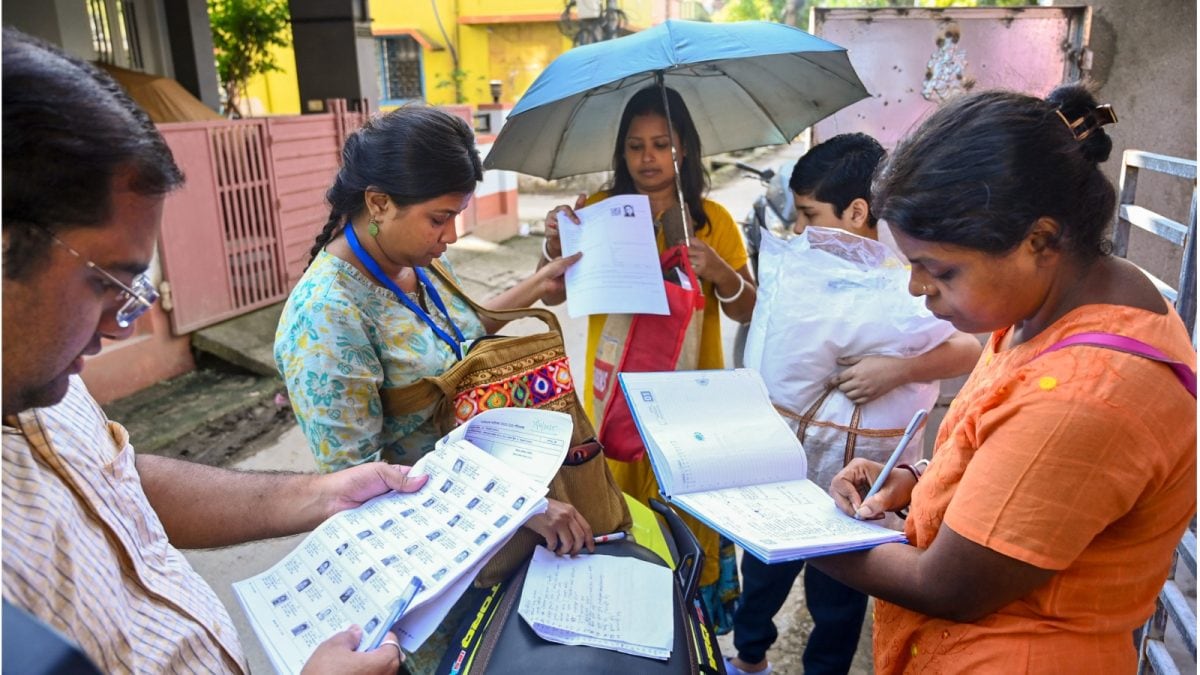
What just happened involves a legal battle brought forth by six family members from the St Cruz constituency in Goa. These petitioners alleged their names were removed from electoral rolls without due process during the latest revision exercise. The ECI, represented by Senior Advocate Ashutosh Kumbhakoni, argued that the Special Intensive Revision is a fundamental reconstruction of the voter database. Unlike a standard annual update, which merely maintains an existing list, the intensive process demands a fresh enumeration. This creates a scenario where an individual may appear to have been removed, when in reality, the entire system is being reset to reflect current ground realities.
Root Cause & Deep Dive Analysis
The root cause of this confusion lies in the friction between administrative efficiency and individual verification rights. The ECI emphasizes that the Special Intensive Revision is a vital tool for removing ghost voters and ensuring accuracy, yet the process is inherently disruptive. When a citizen attempts to change their address or verify their status, they often encounter bureaucratic hurdles. In the case before the Bombay High Court, the petitioner experienced a series of delays involving Booth Level Officers (BLOs) and the filing of Form 8. By the time their application reached the Electoral Registration Officer, the window for objections had passed. Such gaps between administrative action and public notification frequently lead to the disenfranchisement of eligible voters. For more insights on the broader challenges facing voters, one might look at resources like Wikipedia, which details the historical development of Indian electoral procedures.
Strategic Implications & Future Impact
The judiciary’s role in overseeing the Special Intensive Revision is critical. While the court may not challenge the ECI’s technical methodology, the case underscores a systemic need for better communication channels. If the ECI intends to build rolls from scratch, it must implement a more robust feedback loop to ensure that citizens, especially those undergoing life changes like moving residences, are not caught in the middle of a bureaucratic limbo. Future impacts of this legal scrutiny could include mandated reforms in how address-change requests are prioritized during intensive revision cycles. If the courts rule in favor of the petitioners, the ECI may be forced to extend objection windows or adopt more transparent digital tracking for status applications.
Conclusion & What to Watch Next
As the Bombay High Court reserves its verdict, the outcome will serve as a precedent for how the ECI conducts voter registry updates nationwide. Voters should remain vigilant during the draft roll publication phases. Ensuring your information is correctly updated before official deadlines remains the most effective defense against accidental removal. Moving forward, observers should monitor whether the ECI introduces automated, real-time status updates for applicants to mitigate the risk of being left without a voice in the electoral process. For ongoing analysis on election-related developments, keep an eye on court proceedings and official gazette notifications.