
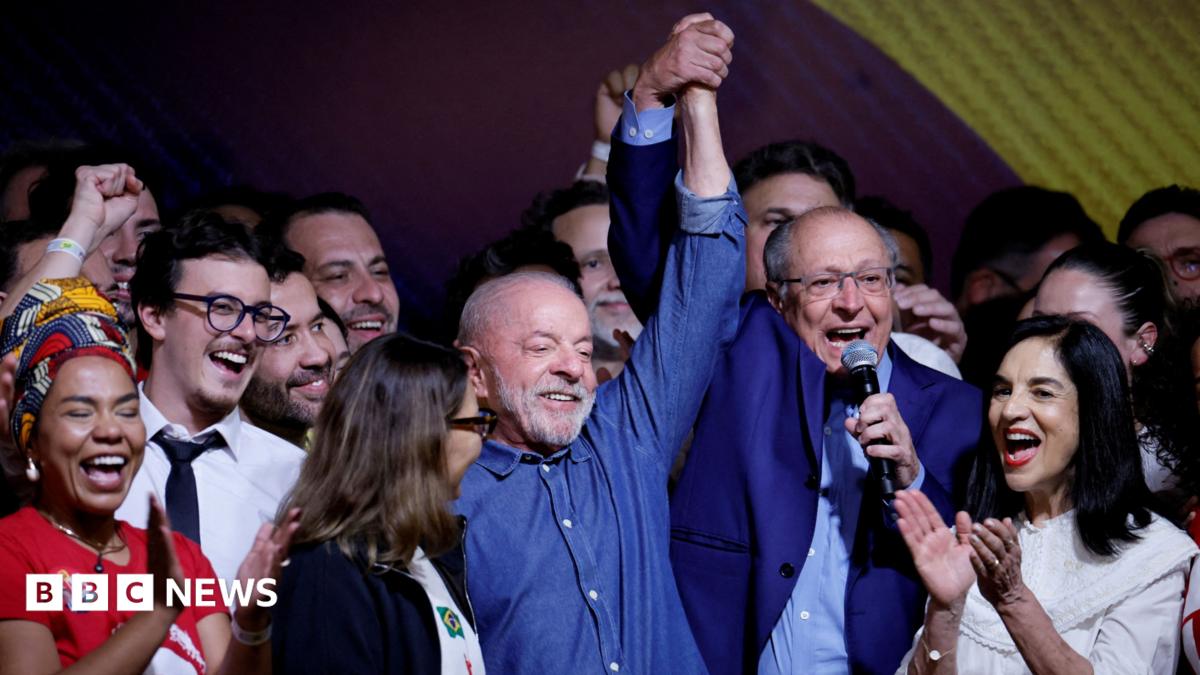
Lula wins fourth term in dramatic Brazil election comeback
Introduction & Key Takeaways
In a historic political development, Luiz Inácio Lula da Silva has secured a fourth term as the President of Brazil. This triumph marks a stunning comeback, as he becomes the first leader since the restoration of civilian rule in 1985 to overcome a first round defeat to win the presidency. The result has sent shockwaves through the region, signaling a potential shift in the trajectory of South American geopolitics. Key takeaways from this election include:
- Lula won 51.79% of the vote, securing a narrow but decisive victory over Flávio Bolsonaro.
- The election saw the largest reduction in voter abstention since 1989, reflecting intense public engagement.
- Despite the clear outcome, the challenger has refused to concede, requesting an annulment.
- Lula’s administration will face immediate challenges from a hostile Congress and a deeply polarized population.
Background & Context (What Just Happened?)
The 2026 presidential election in Brazil was defined by high tension and significant procedural hurdles. Initially, Flávio Bolsonaro, the son of the former president who is currently incarcerated for coup attempts, led the first round of voting with 47% to Lula’s 45%. This led many analysts to predict a right-wing consolidation. However, the dynamics shifted rapidly during the runoff phase. An unusual decision by the Supreme Court to extend polling hours by two hours sparked controversy, though officials maintained the integrity of the count remained intact. The final tally gave Lula 51.79% of the vote, a gap of 4.4 million ballots.
Root Cause & Deep Dive Analysis (Why Did This Happen?)
The primary driver of this electoral upset was a massive, last-minute mobilization effort by the leftist coalition. Recognizing that 33 million voters had abstained in the initial round, Lula’s campaign focused heavily on ground-level organization and voter turnout. This strategy successfully reversed the momentum. The political landscape of Brazil remains fragmented, and democratic shifts often follow periods of intense social volatility. Lula’s victory, while significant, highlights a society caught between traditional progressive policies and a resurgent right wing that is currently challenging the legitimacy of established institutions.
Strategic Implications & Future Impact (What Does This Mean Globally?)
Lula’s victory arrives at a critical juncture for the Western Hemisphere. His campaign rhetoric specifically rejected the influence of external powers, most notably pushing back against the ideological framework dubbed the Donroe Doctrine. This stance creates a clear point of friction with the United States administration. Brazil’s international posture is expected to lean toward reinforcing the Global South, aiming to diversify trade partners and strengthen regional alliances. For more on the complexity of legal and institutional battles that often accompany these transitions, one might consider the recent analysis of judicial roles in election certification.
Furthermore, Brazil’s role in global climate discussions and commodity markets will be under intense scrutiny as Lula prepares to navigate a hostile Congress. His promise to prioritize the needs of the working class against the backdrop of an uncertain global economy will be the true test of his fourth term. The refusal of Flávio Bolsonaro to accept the results reflects a persistent trend of post-election denialism that could complicate the governance process throughout 2026 and beyond.
Conclusion & What to Watch Next
As the transition phase begins, all eyes remain on the judicial response to the annulment requests and the legislative landscape. The inauguration, scheduled for January 5, will serve as the first real test of Lula’s ability to govern a divided nation. Observers will be closely monitoring his initial cabinet appointments and any immediate executive actions aimed at undoing the policies of his predecessor’s allies. This election in Brazil serves as a reminder that political resilience is a hallmark of modern Latin American governance, yet the path ahead for the nation remains perilous, complex, and highly unpredictable.