
President Zelenskyy says US elections will impact war in Ukraine
Introduction & Key Takeaways
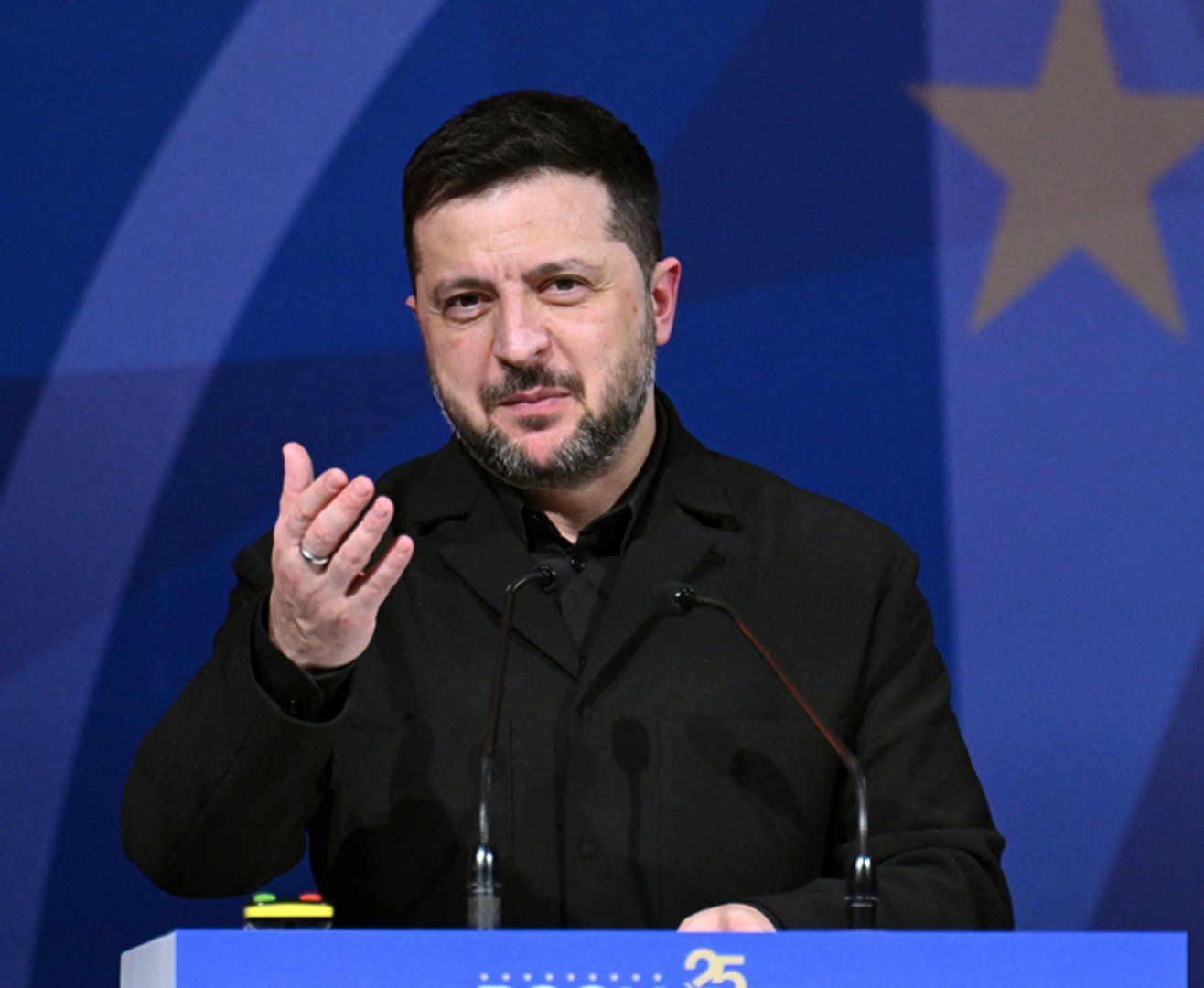
As the international community watches the American political landscape, the significance of the 2026 midterm elections extends far beyond domestic policy. Ukrainian President Volodymyr Zelenskyy recently addressed a security conference in Germany, emphasizing that the US elections will impact the ongoing war in Ukraine. The stakes are immense, as the outcome of these polls could reshape the diplomatic and military support framework for Kyiv. Key takeaways include:
- The future of US military aid remains tethered to legislative shifts in Congress.
- Zelenskyy has publicly acknowledged the necessity of sustained partnership with Washington.
- The global security architecture is currently undergoing a stress test linked to American voter sentiment.
Background & Context
The conflict in Ukraine has entered a phase where external political variables are as decisive as battlefield maneuvers. Since the inception of the full scale invasion, the United States has served as the primary guarantor of military and financial assistance to the Ukrainian government. As noted in past reports, global leaders like Zelenskyy have frequently sought to open pathways to dialogue, such as his earlier attempt to facilitate high level discussions through summits in the Middle East, as seen in Ukraine’s Zelenskyy hopes Abu Dhabi talks will open path to Putin meeting. The current security environment in Europe is fragile, and the volatility of political support creates uncertainty for long term strategic planning.
Root Cause & Deep Dive Analysis
Why do these domestic American polls hold such weight for a European sovereign nation? The answer lies in the nature of modern congressional power. The US executive branch is often limited by legislative purse strings, which are directly influenced by the composition of the Senate and House of Representatives. When electoral shifts occur, the appetite for foreign intervention and expensive aid packages often faces intense scrutiny. This dynamic forces a recalibration of international relations. The US elections are not merely a domestic exercise in democracy, but a barometer for the future of transatlantic stability. Historical precedent suggests that isolationist trends within major donor nations can drastically alter the trajectory of proxy and defensive conflicts, leaving recipient nations to face supply chain ruptures or strategic pivots.
Strategic Implications & Future Impact
The geopolitical reality is that the US elections hold the power to dictate the pace and volume of modern warfare support. A shifting legislative majority might favor a reduction in aid in exchange for rapid negotiation mandates, a scenario that Kyiv views with extreme caution. Conversely, continued robust support would signal to international aggressors that the commitment to sovereign territorial integrity remains a cornerstone of US foreign policy. As we observe the US foreign policy apparatus, it becomes clear that the outcome is less about one specific candidate and more about the collective will of the American legislative body. If the support structure changes, European allies may find themselves scrambling to fill a massive funding and resource gap, a daunting prospect that could force a premature and disadvantageous end to the hostilities.
Conclusion & What to Watch Next
The US elections remain a pivotal moment in the timeline of the Ukraine conflict. As results trickle in, the focus will shift from the ballot box to the halls of power, where policy implementation begins. Observers should keep a close eye on budget committees, legislative bills related to foreign defense grants, and the rhetoric of newly elected officials regarding global security commitments. The world remains in a state of watchful waiting as the impact on the war in Ukraine unfolds in real time.