
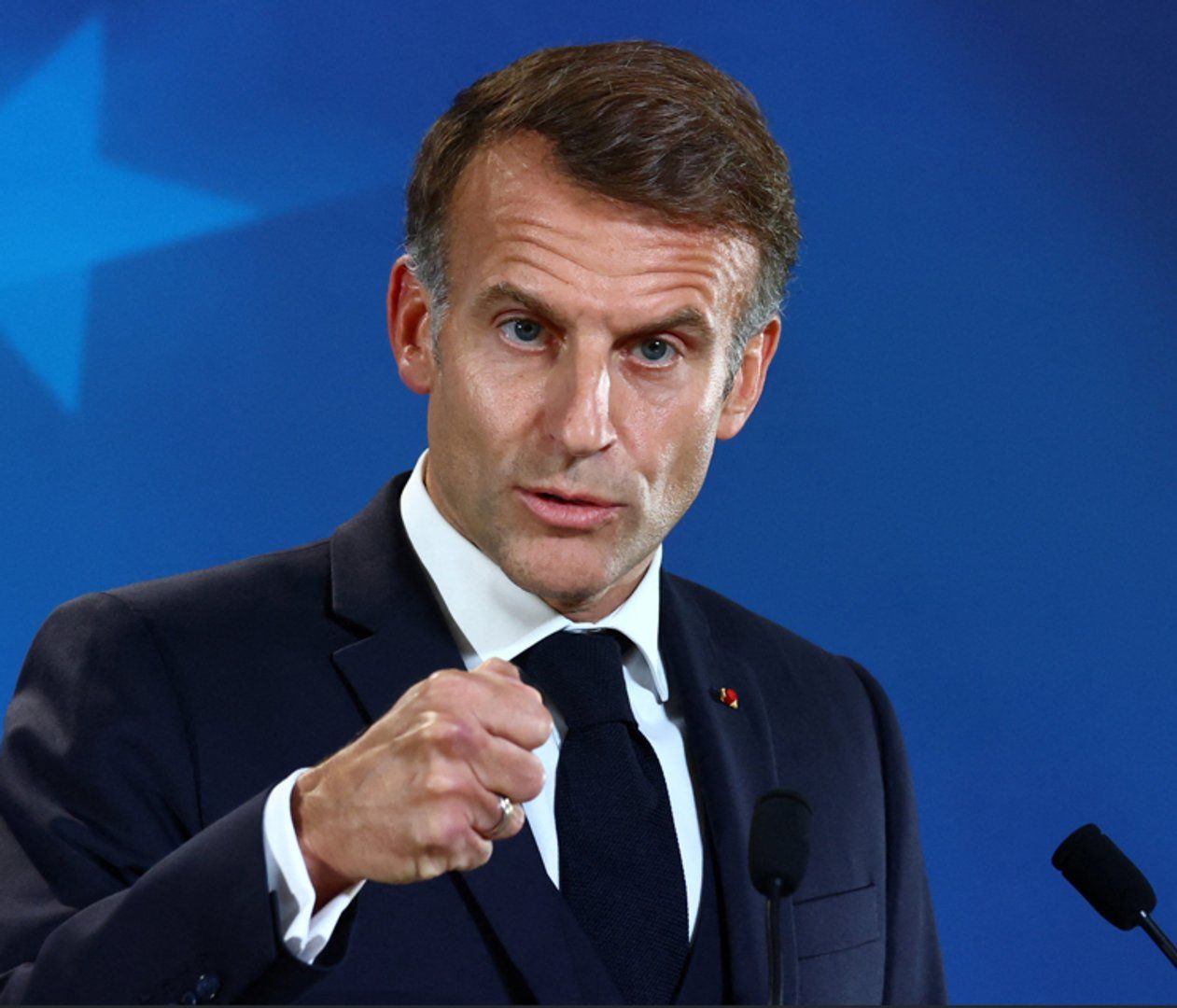
Macron condemns violence after riots lead to looting and mass arrests
Introduction & Key Takeaways
France is currently grappling with a wave of intense civil unrest that has seen government buildings targeted, widespread looting, and a significant surge in mass arrests. This period of turmoil, often summarized by the France protests, stems from profound societal frustrations regarding the rising cost of living and systemic decay within the national education infrastructure. President Emmanuel Macron has issued a firm condemnation of the violence, vowing that those who engage in property destruction and attacks on state facilities will face the full weight of the law.
- Nationwide instability: Hundreds have been detained following riots across several urban centers.
- Root causes: Public anger is primarily driven by economic pressures and deteriorating school conditions.
- Government response: President Macron is taking a hardline stance to restore order while facing domestic political pressure.
- Strategic risk: The ongoing unrest threatens to deepen polarization in French society and undermine the current administration’s legislative agenda.
Background & Context (What Just Happened?)
The streets of France have transformed into sites of confrontation, reflecting a volatile environment that has reached a breaking point. What began as localized demonstrations against specific government policies has rapidly evolved into a more dangerous form of civil disobedience. Protesters, feeling the squeeze of inflation and disillusioned by perceived neglect, have turned toward aggressive tactics. The intensity of these events parallels other recent global clashes and public uprisings, where citizens are increasingly opting for direct confrontation with state apparatuses to signal their grievances.
Root Cause & Deep Dive Analysis (Why Did This Happen?)
To understand the France protests, one must look beyond the immediate imagery of fire and shattered glass. At the core of the issue is a dual crisis: a cost-of-living crunch that has eroded the purchasing power of the middle and lower classes, and a crumbling public education system that has failed to provide adequate environments for youth development. When citizens perceive that the social contract is broken, the threshold for civil unrest drops significantly.
Economically, persistent inflation has exacerbated inequality, leaving many families struggling to afford basic necessities. Simultaneously, poor school conditions represent a generational anxiety, as parents and students alike fear that the state is failing to invest in the future. This creates a potent recipe for mobilization, particularly among younger demographics who feel excluded from the political process. For deeper insights into how such instability affects public order, one might examine historic theories of protest and the systemic failures that often ignite them.
Strategic Implications & Future Impact (What Does This Mean Globally?)
The persistence of these France protests has significant implications for both domestic stability and the European geopolitical climate. For the Macron administration, the challenge is two-fold. First, the government must manage the immediate security threat to property and public safety. Second, it must address the underlying economic narrative, which, if ignored, could lead to prolonged instability. When a G7 nation faces such volatility, it often sends ripples through international markets and serves as a bellwether for other democratic nations struggling with similar socioeconomic pressures. The government’s inability to de-escalate these situations could result in a long-term erosion of trust in democratic institutions, potentially emboldening populist movements that thrive on state failure.
Conclusion & What to Watch Next
As the government moves to hold individuals accountable for the recent riots, the coming weeks will be critical. The primary concern remains whether the state can pivot from a security-first approach to a constructive dialogue that addresses the protesters’ core economic concerns. Analysts will be monitoring whether this unrest remains confined to France or if it acts as a catalyst for a broader wave of discontent across the Eurozone. The path forward for France depends on a delicate balancing act, one that requires both the enforcement of law and a renewed commitment to resolving the systemic issues that pushed citizens into the streets in the first place.