
Seven flights across Europe targeted by suspected bomb threats
Introduction & Key Takeaways
The aviation landscape across Europe recently faced a coordinated and alarming series of suspected bomb threats, affecting seven passenger aircraft within a single operational window. While these incidents were ultimately classified as malicious hoaxes, the scale of the disruption highlights significant vulnerabilities in international transit systems. This explainer examines the nature of these threats, the protocols triggered by such alerts, and the broader implications for global air travel security.
- Seven flights across Europe were subjected to security inspections following anonymous tips.
- No explosives were discovered, confirming the threats were malicious hoaxes.
- The incidents forced emergency diversions, military escorts, and significant passenger distress.
- Aviation security experts believe the timing and scope suggest a deliberate, coordinated effort to destabilize airspace operations.
Background & Context (What Just Happened?)
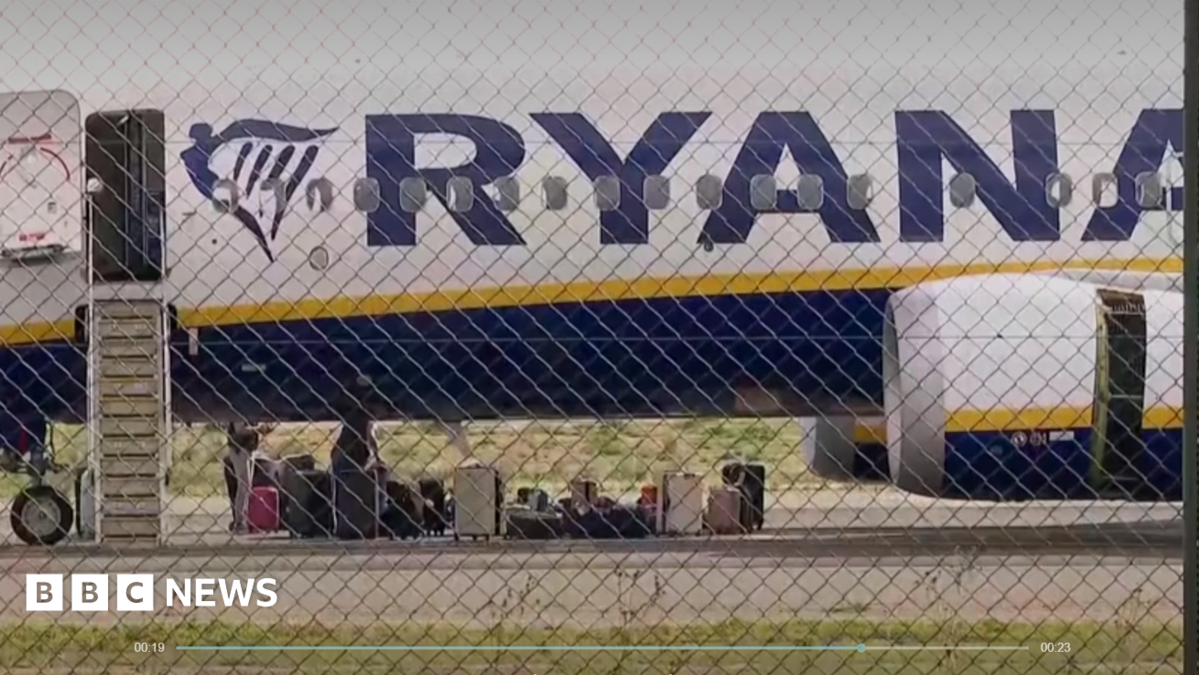
Between November 2 and November 3, 2026, multiple flights operated by major carriers, including Ryanair and Wizz Air, received credible-sounding bomb threats. The incidents spanned from the United Kingdom to Poland, Italy, Spain, and Bulgaria. In one notable instance, an Italian Air Force jet was scrambled to escort a flight into Rome, underscoring the severity with which authorities treated the notifications.
In Poland, the disruption was particularly acute, forcing the diversion of a London Heathrow flight from Chopin airport to the secondary Modlin airport. This not only caused passenger panic but also resulted in the temporary closure of airfield facilities. Similar patterns of disruption mirrored the events recently observed in incidents like those discussed in reports on digital security vulnerabilities in transport infrastructure.
Root Cause & Deep Dive Analysis (Why Did This Happen?)
The rapid succession of these alerts points toward a calculated strategy rather than random, isolated events. By targeting a diverse range of airlines and departure points, the perpetrators successfully induced maximum operational friction. Aviation security expert Paul Mason noted that the credible, high-frequency nature of these calls indicates a sophisticated actor. When a pilot receives a notice of a potential explosive, the aircraft must be treated as a high-risk environment until proven otherwise. This requires immediate diversion to an isolated stand, where specialized bomb disposal units and police perform exhaustive searches of luggage, cabin compartments, and passenger belongings.
While the goal of such actions is often to generate fear or prove the vulnerability of public infrastructure, the economic cost is massive. Airlines face scheduling delays, fuel consumption spikes from unscheduled diversions, and significant logistical overhead. These events occur against a backdrop of increasing security challenges facing regional carriers in Europe today.
Strategic Implications & Future Impact (What Does This Mean Globally?)
The global aviation community is currently grappling with the reality that bomb threats, even when false, can be used as a weapon of mass disruption. The psychological toll on passengers, combined with the strain on emergency services, suggests that state actors or organized groups might use these tactics to test the response times of various national air forces and ground security teams. Future security policy will likely move toward more advanced automated validation systems to filter out malicious digital hoaxes before they escalate to physical aircraft diversions.
Conclusion & What to Watch Next
As the investigation unfolds, authorities are co-operating across borders to trace the source of the emails and calls. While no explosives were found, the persistence of these threats serves as a reminder of the fragility of modern travel. Moving forward, the focus will remain on refining communication channels between ground operations and flight crews to ensure that security risks are managed with precision without sacrificing the safety or sanity of those in the skies.