
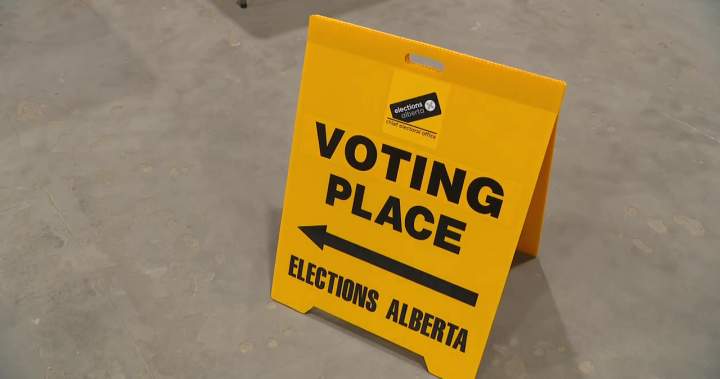
Minister backs 2027 fixed election date as Elections Alberta suggests change
Introduction & Key Takeaways
The political landscape in Canada is witnessing a rare clash between administrative necessity and legislative rigidity. Alberta is currently the focal point of this tension, as the provincial government has formally rejected a request from Elections Alberta to delay the upcoming 2027 provincial election. The Alberta fixed election date remains the primary point of contention, with officials struggling to balance the integrity of the democratic process against the logistical challenges of shifting electoral boundaries.
- The Alberta government maintains that the 2027 election date will not shift, citing legal certainty.
- Elections Alberta warns that boundary changes require significant preparation time, often up to 18 months.
- The Opposition party has leveled allegations of gerrymandering, claiming the proposed map favors specific political interests.
- The debate underscores the growing complexity of administering fair, modern elections in an era of heightened political scrutiny.
Background & Context (What Just Happened?)
In a direct response to a proposal from Chief Electoral Officer Gordon McClure, Alberta’s Justice Minister Mickey Amery stated that there is no intention to deviate from the legislated timeline. The election is currently set to occur on or before October 18, 2027. McClure had suggested a delay, or alternatively, utilizing existing electoral boundaries, to ensure that the electoral body has adequate time to implement necessary safeguards and structural changes. This friction follows recent administrative shifts, such as when the government moved the voting cycle from May to October to mitigate the risks posed by seasonal climate events like wildfires or floods, as discussed in detail regarding the fiscal landscape of the nation.
Root Cause & Deep Dive Analysis (Why Did This Happen?)
The core of this disagreement lies in the delicate machinery of electoral geography. Electoral boundaries are not merely lines on a map, but strategic definitions that dictate the weight of individual votes. As Alberta grows, the necessity for redistricting becomes clear, yet the process often sparks intense partisan debate. The official regulatory body for elections in the province has emphasized that they operate on thin margins. When political authorities push for aggressive timelines, the administrative agency faces a risk of technical failure or insufficient voter education.
Furthermore, the allegations of gerrymandering raised by the Opposition are significant. By definition, this practice, while more common in the United States, involves the manipulation of district shapes to favor specific candidates or parties. When voters perceive that their political system is being rigged through geographic boundary adjustments, public trust in the Alberta fixed election date and the broader electoral apparatus can evaporate rapidly. Similar concerns regarding the integrity of digital and physical voting infrastructure have been seen elsewhere, such as when warning systems were compromised in other jurisdictions.
Strategic Implications & Future Impact (What Does This Mean Globally?)
The Alberta situation serves as a bellwether for democratic stability in North America. When an independent election agency feels compelled to ask for a postponement, it suggests that the political timeline is becoming disconnected from the reality of operational logistics. Should the government proceed without addressing the valid concerns of Elections Alberta, the margin for error during the 2027 vote could be dangerously narrow. Globally, governments are finding that administrative overreach in electoral mapping often leads to prolonged legal battles, which can destabilize the perceived legitimacy of an incoming administration.
Conclusion & What to Watch Next
As the debate moves toward the tabling of the final report in the legislature, all eyes will be on how the government handles the potential for delays. The tension highlights a recurring problem: the collision between rigid, legislated calendars and the fluid, evolving needs of a democratic society. Citizens should monitor upcoming legislative committee sessions for any shifts in policy, as the final determination on boundaries will set the stage for one of the most consequential electoral cycles in the history of the province. Maintaining faith in the integrity of the ballot box remains the primary challenge for leadership, regardless of political affiliation.