
‘Miracle on Mississippi’ – All passengers rescued after New Orleans cruise ship collision
Introduction & Key Takeaways
The recent maritime emergency in New Orleans has drawn national attention after a cruise ship, the American Heritage, collided with a tanker vessel, the Atlantic Asphalt. This event, now being described as a Mississippi Cruise Collision, serves as a sobering reminder of the inherent risks associated with heavy commercial and passenger traffic on one of the world’s busiest inland waterways. While the incident resulted in significant structural damage and thirty-two injuries, the absence of fatalities is being celebrated by officials as a true triumph of rapid emergency response. The following analysis examines the incident’s origins, the tactical success of the evacuation, and the broader implications for maritime safety protocols in the United States.
- All passengers and crew were successfully rescued following the collision.
- The US Coast Guard is currently investigating a potential loss of steering mechanism as the primary cause.
- Thirty-two individuals were hospitalized, though no critical injuries were reported.
- This incident mirrors past public transportation safety concerns, similar to the US flights ground stop events that highlight systemic vulnerabilities.
Background & Context (What Just Happened?)
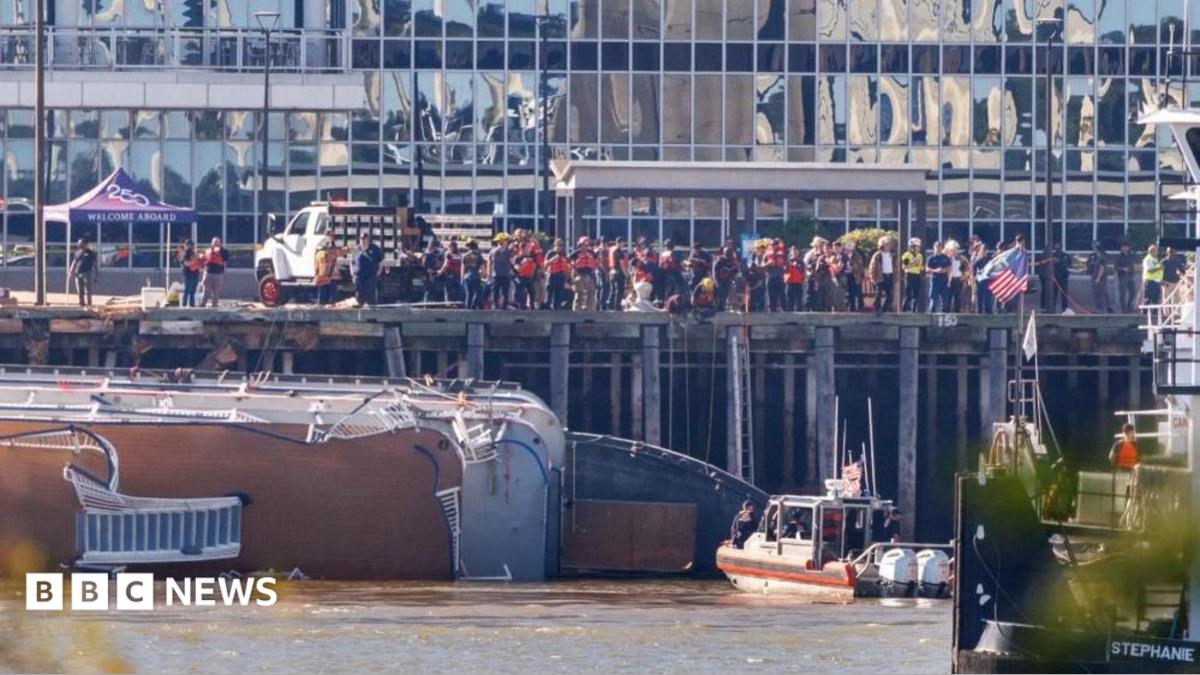
On a Friday afternoon in New Orleans, the tranquil operations of the Mississippi River were shattered by the sound of grinding steel. The American Heritage, a four-deck paddlewheeler vessel designed for river cruising, was struck by the Atlantic Asphalt, a tanker. The collision occurred as the passenger ship was navigating through the port area. As the vessel began to list, panic ensued among the 129 passengers and the crew on board. The scene, described by witnesses as reminiscent of historical maritime disasters, saw the ship eventually come to rest on its side against the dock.
Root Cause & Deep Dive Analysis (Why Did This Happen?)
Preliminary reports from the US Coast Guard suggest a technical failure, specifically a potential loss of steering. While investigators continue their work, experts point to the complexity of navigating large vessels in the Mississippi River corridor. The river is a critical artery for global trade, hosting a constant flow of massive tankers, barges, and passenger boats. When a primary navigation system fails on such a vessel, the narrow channels leave minimal margin for error. The intersection of deep-water commercial shipping and the luxury cruise industry creates a unique regulatory challenge that demands constant vigilance. Further official maritime safety documentation suggests that mechanical failures remain a persistent, albeit statistically low, risk in modern inland navigation.
Strategic Implications & Future Impact
The Mississippi Cruise Collision raises urgent questions regarding maritime traffic management and disaster preparedness. Local authorities, including New Orleans Mayor Helena Moreno, credited the swift action of tugboat operators and first responders with preventing a catastrophic loss of life. From a strategic standpoint, this event will likely trigger a reevaluation of docking protocols for passenger vessels sharing space with industrial tankers. For investors and operators within the cruise sector, the incident emphasizes the necessity of enhanced emergency training for crew members who are the first line of defense during a mechanical failure.
Conclusion & What to Watch Next
As the recovery efforts continue and the damaged vessel is assessed for structural stability, the focus of the public and regulators will shift to the findings of the final investigation. Will this lead to stricter mandates for redundant steering systems on riverboats? Or will it push local authorities to implement more robust separation zones between commercial tankers and passenger traffic? The industry must now grapple with the lessons learned from this frightening afternoon. Moving forward, the maritime community will watch closely to see how the NTSB and Coast Guard balance the economic utility of the river with the safety of those traveling its storied waters.