
Morocco’s not-so-new government faces new challenges
Introduction & Key Takeaways
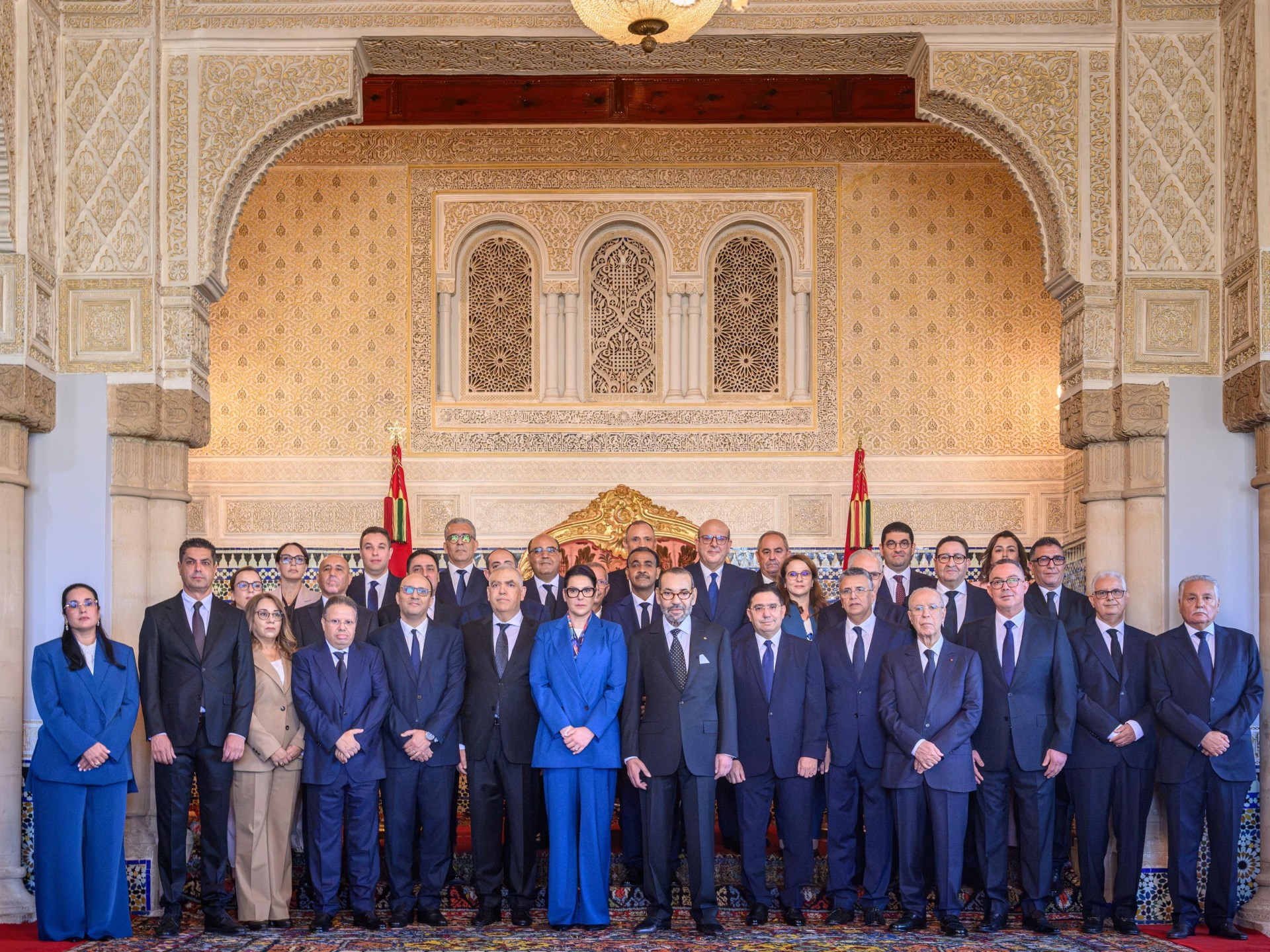
On October 16, 2026, King Mohammed VI inaugurated a new administration led by Prime Minister Fatima Zohra Al Mansouri. This historic transition, marking the first time a woman has held the premiership in Morocco, occurs during a period of intense regional instability and economic pressure. Understanding the Morocco government challenges requires looking beyond the superficial novelty of the appointment. The Authenticity and Modernity Party (PAM), which now anchors the ruling coalition, represents a continuity of existing power structures rather than a shift in governance. Key takeaways include:
- The appointment of Fatima Zohra Al Mansouri serves as a landmark moment, yet the cabinet maintains strong ties to the monarchy.
- Voter apathy remains a critical issue, with 62 percent of the electorate choosing not to participate in the recent parliamentary process.
- The administration faces a perfect storm of climate-related agricultural risks, rising inflation, and volatile global commodity markets.
- The political landscape is increasingly defined by the tension between the ruling coalition and a vocal opposition composed of Islamist and leftist elements.
Background & Context (What Just Happened?)
The rise of the PAM to the forefront of Moroccan politics is not a spontaneous event. Established in 2008 by Ali Himma, an influential adviser to the King, the party was originally designed to act as a counterweight to the political influence of the Justice and Development Party (PJD). For years, the organization operated under the shadow of its perceived affiliation with the establishment, known as the Makhzen. While the party successfully gained political legitimacy, it struggled for a decade to secure the top leadership position. The recent electoral victory, while technically significant, must be viewed through the lens of national institutional evolution. Despite the change in leadership, more than half of the ministerial posts from the previous administration have been retained, signaling that the structural backbone of the government remains unchanged. As some analysts have noted, the broader geopolitical landscape often forces states to prioritize internal stability over radical political reform.
Root Cause & Deep Dive Analysis (Why Did This Happen?)
The Morocco government challenges are rooted in a disconnect between the political elite and the general public. The low voter turnout reveals a deep-seated cynicism toward traditional political institutions. Furthermore, the reliance on high-profile figures, such as the recruitment of prominent sports administrators to boost electoral appeal, suggests a strategy focused on popularity rather than policy-driven engagement. This tactical maneuvering may secure parliamentary majorities, but it often sacrifices long-term institutional credibility. The coalition partners, who once positioned themselves as rivals to the PAM, now find their own ideological consistency under scrutiny. This political fragility is compounded by external shocks that the government has little power to mitigate, such as energy price fluctuations and supply chain disruptions.
Strategic Implications & Future Impact (What Does This Mean Globally?)
Moving forward, the administration faces a complex economic agenda centered on a 2027 Finance Bill. The government aims to bolster purchasing power and social inclusion, yet these objectives are threatened by environmental factors. With the lingering risk of drought following seven years of agricultural strain, the nation is particularly vulnerable to food security issues. Additionally, the state-owned OCP Group, a global leader in phosphate production, faces a difficult international market. These economic headwinds make the Morocco government challenges highly consequential for regional stability. Furthermore, foreign policy, particularly concerning normalization with Israel, remains a contentious issue that could incite domestic unrest if not managed with extreme diplomatic precision.
Conclusion & What to Watch Next
The path forward for Prime Minister Al Mansouri is narrow. Her administration must balance the demands of the Palace, the needs of a skeptical public, and the volatile pressures of the global economy. Observers should monitor whether the government can deliver tangible improvements in cost-of-living metrics or if they will be bogged down by the same controversies that plagued their predecessors. The ability of the opposition to capitalize on public dissatisfaction will be the primary metric for the political stability of the kingdom in the coming years. Watching for shifts in the handling of sovereign portfolios will be essential, as these positions often reflect the true trajectory of the nation’s core priorities.