
New Zealand braces for knife-edge election: What you need to know
Introduction & Key Takeaways
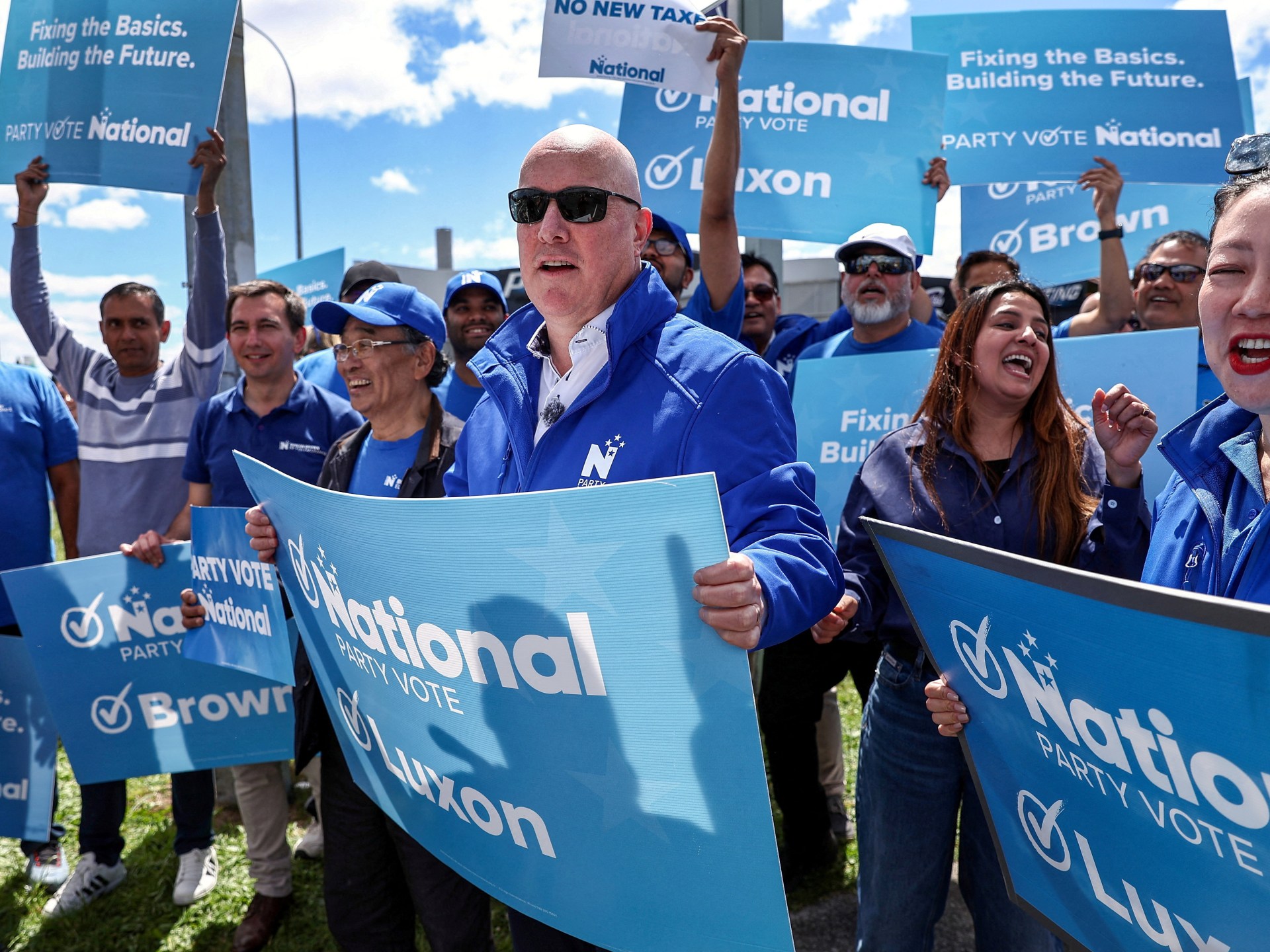
New Zealand is rapidly approaching a decisive political moment, with the upcoming November 7 general election shaping up to be a historic contest. As the nation braces for a New Zealand election, the governing centre-right National Party and the opposition centre-left Labour Party find themselves in a statistical dead heat. Neither major bloc currently possesses a clear path to an outright parliamentary majority, placing the power of governance squarely into the hands of smaller, niche political entities.
Key takeaways for the upcoming ballot include:
- The election is defined by the Mixed-Member Proportional (MMP) system, which necessitates coalition-building.
- The 5 percent party vote threshold is critical, as failing to meet this bar can shift the balance of power overnight.
- Economic concerns, including the cost of living and inflation, dominate the platforms of all participating parties.
- Smaller, secondary parties are poised to act as kingmakers, potentially securing senior government positions in exchange for their support.
Background & Context
The New Zealand election follows a volatile term marked by significant internal pressures within the ruling coalition. Prime Minister Christopher Luxon, leading the National Party, has faced notable challenges to his leadership, including internal no-confidence motions that tested the stability of his administration. Conversely, Labour leader Chris Hipkins is attempting to leverage voter dissatisfaction with current economic conditions to reclaim the leadership position he lost in 2023. The country has a long-standing tradition of coalition governance, a reality fundamentally linked to the MMP system instituted in 1996. Unlike simple majoritarian systems, this framework ensures that smaller parties often hold the casting vote in national policy directions.
Root Cause & Deep Dive Analysis
The primary driver behind this current electoral gridlock is the divergence in economic philosophy between the two major camps. While the National Party advocates for a return to budget surpluses through rigorous fiscal discipline and the expansion of pension schemes, the Labour Party is campaigning on a platform of direct relief, focusing on subsidized healthcare and improved public transport. The intensity of this New Zealand election is further amplified by the specific promises of smaller parties. From the right-wing populist demands of New Zealand First to break up energy giants, to the Green Party’s aggressive push for a wealth tax and public supermarket infrastructure, the political spectrum is more fragmented than in previous cycles.
A deeper look at the electoral mechanics reveals why this is so high-stakes. In New Zealand, voters utilize two distinct ballots, creating a complex interplay between local candidate success and national party performance. The existence of seats reserved for Maori voters adds another layer of representation and potential for legislative influence by parties like Te Pati Maori, which can alter the total number of seats required for an absolute majority. For more context on global democratic shifts, one might consider reading about US midterm developments to understand how populism influences modern electoral discourse.
Strategic Implications & Future Impact
Globally, the outcome of this election will signal how mature democracies manage the transition away from traditional two-party dominance. Should the Opportunity party or other emerging groups succeed in becoming kingmakers, it would represent a significant shift in legislative priorities, likely tilting toward more progressive taxation and radical economic restructuring. The strategic importance of New Zealand’s foreign policy, particularly concerning trade agreements and climate commitments, remains at the heart of these debates. Observers should also keep an eye on how internal democratic trends continue to evolve across the Pacific region, as these results may set a precedent for other nations navigating similar coalition-heavy environments.
Conclusion & What to Watch Next
As the final campaign hours tick away, the attention of the public will shift toward the 5 percent threshold results and the final seat tally. Any deviation in these numbers could completely alter the landscape of the next government. Whether the status quo persists or a new coalition emerges, the next week will define the nation’s trajectory for the coming three years. Citizens and international investors alike should remain vigilant regarding the potential for protracted negotiations following the election, as the formation of a government is rarely immediate under such narrow margins.