
‘Protesters Can’t Inconvenience Public Everywhere’: Passenger On Abhijeet Dipke’s Detention From Flight
Introduction & Key Takeaways
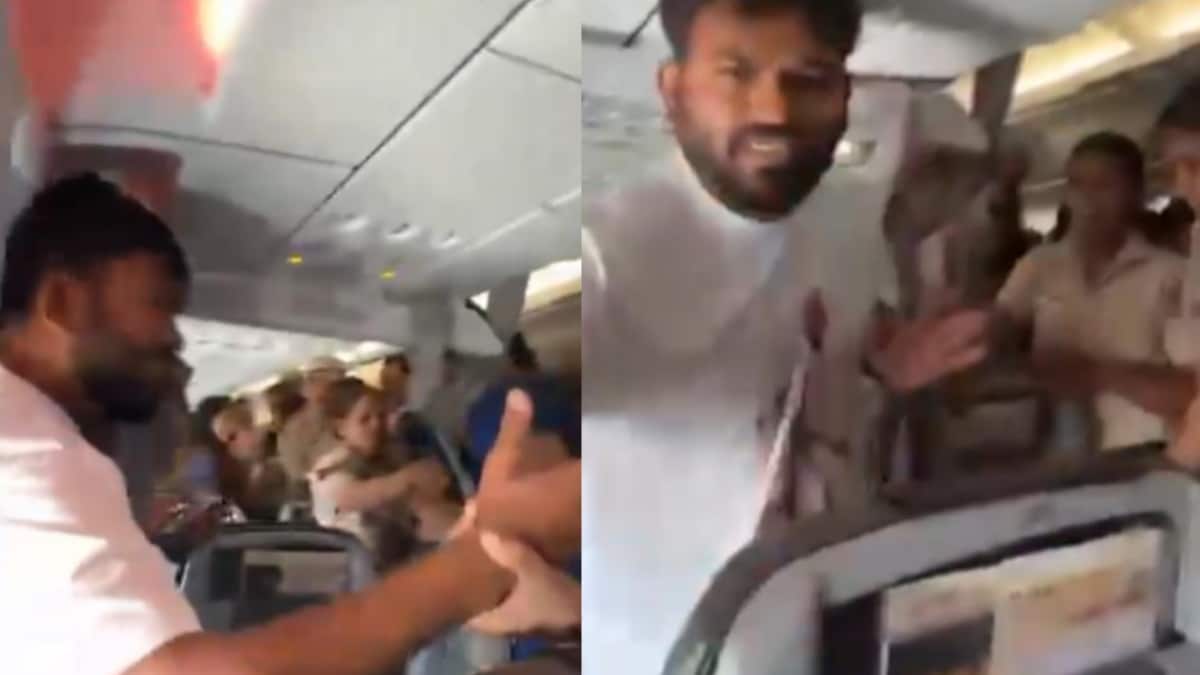
The recent detention of Cockroach Janta Party (CJP) founder Abhijeet Dipke inside an aircraft has ignited a heated national debate regarding the limits of protest and the rights of the traveling public. As law enforcement officers boarded an Air India flight at Indira Gandhi International Airport to apprehend CJP leaders, including Saurav Das and Ashutosh Ranka, the incident sparked immediate frustration among fellow passengers. This event highlights the tension between the right to dissent and the public’s right to movement. Understanding the Abhijeet Dipke detention requires examining the fine line between organized activism and civilian disruption.
Key takeaways from this situation include:
- The detention occurred following a denied request for a public demonstration at Jantar Mantar.
- The CJP was protesting the Special Intensive Revision (SIR) exercise, demanding the resignation of the Chief Election Commissioner.
- Civilian passengers expressed significant grievances regarding the inconvenience caused by political theatrics inside restricted transit zones.
- Legal experts continue to debate the state’s authority to intervene in public transport compared to public spaces.
Background & Context (What Just Happened?)
The situation began when CJP leaders initiated a, as they termed it, “final call to save democracy” against the Election Commission’s current electoral roll revision policies. Having been denied formal permission for their planned assembly, the group attempted to make their way to the protest site in New Delhi. Upon the landing of their flight from Mumbai, police officials conducted a targeted operation inside the cabin to detain the leadership. The ensuing commotion, captured on social media, showed party members confronting officers and decrying the state’s approach. For a deeper look at the legal complexities of such demonstrations, refer to the historical context of protest rights in modern democracies.
Root Cause & Deep Dive Analysis (Why Did This Happen?)
At the center of this controversy is the Special Intensive Revision (SIR) exercise, which has become a lightning rod for political groups claiming that voter name deletions are occurring without adequate oversight or transparency. The CJP, led by figures like Abhijeet Dipke, has utilized high-profile disruptions to gain visibility for these concerns. However, the strategy of importing political conflict into spaces like commercial aircraft has alienated portions of the general public. Critics, including those who were on the flight, argue that legitimate grievances should be addressed through the judicial system. As one passenger noted, the Supreme Court provides a formal mechanism for challenging electoral roll irregularities, suggesting that on-flight protests circumvent these established democratic institutions.
Strategic Implications & Future Impact (What Does This Mean Globally?)
The Abhijeet Dipke detention serves as a case study for how modern protest movements are evolving. By choosing volatile or highly visible locations to stage acts of civil disobedience, organizations attempt to force immediate engagement from the state. However, this strategy carries significant risks. When such actions result in mass inconvenience, they often lose public sympathy, potentially undermining the very causes they seek to promote. Globally, democratic nations are grappling with the balance between maintaining public order and protecting freedom of expression. If the state continues to act preemptively to squash dissent before it reaches designated protest zones, we may witness an increase in guerilla-style political actions that bypass traditional notification procedures.
Conclusion & What to Watch Next
The events at the IGI Airport reflect a growing restlessness within the Indian political landscape. While the CJP remains vocal about their opposition to the election commission, the public sentiment—at least among those affected by the flight delays—shows a marked fatigue with disruptive protest methods. Moving forward, observers should watch how the judiciary interprets these specific instances of detention. The key question remains: can political groups effectively challenge administrative decisions without resorting to tactics that alienate the very citizenry they claim to represent? The answer to this will likely shape the future of protest culture in the national capital and beyond.