
Putin warns of tit-for-tat seizures of European vessels
In a stark escalation of international maritime tensions, Russian President Vladimir Putin has issued a formidable threat: Moscow stands ready to implement tit-for-tat vessel seizures against European states. This audacious warning comes as European nations intensify efforts to intercept and confiscate ships suspected of carrying Russian cargo, particularly oil, in defiance of ongoing sanctions. The geopolitical chessboard, already complex, just gained another volatile dimension.
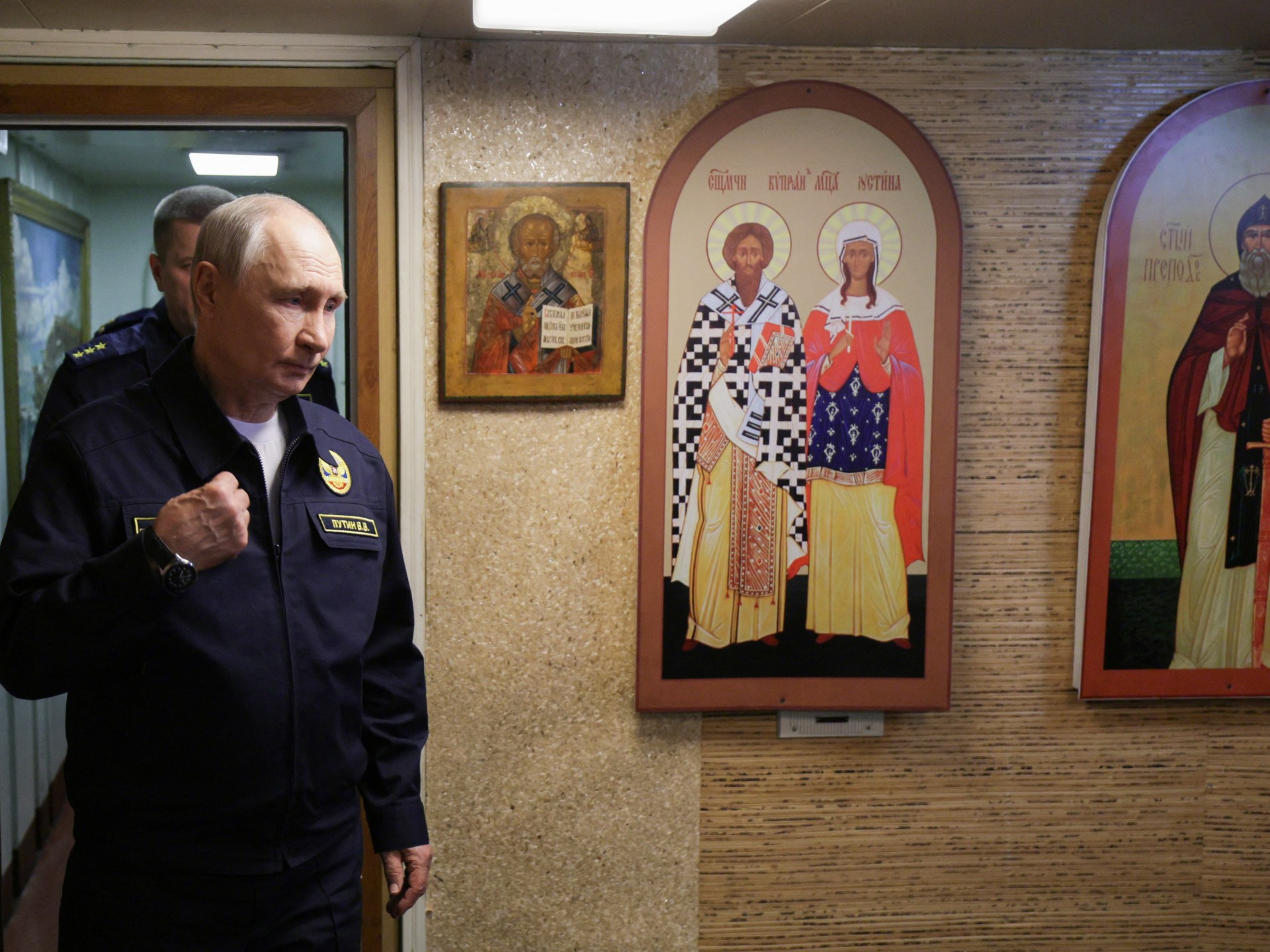
Speaking from the deck of a Russian cruiser off Sakhalin Island during significant Pacific Fleet naval drills, President Putin conveyed an unequivocal message. He asserted that if European entities proceed with plans to seize and sell off Russian-linked commercial vessels, Russia will respond in precisely the same manner. “Wherever we deem it necessary and appropriate,” Putin declared, according to TASS, signaling a readiness to retaliate with proportionate force and scope.
The Escalation of Vessel Seizures
This provocative declaration follows a period where several European Union members have successfully intercepted ships believed to be part of Russia’s elusive “shadow fleet.” These vessels, often operating under opaque ownership, transport Russian oil in clear contravention of Western punitive measures. Recently enacted EU sanctions further empower member states to legally sell the oil or any other cargo confiscated from such intercepted ships, transforming seizures into a potential revenue stream for Europe.
Putin explicitly referenced these measures, describing attempts to “restrict the movement of vessels belonging to our economic operators” and the audacious “idea of possibly seizing our ships and selling off property stolen from us.” He condemned these actions as nothing short of “piracy and robbery,” emphasizing that if such strategies materialize, Russia’s response will be swift and reciprocal. Instructions, he confirmed, have already been relayed to Russia’s Ministry of Defence and its formidable Pacific Fleet, tasked with protecting Russia’s expansive maritime interests.
The broader implications of these potential vessel seizures are profound, threatening to destabilize global shipping lanes and ignite further legal and economic battles. Maritime experts and international observers are scrutinizing the feasibility and potential repercussions of such an unprecedented exchange of confiscations. The global community remains deeply concerned about the ramifications of these escalating actions on international economic measures and commerce.
Beyond the immediate threat to shipping, Putin also castigated the NATO military alliance, accusing it of making significant inroads into the Asia Pacific region. He voiced concerns over the formation of new military-political blocs and the deployment, or planned deployment, of novel weapon systems that pose a direct threat to Russia. This broader strategic critique unfolded just a week prior to joint US-South Korean war games, simulations designed to counter a potential invasion from North Korea – a nation now increasingly allied with Moscow.
Tensions in the Pacific Rim continue to soar, fueled by allegations from Kyiv and Seoul regarding deepening military cooperation between Pyongyang and Moscow. Ukrainian President Volodymyr Zelenskyy, for instance, recently accused Russia of deploying North Korean missiles in deadly air raids across Ukraine. Previously, he warned of Moscow receiving more ballistic projectiles and troops from its ally Pyongyang, a development he described as a severe risk not only for Ukraine but for countries across East Asia. Indeed, North Korean leader Kim Jong Un has reportedly dispatched thousands of troops and substantial weapon supplies to bolster Putin’s protracted invasion efforts. This complex web of alliances and threats underscores the volatile nature of current global affairs.