
Quebec police watchdog probing Montreal police-involved shooting
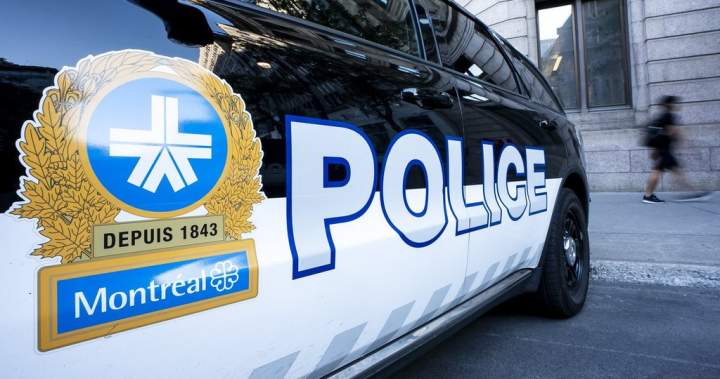
A recent incident involving law enforcement in Quebec’s largest metropolis has once again cast a spotlight on the critical role of independent oversight. Quebec’s Bureau des enquêtes indépendantes (BEI), the province’s police watchdog, has initiated a thorough investigation following a Montreal police shooting that occurred Wednesday afternoon. The incident, which resulted in injuries to a civilian, underscores the complex and often precarious interactions between citizens and those sworn to protect them, demanding meticulous scrutiny.
The sequence of events unfolded rapidly, as detailed in a news release from the BEI. Police officers were dispatched to a residential address around 3:23 p.m. in response to an urgent report of an individual armed with a knife. Within a mere five minutes, by 3:28 p.m., officers had arrived on the scene. What transpired next quickly escalated into a tense confrontation. An altercation ensued, culminating in police discharging their firearms, striking the individual. The injured person was subsequently transported to a local hospital, where their condition is reported as stable, providing a small measure of relief amidst the gravity of the situation.
Understanding the Role of Independent Investigation in a Montreal Police Shooting
The establishment of bodies like the BEI is a direct response to a societal demand for transparency and accountability within law enforcement. The Bureau des enquêtes indépendantes operates as an independent civilian oversight agency, tasked with investigating any incident involving a police officer that results in death or serious injury, or when an officer discharges a firearm causing injury. Its mandate is clear: to ensure impartiality and maintain public trust by thoroughly examining these critical events, free from internal police influence. This objective is paramount, especially when public confidence in police actions can be fragile following such incidents.
For this specific Montreal police shooting, a dedicated team of six investigators has been assigned to delve into every aspect of the confrontation. Their work typically involves interviewing witnesses, collecting forensic evidence, reviewing police reports, and analyzing the circumstances leading up to the use of force. Such comprehensive inquiries are vital to understand whether police protocols were followed, if the force used was proportional, and to provide an unbiased account of what transpired. The outcome of these investigations often plays a crucial role in public discourse surrounding policing practices and officer training.
The necessity of such an independent body becomes even more apparent when considering the high-stakes environment in which law enforcement operates. Officers frequently face situations that demand split-second decisions with potentially life-altering consequences. Yet, the public, quite rightly, expects robust oversight to ensure that these powers are exercised responsibly. The BEI’s investigation runs concurrently with an internal police probe, both working towards establishing a complete picture of the incident.
Across Canada, independent oversight bodies have become a cornerstone of modern policing, aiming to enhance accountability and maintain public confidence. For instance, similar investigations by watchdogs in other provinces have resulted in various findings, ranging from justified use of force to recommendations for policy changes, as seen in cases like the one where no charges were laid against a Regina officer after a fatal shooting. These processes, while sometimes lengthy, are essential for the integrity of the justice system.
The Broader Implications for Public Safety and Accountability
Incidents like this Montreal police shooting ripple through the community, sparking conversations about police training, de-escalation tactics, and the availability of mental health support for individuals in crisis. When police respond to reports of an armed person, the immediate goal is to neutralize the threat while minimizing harm to all involved. However, the unpredictability of such encounters often leads to outcomes that are difficult for all parties.
Experts often highlight the intricate challenges faced by officers, who must assess rapidly unfolding situations under immense pressure. The use of a knife, for example, can be deemed a significant threat, necessitating a swift and decisive response to protect both the officers and any potential bystanders. However, every use of force incident also presents an opportunity for reflection and, if necessary, reform. This ongoing dialogue between law enforcement, oversight bodies, and the public is vital for the continuous improvement of policing practices. The BEI’s findings will be crucial in informing this dialogue and potentially shaping future policies for the Service de police de la Ville de Montréal (SPVM).
As the BEI’s six investigators meticulously comb through the details, the public awaits answers. These investigations are not merely about assigning blame; they are fundamental to upholding the principles of justice, ensuring police accountability, and ultimately, reinforcing the social contract between law enforcement and the communities they serve. This commitment to rigorous examination by independent bodies is what helps to safeguard fairness and transparency in moments of profound crisis. Canadian provinces typically have frameworks for such oversight, ensuring that incidents involving police actions are met with appropriate independent review.