
Russia detains minor over alleged Moscow attack plot after US warning
Introduction & Key Takeaways
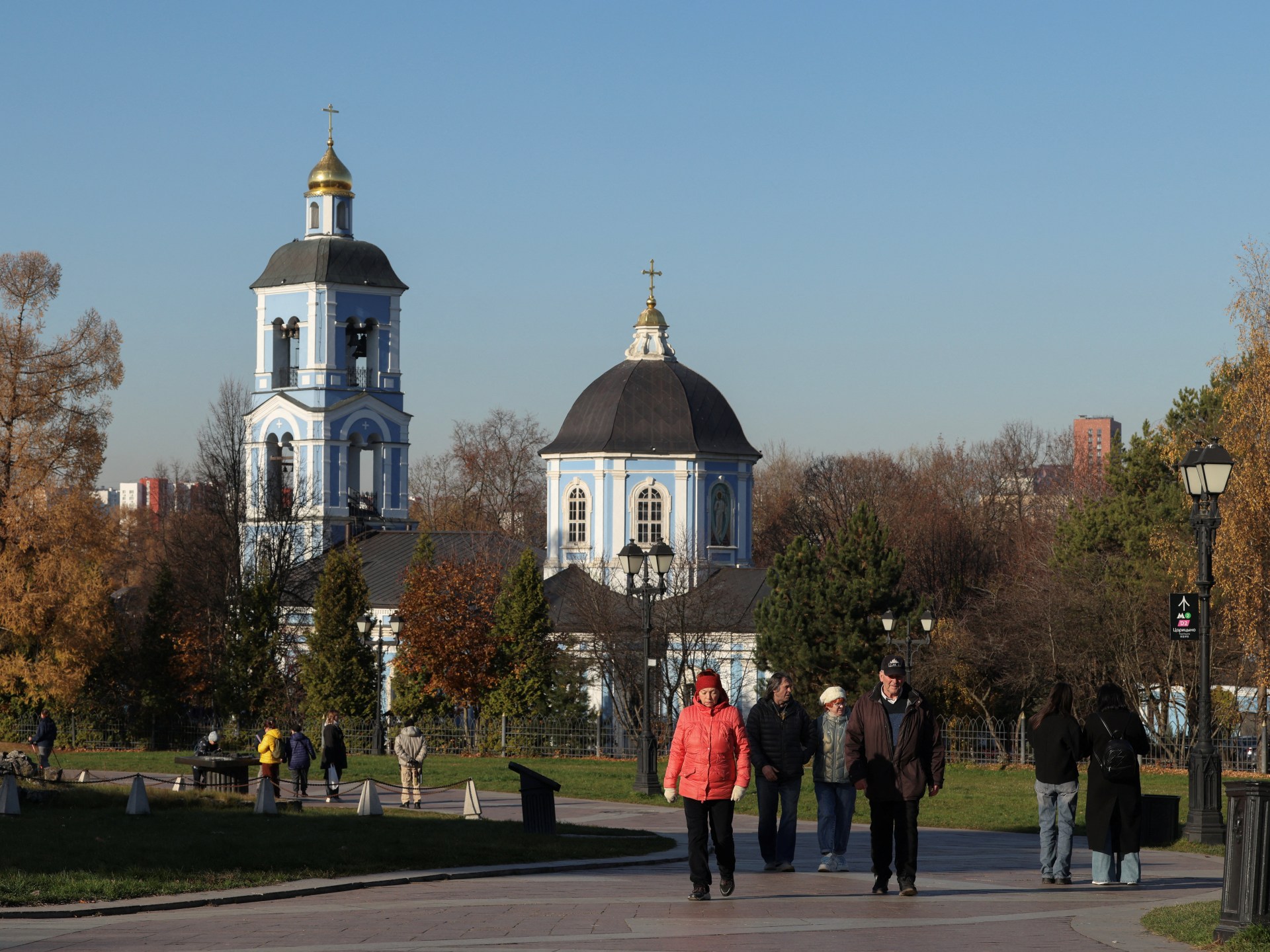
In a rare instance of intelligence cooperation amidst a period of extreme geopolitical friction, Russian authorities have successfully apprehended a teenager suspected of planning a violent assault at the Tsaritsyno Museum Reserve. This Moscow attack plot, identified through a proactive security warning from the United States, highlights the complex nature of international counter-terrorism despite ongoing bilateral animosity. The incident serves as a stark reminder of the persistent threat posed by radicalized youth and the importance of cross-border intelligence sharing.
- A Russian teenager was detained following a US intelligence tip-off.
- The suspect allegedly targeted a popular Moscow park, documenting plans via social media.
- The Russian Federal Security Service (FSB) officially acknowledged the assistance provided by American authorities.
- This cooperation mirrors previous, albeit limited, exchanges of intelligence between the two nuclear powers.
Background & Context: What Just Happened?
On November 1, 2026, the United States embassy in Moscow issued a specific and urgent security alert, warning of a credible threat of a mass casualty event at the historic Tsaritsyno Museum Reserve. The park, a significant cultural and public space in southern Moscow, was temporarily shuttered as security forces mobilized. Within hours, the FSB reported the arrest of a local Russian teenager who had allegedly been documenting the site on social media platforms. The suspect was reportedly captured with tactical gear and evidence of radicalization, including subscriptions to neo-Nazi messaging channels. The situation remains volatile, as the Russian Investigative Committee determines the scope of the legal proceedings, which follow similar reports like those involving global warnings of mass casualty events.
Root Cause & Deep Dive Analysis: Why Did This Happen?
The motivation behind the Moscow attack plot appears to be deeply rooted in the rise of digital radicalization. Analysts point to the suspect’s activity on platforms like TikTok and private Telegram channels as clear indicators of a modern, decentralized recruitment model. Unlike organized paramilitary cells, these lone wolf scenarios often emerge from isolated individuals seeking notoriety or ideological validation in the fringes of the internet. The US intelligence community continues to monitor these digital pathways, even when formal diplomatic channels are strained. The fact that the suspect was seemingly emboldened to share his intent online suggests a dangerous mix of narcissism and extremist indoctrination that law enforcement agencies struggle to preemptively identify without international support.
Strategic Implications & Future Impact: What Does This Mean Globally?
The successful intervention in this instance serves as a critical case study in pragmatic diplomacy. Even at the height of tensions regarding the war in Ukraine, Washington and Moscow have maintained a baseline of communication regarding transnational security threats. This is not the first instance of such collaboration. In March 2024, the United States provided warning signs of an impending assault on a Moscow concert hall, an event that tragically resulted in more than 140 fatalities when those warnings were not adequately acted upon. The current success underscores that intelligence sharing regarding non-state actors, terrorists, and radicalized individuals remains a mutual interest that supersedes conventional state-on-state rivalry. Looking forward, the global community must consider how to formalize these communication channels to prevent further loss of civilian life, regardless of the broader political climate.
Conclusion & What to Watch Next
As the legal process against the teenager proceeds, the primary focus will be on whether this intelligence success leads to a thaw in security cooperation between the two nations. While it is unlikely to change the fundamental trajectory of US-Russia relations, it demonstrates that even under the current, deeply polarized international order, human life remains a priority for the intelligence apparatuses of both powers. Observers should look for further statements from the Kremlin and the White House regarding the necessity of this intelligence exchange and whether such cooperation can be institutionalized moving forward. The stability of public spaces in major cities like Moscow remains a key barometer for domestic safety, and the role of international warnings in maintaining that stability cannot be overstated.