
Did Flydubai Crew Help Omani Co-Pilot? Passenger Questions Their Role In Mid-Air Cockpit Attack
Introduction & Key Takeaways
The harrowing mid-air incident aboard Flydubai flight FZ1073 has ignited a broader debate regarding safety, transparency, and the potential for insider threats within modern aviation. A prominent passenger, Asaf Rajuan, who played a critical role in physically subduing the attacker, has officially called for a deep-dive investigation into the conduct of the flight crew during the crisis. This flydubai flight inquiry highlights the urgent need for clarity surrounding the security protocols in place when a co-pilot, later identified as having prior extremist flags, turned against his captain with an emergency axe. Key takeaways from this developing situation include:
- The critical role played by civilian passengers in neutralizing an in-flight security threat.
- The emergence of conflicting accounts between official reports and eyewitness testimonies regarding crew behavior.
- The necessity for rigorous, transparent investigations into why known security risks were granted flight clearance.
Background & Context (What Just Happened?)
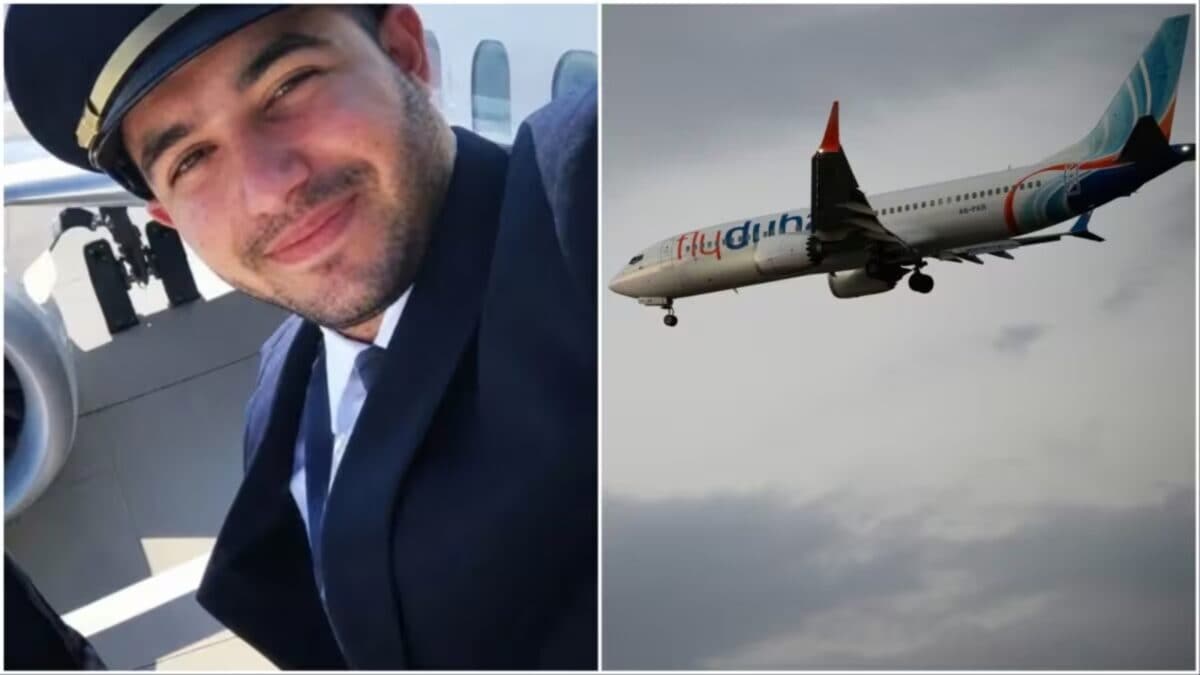
On September 30, flight FZ1073, operating on a route from Dubai to Tel Aviv, experienced a terrifying security breach. Reports indicate that an Omani co-pilot, Hammam al-Hammami, launched a violent assault on the captain using a tool retrieved from the cockpit. As the situation rapidly spiraled into chaos, the aircraft was forced to divert to Tabuk, Saudi Arabia. It was later revealed that the aggressor had been previously flagged by authorities for extremist associations, raising profound questions about the vetting processes employed by regional airlines. As outlined in our detailed breakdown of the security oversights, the failure to identify and mitigate this risk has left the international aviation community scrambling for answers.
Root Cause & Deep Dive Analysis (Why Did This Happen?)
The flydubai flight inquiry is now focusing heavily on the actions of the cabin staff post-neutralization. Asaf Rajuan, a witness seated in the cabin, has testified to disturbing observations that require formal verification. According to his account, specific crew members appeared to interfere with the restraints placed on the attacker, while another attempted to administer an unknown medication to the severely injured captain. These allegations, while currently unverified, introduce the possibility of complicity or, at the very least, extreme incompetence during a high-stakes life-or-death situation. Historians of aviation security often point to the evolution of cockpit door regulations, which were designed specifically to prevent this type of intrusion, yet this incident proves that the human element remains a volatile variable.
Strategic Implications & Future Impact (What Does This Mean Globally?)
This incident represents a significant failure in the multi-layered security protocols that protect global airspace. The fact that the flydubai flight inquiry involves a cross-border dimension between the UAE, Oman, Saudi Arabia, and Israel adds a complex geopolitical layer. If professional flight staff were indeed distracted or complicit, airlines worldwide may be forced to implement more stringent background checks, potentially involving biometric and intelligence-sharing databases that transcend local borders. Furthermore, the reliance on off-duty pilots to seize control mid-flight suggests that carriers must rethink their contingency planning, as relying on random luck to have qualified relief pilots on board is not a sustainable safety model.
Conclusion & What to Watch Next
The aviation industry is at a crossroads. Trust is the foundation of commercial travel, and events like this threaten to undermine public confidence in regional carriers. Looking forward, stakeholders must monitor the progress of the official investigation in Saudi Arabia and the UAE. Will the cabin crew be cleared of wrongdoing, or will these testimonies lead to widespread reform in crew training and vetting? The request by passengers for the relief pilots to testify publicly is the next logical step in ensuring that the truth is not buried under bureaucratic silence. We will continue to track this story as it evolves, prioritizing the safety of passengers over administrative convenience.