
Shiv Sena’s Dussehra Rally: Bal Thackeray’s 60-Year-Old Legacy Is Now A Battle For Identity
Introduction & Key Takeaways
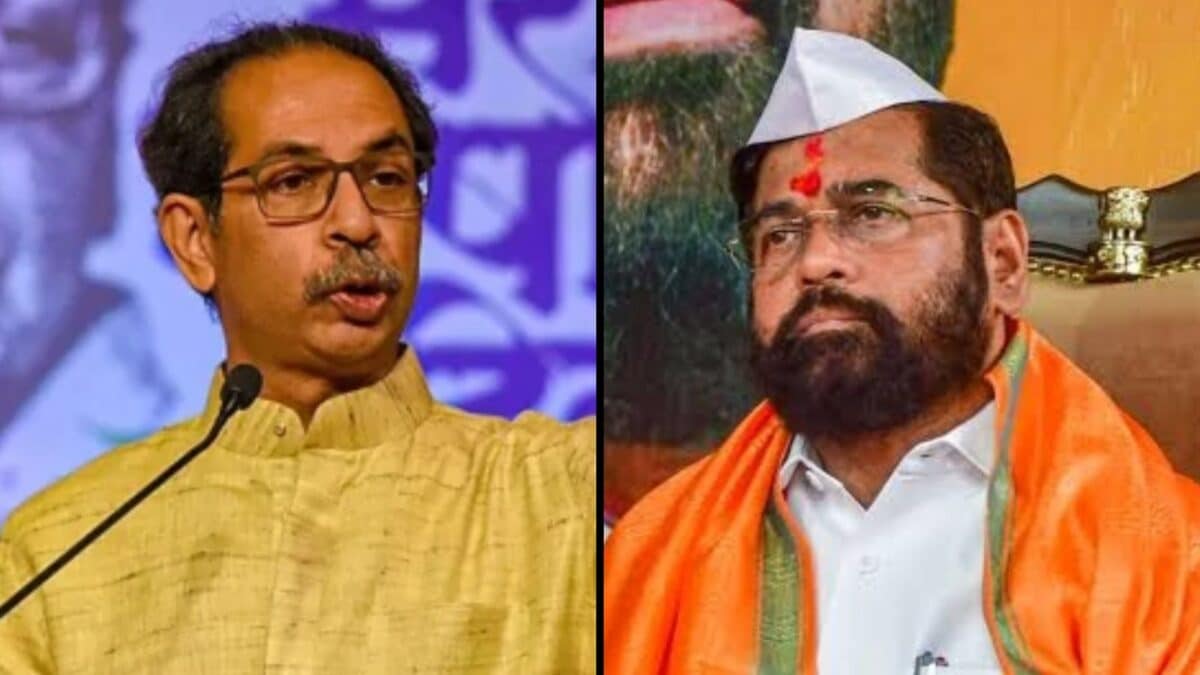
As the Shiv Sena marks sixty years of its traditional Dussehra rally, the event has fundamentally transformed. What began as a unified demonstration of strength under Bal Thackeray is now a fractured competition between two factions, led by Uddhav Thackeray and Eknath Shinde, over identity and political legacy. This article explores how this annual ritual, once a symbol of singular authority, has become a high stakes battleground for the soul of Maharashtra politics.
- The Dussehra rally, a 60-year-old tradition, is now contested by two separate Shiv Sena factions.
- Uddhav Thackeray maintains the connection to the historic Shivaji Park, while Eknath Shinde utilizes institutional power and state resources.
- The political conflict reflects deeper struggles over electoral legitimacy and regional identity.
- The current situation mirrors broader challenges in Indian democracy, similar to civil unrest witnessed globally.
Background & Context (What Just Happened?)
On October 20, 2026, Mumbai witnessed the reality of a divided movement. Uddhav Thackeray, leading the Shiv Sena (UBT), returned to the iconic Shivaji Park in Dadar. This venue is not just a field; it is a cultural monument where his father, Bal Thackeray, historically rallied the cadre. Conversely, Chief Minister Eknath Shinde held his rally at the NESCO grounds in Goregaon. The split in 2022 was the catalyst for this schism, creating a scenario where both sides claim to be the true successor of the party’s founder. For more on the volatility of modern political environments, readers may find interest in recent reports on institutional disorder.
Root Cause & Deep Dive Analysis (Why Did This Happen?)
The roots of this division run deep into the socio-political fabric of Maharashtra. When Bal Thackeray founded the party in 1966, he utilized the Dussehra rally as a mechanism to voice the grievances of Marathi speakers. It was a “sons-of-the-soil” movement that capitalized on local anxieties regarding jobs and urban influence. Over decades, this evolved into a rigid, charismatic leadership style that defined the Shiv Sena.
However, the 2022 rebellion fractured this foundation. The Election Commission granted the official party name and symbol to the Shinde faction, providing them with immense structural advantages. The struggle today is an existential one. It is a competition between the weight of emotional heritage and the cold utility of administrative power. Uddhav Thackeray relies on the sentimental and historical attachment to the Thackeray name, while Shinde leverages his position within the ruling Mahayuti government to assert dominance.
Strategic Implications & Future Impact (What Does This Mean Globally?)
The implications of this schism extend beyond mere local politics. The Shiv Sena represents a specific model of regional populism that has long influenced India’s political trajectory. When such a robust, monolithic identity is split, it signals a period of volatility that can discourage traditional supporters and alienate potential new voters. Globally, political analysts often point to such splits as evidence of the fragility of institutional legacies when faced with modern fragmentation.
Shinde’s strategic focus on drought-affected farmers suggests a move toward a pragmatic governance brand. By contrast, Uddhav Thackeray’s narrative on protecting the Constitution attempts to rebrand the party as a guardian of democratic institutions. This shift from regional agitation to high-level ideological positioning is a vital transformation in the party’s history.
Conclusion & What to Watch Next
As we analyze the fallout of the 2026 rally, the focus must remain on the long term viability of these two paths. Can emotional loyalty survive without administrative leverage? Can administrative dominance suffice without a charismatic, hereditary connection to the past? The battle for the Shiv Sena identity is essentially a test of whether political brands can be transferred or if they must be built from scratch. Observers should keep a close watch on future legislative numbers and the shifting loyalties within the grassroots cadre, as these will ultimately determine which version of the legacy survives the changing tide of Maharashtra politics.