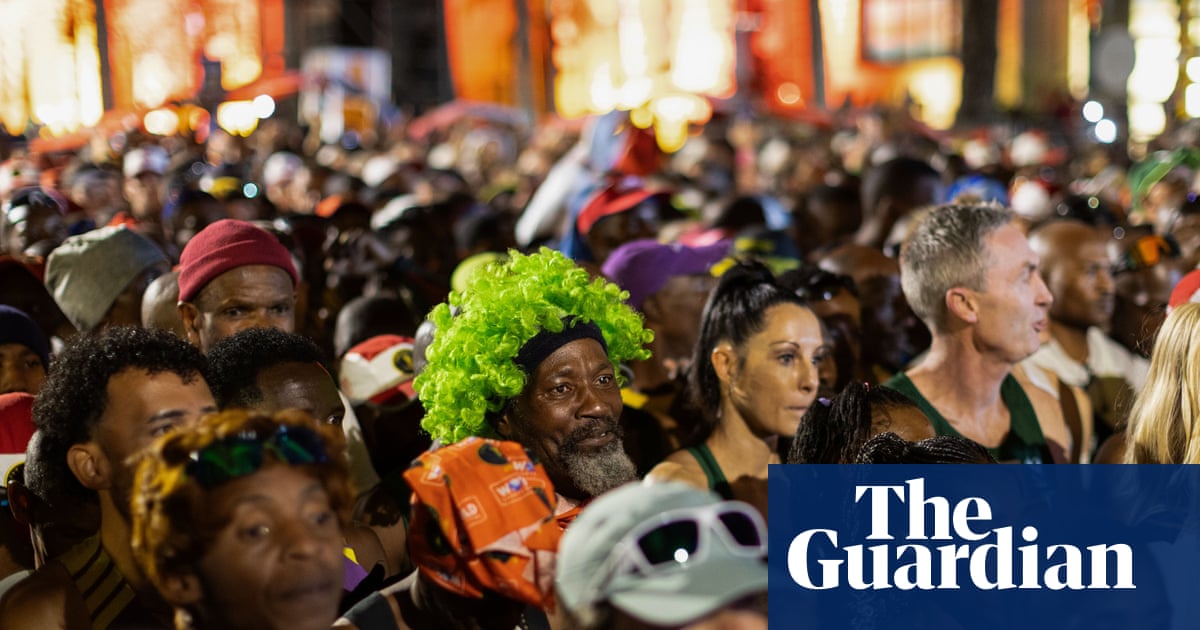
Before dawn broke over Durban, a symphony of anticipation filled the air. Thousands of runners, a vibrant tapestry of humanity, gathered, their hearts thrumming with nervous energy. The South African national anthem soared, followed by the soulful strains of Shosholoza, a song born from the goldmines, before the iconic Chariots of Fire piano notes signaled the impending start of the legendary Comrades Marathon.
At precisely 5 AM, a single gunshot pierced the cool morning air, unleashing a torrent of human endeavor. This wasn’t just any race; it was the world’s oldest and largest ultramarathon, a grueling 55-mile journey that reverses direction annually between Pietermaritzburg and Durban. Conceived in 1921 by a WWI veteran to honor his fallen comrades, the inaugural event saw 34 white men embark on the formidable challenge; only sixteen completed it. Fast forward over a century, and the modern Comrades Marathon stands as a testament to profound transformation, having paused only for World War II and the Covid-19 pandemic across its 99 iterations.
The Comrades Marathon: A Tapestry of Humanity
What began as an exclusively white, male endurance test has blossomed into an indelible part of South African culture. Today, its start line is a powerful microcosm of the nation itself: security guards and shop workers standing shoulder-to-shoulder with bankers and celebrities. For one glorious June day each year, the nation’s stark racial inequalities appear to momentarily dissolve, replaced by a shared purpose and an unbreakable bond forged on the asphalt. Indeed, the unifying power of sport is widely recognized by international athletics organizations.
Every runner has their story, a deeply personal impetus driving them across mile after arduous mile. Consider William Seleka, whose journey to the Comrades Marathon began in the crucible of personal despair. Grappling with a profound depression following the dissolution of his marriage in March 2025, Seleka sought solace and purpose in running. He joined Run Alex, a local club in Johannesburg’s Alexandra township, transforming from a 10km novice to a 50km ultramarathon finisher in just six months. “I used to hear people saying, ‘This is Comrades, you are running from Durban to Pietermaritzburg.’ I said, ‘It’s insane, you can’t do that.’ But now we are facing reality – I’m doing that as well,” he recounted, reflecting on his incredible journey.
The race’s history is studded with seminal moments of inclusion. In 1923, Frances Hayward broke barriers as the first woman to finish. Then, in 1935, Robert Mtshali became the first Black man to complete the race, though unofficial segregation persisted. The true seismic shift occurred in 1975 when the privately run event desegregated and officially welcomed women. The advent of television in 1976 further amplified its reach, with the entire race eventually broadcast live in 1986. South Africans watched spellbound as figures like delivery driver Hoseah Tjale challenged eight-time champion Bruce Fordyce, shattering racial divides with simple gestures like sharing water along the route. Later, Sam Tshabalala’s victory in 1989 cemented the race’s role as a symbol of hope and achievement against the backdrop of apartheid.
The ‘up run’ to Pietermaritzburg demands an ascent of approximately 1,800 meters. Hours into the race, as the sun kissed the horizon in Pinetown, spectators roared encouragement. Seleka, initially beaming, would later battle intense pain after an ill-fated shoe change. His struggle became a spiritual quest, singing hymns he didn’t know he knew, pushing through agony for his children, and for the memory of his sister. The finish line, bathed in golden light, brought a mix of jubilation, shared triumph, and gut-wrenching despair for those who missed the 12-hour cut-off by mere seconds. Seleka, tears streaming, crossed the line at 10:30:49, dedicating his Herculean effort to his sister. His story, like thousands of others, underscores the profound truth: everyone needs a reason to conquer the Comrades, and once accomplished, it truly marks a new chapter.
About the Author