
The French government is hiding behind a ‘riots’ narrative
Introduction and Key Takeaways
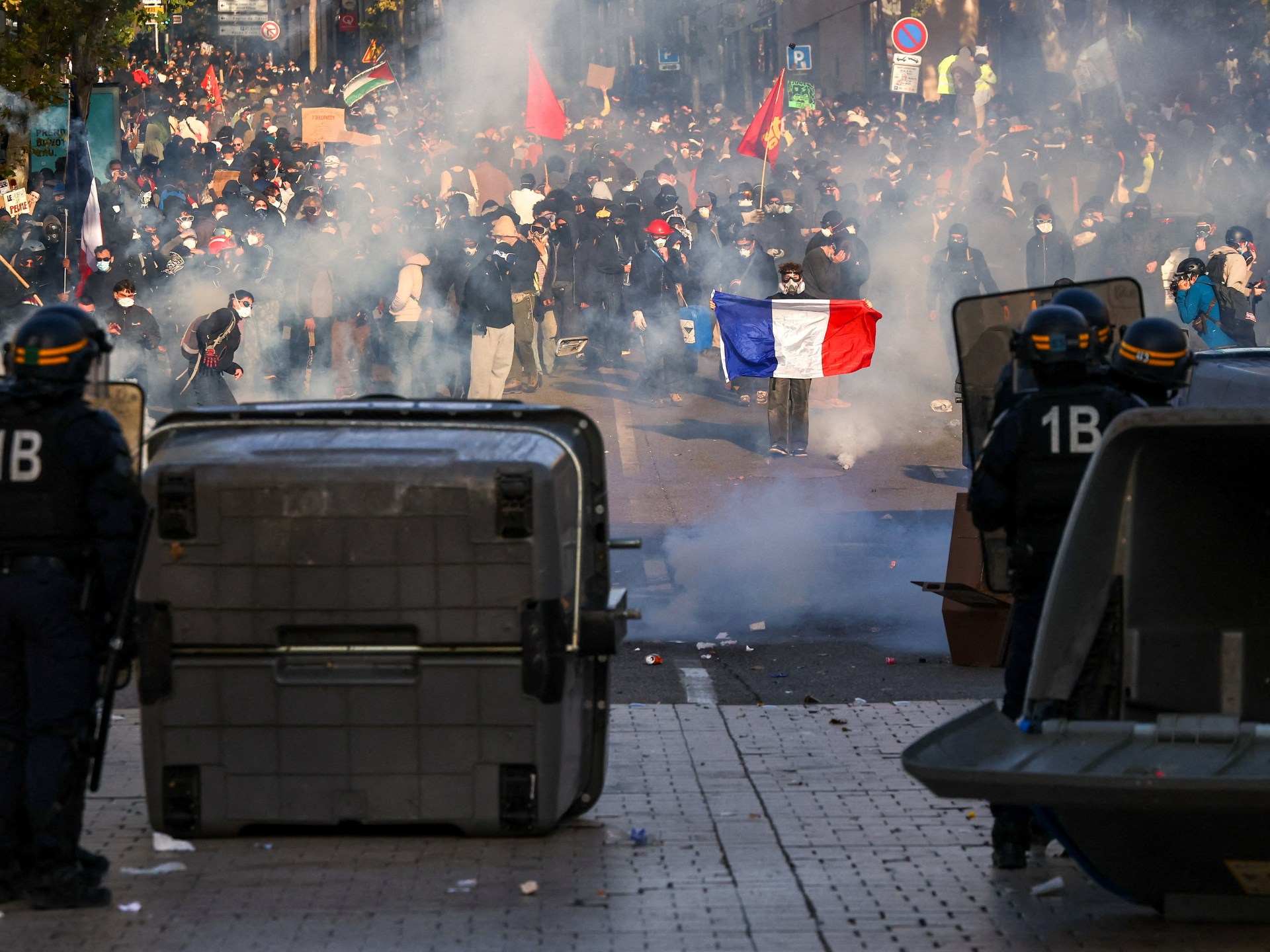
France is currently engulfed in a wave of civil unrest that has captured global attention. While mainstream media narratives often focus on the chaos in the streets, the true story lies in a deep-seated, systemic disillusionment. The French riots narrative, as propagated by the government, serves as a strategic instrument to delegitimize student-led demonstrations and justify a heavy-handed security response. By shifting the focus toward law and order, the administration avoids accountability for the deteriorating living conditions affecting millions.
- The government utilizes the imagery of violence to obscure legitimate student demands.
- Socioeconomic deprivation is the primary driver of the current mobilization.
- The state response has been characterized by mass detention and disproportionate police force.
- Education infrastructure in France is in a state of rapid, systemic decline.
Background and Context
To understand the current crisis, one must look beyond the immediate clashes. Recent protests are not merely spontaneous eruptions of rage, but the culmination of years of simmering discontent. As living costs soar and the wealth gap widens, the average French citizen feels increasingly abandoned. For a closer look at similar global tensions, see how France prepares for day of protest a week after nationwide riots. The current movement began with specific demands from students regarding educational funding, yet the government has effectively reframed the conflict as a struggle between republican order and anarchist destruction.
Root Cause and Deep Dive Analysis
The core of the issue is structural violence. While the media broadcasts footage of fires and shattered glass, it ignores the quiet, agonizing decay of the social contract. Schools in suburbs like Sevran or Pantin represent a microcosm of this neglect. With dilapidated facilities, inadequate sanitation, and significant teacher shortages, the educational environment has become a crucible for frustration. According to official reports on global education benchmarks, the disparity in resource allocation is widening, leaving lower-income areas to face a future with limited mobility. The government has focused on a security-first strategy, deploying 70,000 officers, yet this ignores the 20 percent decline in per-student spending since 2017. By painting the demonstrators as enemies of the state, the administration successfully forces a false binary: support the police or support the rioters.
Strategic Implications and Future Impact
The geopolitical and domestic repercussions of this strategy are profound. By leveraging fear, the incumbent administration seeks to solidify its position as the only bulwark against the far-right, a political maneuver that relies on the polarization of the electorate. This is a precarious game. When voters are forced to choose between the state-sanctioned status quo and the rising tide of xenophobic rhetoric, they are denied a path toward genuine, progressive change. The reliance on this divisive tactic may provide short-term stability for the government, but it risks fracturing the social fabric of the republic in the long term. If the state refuses to listen, these intermittent explosions of anger will likely continue, potentially leading to even more radicalized forms of civic engagement in the future.
Conclusion and What to Watch Next
The French government believes that if it waits long enough, the current mobilization will exhaust itself. However, suppressing symptoms without curing the underlying disease is a policy of attrition that rarely succeeds. As seen in other nations where governments struggle to maintain control, the cycle of unrest will only break when leadership begins to prioritize the material reality of its citizens over its own narrative control. Observers should keep a close watch on how the administration handles upcoming university policy discussions and whether it makes any tangible concessions to the student bodies. If the government continues to rely exclusively on force, it risks turning a temporary crisis into a permanent state of agitation.