
The US is now using the ‘terrorist’ label to interfere in Brazil’s election
The US has just dropped a geopolitical bombshell, labeling Brazil’s formidable criminal organizations, Primeiro Comando da Capital (PCC) and Comando Vermelho (CV), as “terrorist” groups. This move, ostensibly a response to transnational crime, carries profound implications far beyond law enforcement, sparking widespread concern about potential Brazil’s election interference by Washington. Is this truly about security, or is it a calculated political maneuver?
These groups are indeed monstrous. Their violence is vast, their power in Latin America undeniable; they threaten public security across swathes of territory. Yet, here’s the rub: extreme violence alone doesn’t conjure “terrorism.” That term, fiercely debated as it is, typically denotes violence with clear political or ideological aims. PCC and CV? They crave power, yes, but for profit, for criminal dominion, not for reshaping the state. Their politicking is a shield for their enterprises, never their raison d’être.
Applying the “terrorist” label too broadly risks muddying the very nature of genuine security threats. More perilously, it hands states a potent new weapon for political ends. Why, then, would Washington choose this precise moment to act? Neither the PCC nor the CV emerged yesterday; their menacing presence has been a grim reality for decades, well-documented by both Brasília and Washington.
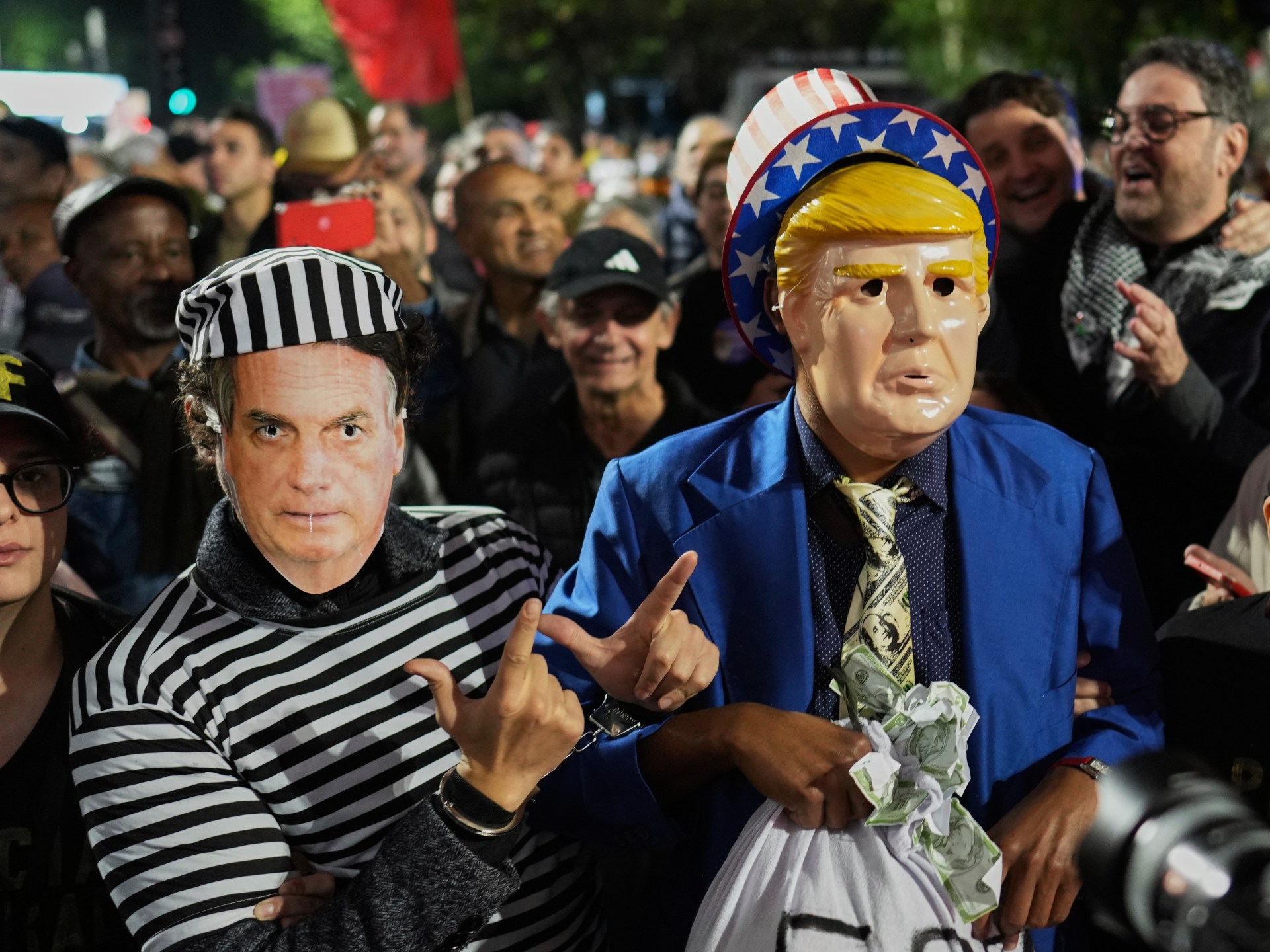
The answer, it appears, lies not in some sudden revelation about these long-established networks, but squarely within the tumultuous landscape of Brazil’s election interference and its internal political battles. The timing is suspiciously intertwined with the Bolsonaro family’s determined efforts to enlist the US in their relentless fight against President Luiz Inácio Lula da Silva’s administration. Remember Jair Bolsonaro’s 27-year sentence for his role in an attempted coup? His sons are now taking the fight stateside.
Political Maneuvering and Brazil’s Election Interference
Flavio Bolsonaro, one of the ex-president’s progeny, has spent months portraying Lula as weak on crime, actively lobbying US officials — specifically the Trump administration — to declare PCC and CV as “terrorist.” His brother, Eduardo, now residing in the US, pushed even further, advocating sanctions against Brazilian Supreme Court justices and tariffs on Brazil itself, a campaign that earned him a four-year prison sentence. Flavio’s machinations also carry immense electoral weight; he’s now Lula’s primary challenger in the upcoming October election. Polls show a significant, though not insurmountable, gap.
This “terrorism” designation functions as a formidable political tool, bolstering the Brazilian far right’s narrative that Lula is either too soft on criminal organizations or perhaps even complicit. The goal isn’t necessarily proof, but rather to cultivate an atmosphere of suspicion, a fertile ground for domestic weaponization and, crucially, to justify amplified US involvement in Brazil. Across Latin America, this strategy echoes the familiar patterns of US foreign policy, where security rhetoric frequently blurs the lines between crime, migration, opposition, and terrorism to delegitimize opponents.
Consider Mexico, where calls to label cartels as “terrorist” often accompany proposals for unilateral military incursions. And after Nicolás Maduro’s abduction by US forces from his Caracas residence, any Latin American leader rightly views such unilateral threats with utmost gravity. The core issue isn’t merely Washington’s definition of a threat; it’s the expansive powers and interventionist forms that definition can unleash. This deeply concerning question now hangs heavily over Brazil.
Washington claims the designation simply adds legal tools. However, these tools bring consequences far beyond mere criminal prosecution. US authorities gain sweeping powers: freezing assets, imposing sanctions, prosecuting individuals accused of supporting these groups. Companies operating in Brazil face new compliance burdens, financial networks increased scrutiny. Even banks with no direct PCC or CV ties could be pressured to prove their systems haven’t inadvertently channeled funds. The complexities of tracing such links through opaque financial structures are nightmarish. This complicates channels of police cooperation, potentially shifting joint investigations into more restrictive national-security realms, hindering rather than helping.
Beyond these immediate impacts, the designation establishes a dangerous precedent for deeper US entanglement in Brazilian security policy. Latin America has seen this tragic drama play out before. Throughout the Cold War, Washington routinely justified interventions by recasting domestic political conflicts as mere facets of a grander ideological struggle against communism. Today, counterterrorism largely replaces anticommunism, although the far-right still resurrects Cold War phantoms. The lexicon shifts, yet the underlying logic remains chillingly consistent.
By unilaterally defining threats and exporting those definitions, Washington carves new avenues for political influence within sovereign nations – nations with a painful history of US intervention. Brazil confronts a grave organized crime problem, demanding robust law enforcement, genuine international cooperation, and systemic institutional reform. But effective combat hinges on truly comprehending these organizations for what they are, not for what political actors desperately wish them to be. PCC and CV are sophisticated criminal enterprises, and recasting them as “terrorist” groups, while offering short-term political gains, gravely risks obscuring the true nature of the threat. Washington, it seems, is transforming a complex domestic security challenge into a fraught geopolitical and ideological battlefield. And history, particularly in Latin America, whispers a stark warning: when Washington starts redefining internal issues through the prism of its own political interests, sovereignty is invariably the first casualty, further entangling Brazil’s election interference in a perilous web.