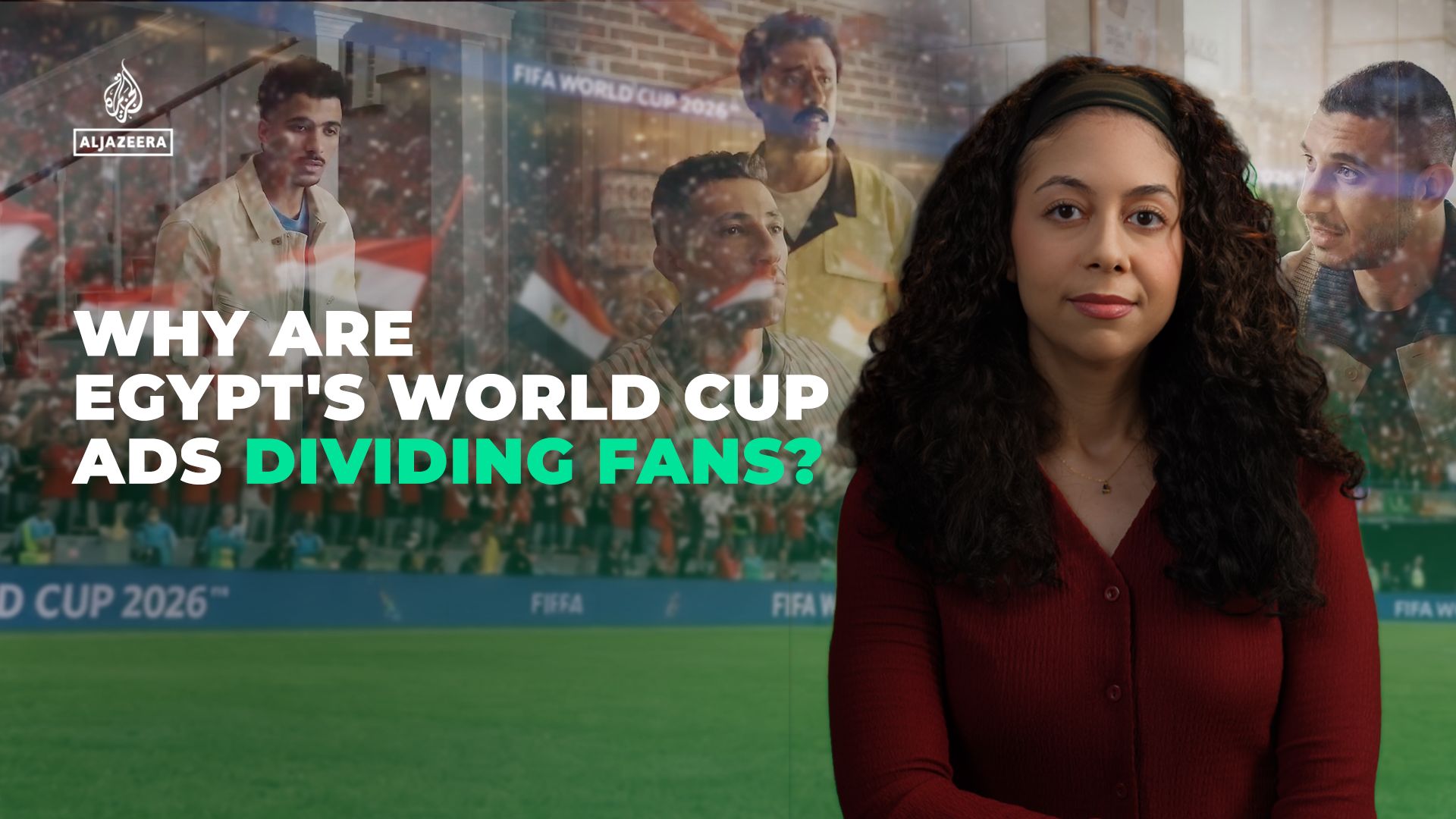
The air crackles with anticipation across Egypt. Billboards and television screens pulsate with a series of audacious commercials proclaiming, “This time, we’re staying longer.” These advertisements, once a playful jab at deeply ingrained pessimism, now resonate profoundly with a nation united by soaring hopes for the Egypt World Cup campaign. For the first time in history, the Pharaohs stand tantalizingly close to the knockout stages, igniting a fervent belief that this tournament truly is different.
The Heavy Burden of History: Egypt’s World Cup Lament
Egypt boasts a remarkable legacy in African football, holding the record for seven Africa Cup of Nations titles. Indeed, football isn’t merely a sport here; it’s woven into the very fabric of national identity, a profound source of pride. However, the global stage of the World Cup has historically offered a starkly different narrative. Despite being the first African and Arab nation to compete in the tournament back in 1934, the Pharaohs have only qualified three times prior to this current spectacle – in 1934, 1990, and 2018. Crucially, they had never secured a single victory. Generations of fans still recall the sting of defeat, like the penalty shootout loss to Senegal that cruelly denied them a spot in Qatar 2022. It’s a past steeped in heartbreak, fostering a cautious expectation among supporters. To understand the significance of Egypt’s current run, one must first grasp the immense weight of this historical performance on the global tournament’s rich history.
A Glimmer of Triumph: This Egypt World Cup Feels Different
Yet, everything has changed. After two exhilarating group stage matches, Egypt proudly perches atop Group G, surpassing formidable opponents like Iran, Belgium, and New Zealand. Their opening 1-1 draw against a top-10 ranked Belgium was a testament to their grit. Following that, a dominant 3-1 victory over New Zealand further solidified their position. Four points – a new national record for the World Cup. Four goals – another unprecedented tally. The team now faces Iran in a decisive final group game; a win or a draw guarantees their passage to the knockout stages. Should they lose, their fate hinges on other results, highlighting the precarious but thrilling position they find themselves in. This isn’t merely about statistics; it’s a seismic shift in the national psyche surrounding the Egypt World Cup campaign.
Adding another layer to this surging optimism is the figure in the dugout: Hossam Hassan. Egypt’s all-time leading scorer, a national icon who famously sent his country to the 1990 World Cup with a crucial goal, now leads the charge as coach. His presence alone carries a powerful resonance for older fans, evoking memories of a time when Egypt genuinely believed in its capacity to make a global impact.
More Than Just Football: The Ads’ Societal Reflection
The captivating commercials, far from mocking the team, cleverly satirize the deeply ingrained low expectations prevalent in Egyptian society. Years of economic turbulence and political uncertainty have, for many, normalized a defensive pessimism – an expectation of failure to shield against further disappointment. This very dynamic has made the campaigns somewhat controversial. Some viewers applauded their brutal honesty, recognizing a shared cultural habit and prompting introspection on why such low expectations have become commonplace. Others worried the ads might inadvertently legitimize or perpetuate these very same sentiments. Regardless, these campaigns underscore how the 2026 World Cup has spectacularly rekindled faith among Egyptian fans. They stand as a testament to the broader hopes, ingrained doubts, and spirited debates now swirling around the Pharaohs’ electrifying journey. The current Egypt World Cup spectacle has transcended sport, becoming a mirror reflecting the nation’s collective aspirations.
About the Author