
Tiger Shroff Firing Case: Accused Practised Shooting Near Mumbai, Weapon Misfired In Hotel Room
Introduction and Key Takeaways
The recent security breach involving Bollywood star Tiger Shroff has sent shockwaves through India’s entertainment capital. The Tiger Shroff firing incident is not merely a localized crime, but part of an escalating trend of organized criminal networks targeting high-profile public figures. As the investigation progresses, authorities have uncovered alarming details about the logistical sophistication of the attackers. This report explores how the accused prepared for the assault, the role of external criminal syndicates, and what this means for celebrity security in the modern era.
- The perpetrators conducted pre-attack trials near Mumbai, specifically testing their firearms to ensure functionality.
- A significant security lapse occurred when the weapon accidentally discharged inside an Andheri hotel room, leaving physical evidence on a bed.
- The operation appears to be linked to the Lawrence Bishnoi gang network, highlighting a disturbing trend of transnational gang activity.
- Authorities have expanded their net, with multiple arrests made across various states, involving a complex chain of weapon procurement and transport.
Background and Context: What Just Happened?
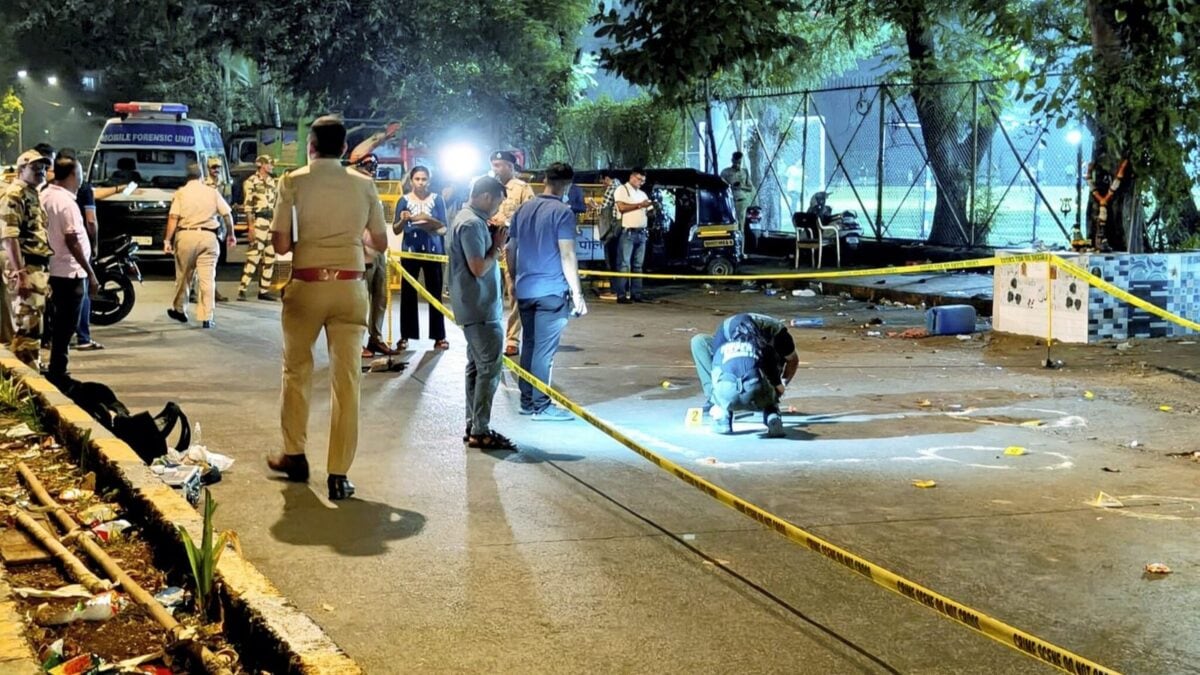
On a Sunday evening, the relative calm of Mumbai was shattered when gunmen targeted the vehicle of actor Tiger Shroff as he exited a popular football club in Juhu. While the actor remained physically unhurt, the attack resulted in injuries to his driver and a bystander. The immediate aftermath led to a frantic search for the perpetrators, eventually shifting the narrative from a simple road rage or street crime to a premeditated act of terror by organized crime syndicates. This criminal activity often relies on sleeper networks, which this case has now exposed to the public eye.
Root Cause and Deep Dive Analysis
The Tiger Shroff firing investigation has revealed that the culprits were far from amateur. Interrogation reports suggest that the shooters treated the assignment with clinical, military-style preparation. By scouting locations near Mumbai for live-fire practice, they ensured their weapons were operational before confronting their target. The accidental discharge in an Andheri hotel room confirms a level of recklessness, but also provides critical forensic data that investigators are now using to reconstruct the timeline.
The chain of command seems to trace back to Anil Pandit, a US-based associate of a major gang. The use of female couriers to transport ammunition and weapons via train demonstrates a calculated strategy to evade the scrutiny of the police, who traditionally focus on male suspects. This shift in operational tactics is a significant concern for intelligence agencies operating within India.
Strategic Implications and Future Impact
The Tiger Shroff firing incident signals a dangerous shift in the vulnerability of Bollywood icons. When gangs leverage international figures to direct local hits, the response required by law enforcement must evolve. We are seeing a blurring of lines between traditional extortion and political or identity-based intimidation. The security of elite individuals is no longer just about hiring personal bodyguards, but about managing the complex, often global, digital and physical footprints of their movements. As social media continues to play a role in identifying targets, the potential for digital reconnaissance by criminal groups remains a persistent threat.
Conclusion and What to Watch Next
As the Mumbai Police continue to process the evidence and interrogate the growing list of suspects, public attention remains fixed on whether the primary orchestrators can be brought to justice. The incident has already sparked a massive crackdown on illicit weapon networks. Moving forward, observers should watch how the legal system handles the interstate implications of these arrests. The resilience of these criminal syndicates in the face of increased pressure will determine the long-term safety of public figures in the region.