President Donald Trump has confirmed his personal intervention, explicitly asking FIFA to conduct a Balogun ban review after the US striker’s controversial red card at the World Cup. This unprecedented move, aimed at overturning the one-match suspension for Folarin Balogun, has ignited a fierce debate across the global football community.
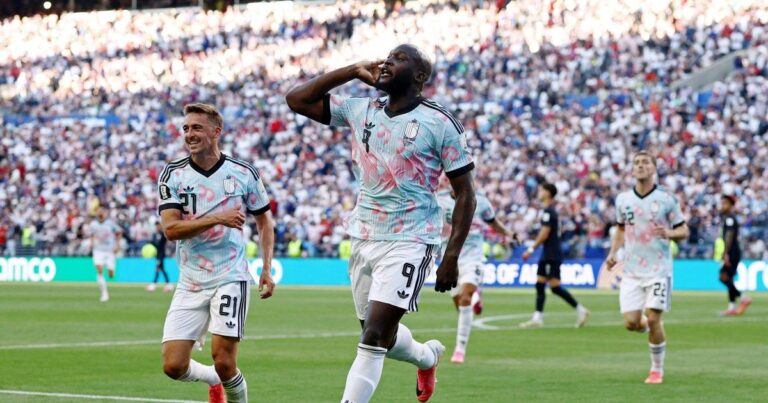
Balogun, aged 25, was poised to miss the crucial last-16 tie against Belgium. He had received a straight red card for a foul on Bosnia-Herzegovina’s Tarik Muharemovic in the preceding round. Yet, in a shock decision that has sent tremors through the sport, FIFA opted to suspend the automatic one-match ban for a full twelve months. This extraordinary reprieve now clears the way for Balogun, a player who has already netted three goals in this summer’s tournament, to be selected for the upcoming match in Seattle.
Widespread criticism immediately followed. UEFA, European football’s governing body, voiced profound concerns. The Royal Belgian Football Association (RBFA) declared itself “astonished” by the ruling, formally contesting Balogun’s eligibility even after its initial appeal was dismissed. England manager Thomas Tuchel also weighed in, highlighting the dangerous precedent this decision sets for fairness and integrity.
The Balogun Ban Review: A Sporting Integrity Debate
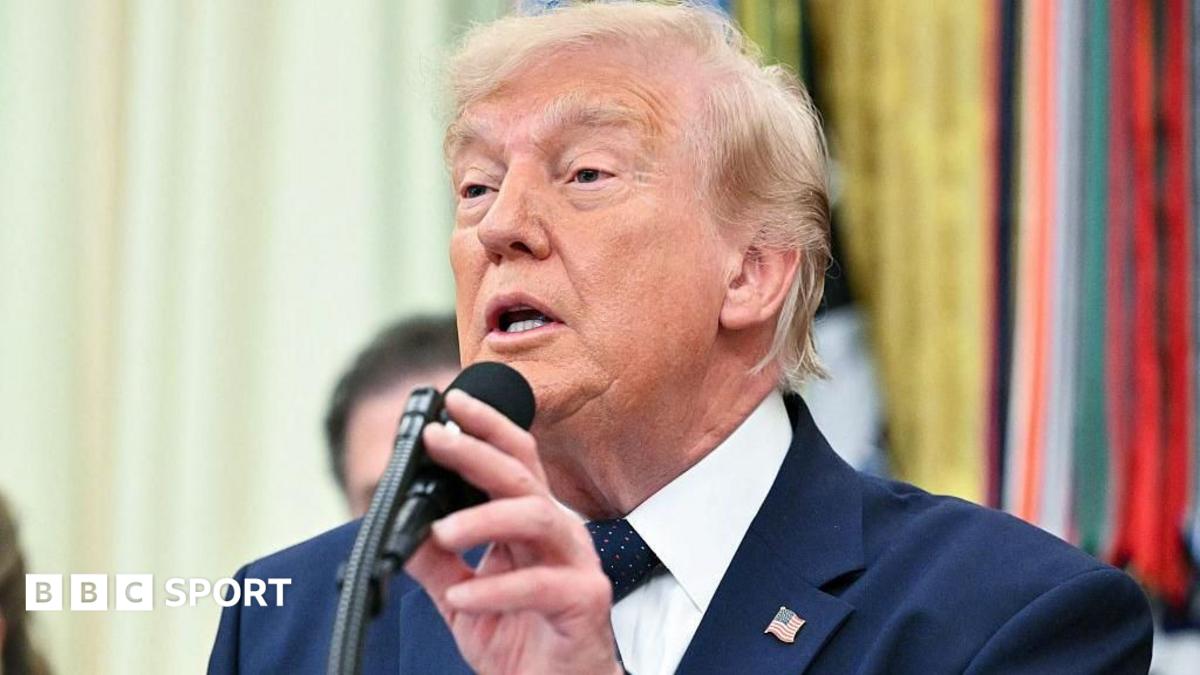
Speaking from the White House, President Trump defended his actions. He asserted that FIFA had “made the right decision,” arguing that enforcing the ban would have cast a “big stain” on the entire tournament. Trump clarified he had spoken directly with FIFA president Gianni Infantino, but maintained his involvement was limited to requesting a review, not dictating the outcome. He stated, “I didn’t think it was a foul.” The decision to execute a Balogun ban review has ignited concerns about outside influence.
However, the ripples of discontent quickly spread. UEFA strongly suggested that the integrity of football was now at stake. Furthermore, Trump did not shy away from directly criticizing referee Raphael Claus, labelling his decision to send off Balogun as “horrible” and calling the Brazilian official “a little bit suspect.” The Brazilian Football Confederation (CBF) swiftly jumped to Claus’ defence, emphatically stating his professional record was impeccable and above reproach.
FIFA, the global governing body for football, found itself at the centre of this whirlwind. President Infantino, in a statement on X, confirmed the call from Trump. He reiterated that an “ongoing legal process” involving FIFA’s independent judicial bodies was in motion, and the case would be decided by competent, autonomous bodies. The FIFA appeal committee later ruled that Belgium, not being involved in the original incident, lacked standing to appeal the decision, thereby clearing Balogun to play.
While Trump insists he merely requested a review, not a dictate, the very notion of a head of state influencing a disciplinary outcome in football, particularly concerning a Balogun ban review, raises profound questions. The RBFA continues to demand grounds for the rejection of their appeal, citing a “breach” of FIFA regulations. This saga continues to unfold, leaving many to wonder about the future of sporting impartiality.
About the Author