
UK sanctions Sudanese military leaders implicated in El Fasher ‘campaign of rape’
Introduction & Key Takeaways
One year after the catastrophic fall of El Fasher, the British government has introduced a new round of targeted sanctions against military leaders involved in Sudan’s devastating conflict. This diplomatic maneuver highlights a persistent, global struggle to curb atrocities and address the systemic use of sexual violence as a weapon of war. The UK sanctions, focusing on senior commanders, arrive at a time when the region faces compounding crises, including humanitarian collapse and potential Africa food security threats caused by broader geopolitical instability. Key takeaways include:
- Fifteen commanders from both the Rapid Support Forces (RSF) and the Sudanese Armed Forces (SAF) have been hit with travel bans and asset freezes.
- The sanctions specifically address a horrific campaign of sexual violence and the orchestration of mass civilian slaughter during the siege of El Fasher.
- Current estimates suggest that 14 million people have been displaced, and the conflict is increasingly evolving into a dangerous, technology-driven drone war.
Background & Context (What Just Happened?)
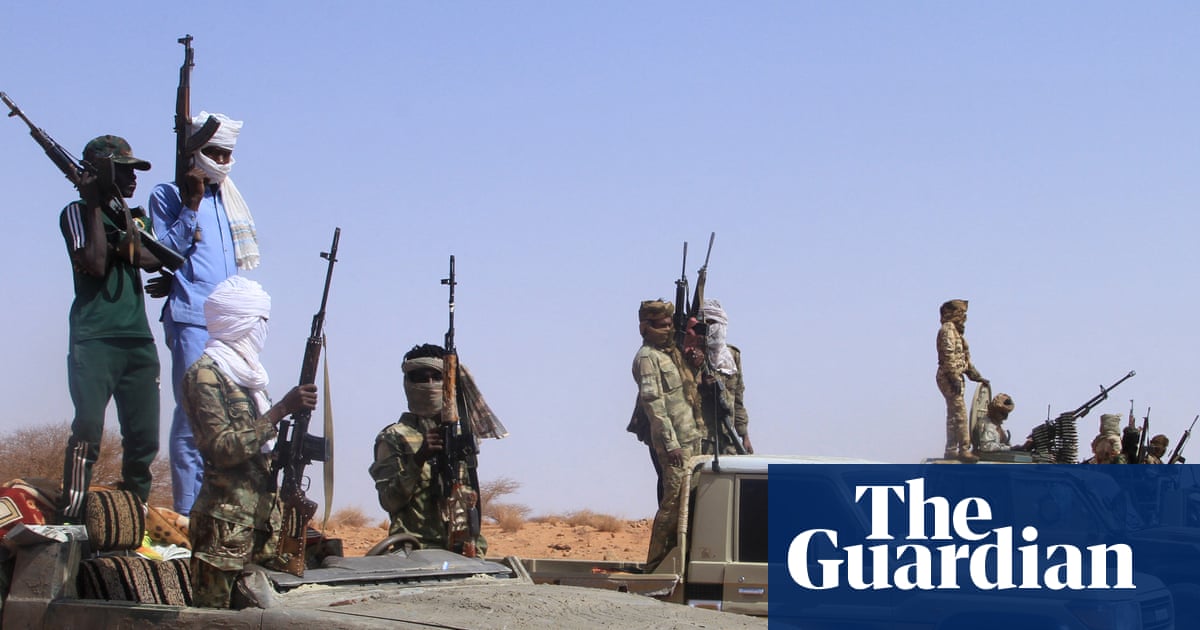
The city of El Fasher, once a vibrant hub with over one million residents, has been hollowed out by eighteen months of brutal siege. The fall of the city marked a dark milestone in the conflict, resulting in one of the largest and most rapid massacres of civilians seen in over three decades. Witnesses report that after the RSF took control, thousands were killed, and nearly 40,000 remain unaccounted for, leaving the city with a fractured population of fewer than 70,000 survivors who now endure constant fear, reports Amnesty International regarding ongoing human rights abuses.
Root Cause & Deep Dive Analysis (Why Did This Happen?)
The situation in Sudan is not merely an internal power struggle; it is a complex entanglement of regional interests and power vacuums. The RSF, accused of orchestrating the siege, has faced persistent allegations regarding external backing, including claims of support from the United Arab Emirates. While the UAE continues to deny such involvement, the sheer scale of the weaponry and resources utilized by paramilitary groups suggests significant outside influence. Investigations have revealed that internal warnings from Western intelligence agencies were largely ignored in the months leading up to the final assault, a failure that arguably cost thousands of lives. The use of sexual violence is not incidental but, according to international observers, a tactical choice designed to instill terror and destabilize communities permanently.
Strategic Implications & Future Impact
The imposition of these sanctions by the UK serves as a formal acknowledgement of the atrocities, yet it leaves open critical questions about the efficacy of such measures in a volatile landscape. By targeting individual commanders like Hussein Abu Jalak and Al-Nour Ahmed Adam, the UK hopes to build a framework for eventual legal accountability. However, the conflict is shifting rapidly. The emergence of a localized drone war has transformed the operational environment, allowing forces to execute precise strikes on infrastructure, such as power stations in eastern Sudan, without the need for traditional front lines. This evolution poses a significant risk to the remaining civilian infrastructure, which is already crumbling under the weight of war and displacement.
Conclusion & What to Watch Next
As the international community reflects on the anniversary of the El Fasher tragedy, the path forward remains murky. The Coalition on Atrocity Prevention has reaffirmed its commitment to pursuing justice for victims, yet the reality on the ground is grim. Observers should monitor whether these UK sanctions prompt a shift in behavior among other regional players or if they simply force the conflict further into the shadows of unconventional warfare. The global community must remain vigilant, as the ripple effects of this war continue to destabilize wider regional security, threatening the stability of neighboring nations and complicating humanitarian relief efforts across the continent.