
US Never Excuses Hate Crimes: Marco Rubio On ‘Disturbing’ Plot To Attack Hindu Temple In Illinois
Introduction & Key Takeaways
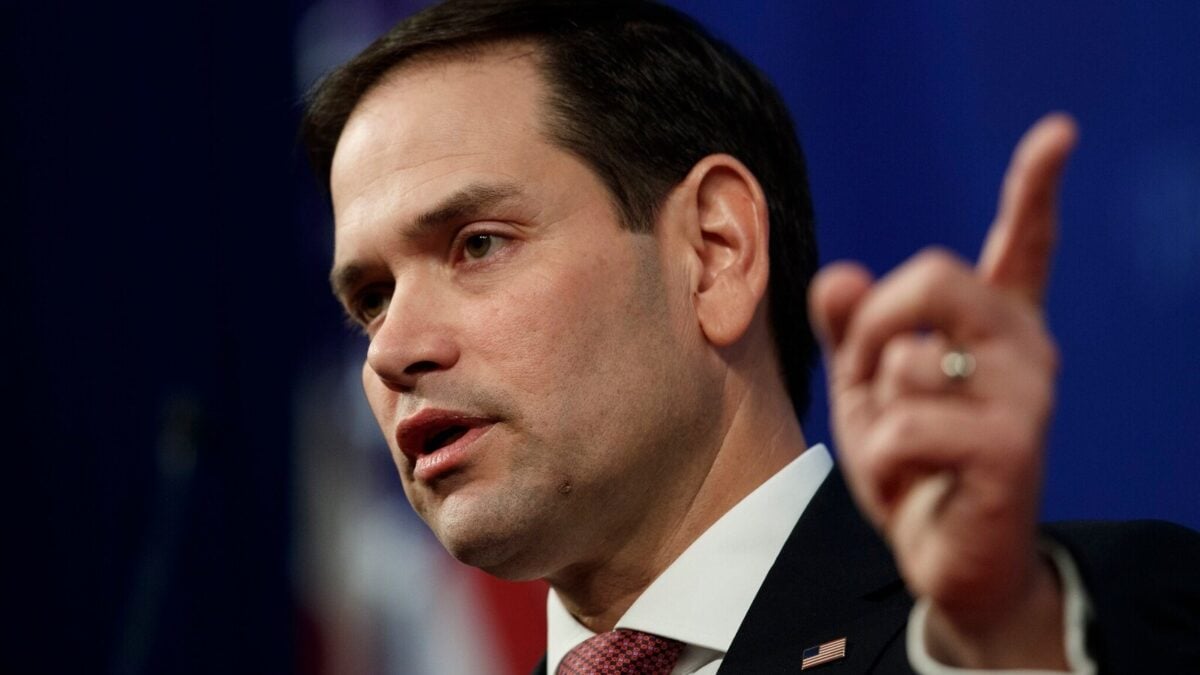
United States Secretary of State Marco Rubio has formally addressed the disturbing recent plot to attack a Hindu temple in Illinois. In an exclusive interview with Network18, Rubio emphasized that the American government maintains a stance of zero tolerance toward hate crimes. This incident has reignited national discussions regarding social cohesion and the protection of minority religious institutions.
- Marco Rubio reaffirmed that the United States does not excuse hate-motivated violence.
- The Secretary acknowledged the presence of ignorance in society but highlighted that it does not reflect the national character.
- The government remains committed to ensuring that authorities never ignore or overlook such threats.
- Public resilience, defined by community support, serves as the primary defense against localized intolerance.
Background & Context: A Targeted Threat
The attempted plot against the Illinois-based Hindu temple represents a concerning trend in domestic security. Such events often draw global attention, as geopolitical tensions and domestic polarization frequently bleed into the safety of minority communities. Marco Rubio framed this event as a symptom of a broader, global human challenge where pockets of hatred exist within even the most diverse societies. By speaking openly, the Secretary of State aims to reassure both domestic populations and international partners that the rule of law remains paramount.
Root Cause & Deep Dive Analysis
Why do these incidents continue to occur in modern, pluralistic societies? Experts point to the digital amplification of extremist rhetoric and the degradation of civil discourse. During the interview, Rubio noted that while no society is immune to the actions of hateful individuals, the United States possesses a unique capacity for collective condemnation. This reaction was seen in historical moments, such as the support directed toward the Sikh community after the Wisconsin tragedy, as noted in previous legal and social reports. The Secretary of State believes that when authority figures and the public stand in unison, they isolate the perpetrators of these acts rather than emboldening them.
Strategic Implications & Future Impact
The Department of State plays a pivotal role in maintaining global perceptions of American safety. When a high-level official like Marco Rubio addresses a domestic security threat against a religious minority, it sends a clear diplomatic signal. The strategic implication is threefold. First, it reassures international allies, particularly India, that the United States values its bilateral relationships and the safety of its citizens of all backgrounds. Second, it serves as a domestic policy anchor, reaffirming that anti-Indian sentiment or hate crimes against any faith will not be normalized. Finally, it signals to federal law enforcement that tracking such radicalized elements is a national priority that requires sustained funding and intelligence cooperation.
Conclusion & What to Watch Next
Looking ahead, the focus will remain on the prosecution of those involved in the Illinois plot. Beyond the courtroom, the administration will likely continue to face pressure to demonstrate that its rhetoric is backed by robust protections for places of worship. As the nation navigates these internal challenges, the commitment of leaders like Marco Rubio to maintain moral clarity will be tested. Watch for further policy announcements regarding community safety grants and enhanced coordination between state and federal agencies to prevent future radicalization. The ultimate goal is to move from reactive mitigation to proactive prevention, ensuring that every citizen feels protected regardless of their religious affiliation.